🐱 NEW!

Introducing the Cat Food Advisor!

Independent, unbiased reviews without influence from pet food companies

Recent Replies

Search Results for 'low+calcium+dog+food'

Viewing 50 results - 301 through 350 (of 444 total)
  • Author
    Search Results
  • #43174

    In reply to: Age/Kibble

    Tina
    Member

    Nutritional Adequacy Statement or “AAFCO Statement”

    AAFCO is an organization that sets the nutritional standards for pet foods sold in the United States.
    This legally required statement verifies the testing method used to determine nutritional adequacy.
    The statement indicates whether the food provides complete and balanced nutrition for a specific lifestage of your dog (growth, adult, pregnant/nursing), or if the product is nutritionally adequate for all lifestages.
    Beware if the package states the food supports “all lifestages.” The product likely contains excessive levels of some nutrients necessary for the most demanding lifestage, which is growth. For example, it might contain higher levels of protein and calcium for puppies, but those levels are inappropriate for an adult or senior dog.

    The Best Life for Man’s Best Friend
    Adult dog with puppy

    Whether you have a new puppy or the dog you’ve loved for years, caring for your dog properly ensures many happy years together. As you care for your dog, even the little things – perfectly selected food, exercise and love – can make a big difference. We want to be a part of your dog’s happy, healthy life, so we’re here to share information on proper nutrition, fitness and special needs.

    Knowing the age of your dog is important in choosing their nutrition. If you have a dog and aren’t sure of his exact age, your veterinarian can help estimate that for you.

    Adult dogs include dogs of the following ages:

    1 to 7 years old for small and medium breeds
    1 to 5 years old for large breeds and
    1 to 4 years old for giant breeds
    As you care for your dog, it’s important to remember that his needs change as he grows. Caring for your dog according to his lifestage means you’re giving him the best care.

    #43039
    Tina
    Member

    A growing puppy needs precise levels of essential nutrients to stay her healthiest. To meet the growth and development requirements of puppies, their bodies require a puppy food with increased amounts of energy, protein and calcium compared to adult dogs’ needs.

    Association of Animal Feed Control Officials (AAFCO) statement on a dog food label verifies that the food provides complete and balanced nutrition for either:

    puppies or kittens
    pregnant or nursing pets
    adult pets
    all lifestages

    Key points
    If you see the words ” … for all lifestages” on a package, it means it’s a puppy or kitten food.

    The early years

    In the early stages of life, young pets need high levels of vitamins, minerals and other nutrients to ensure proper growth.

    Therefore, a pet food that claims to be “complete and balanced for all lifestages” must contain nutrient levels that are suitable for growth. Are the nutrient levels in foods for growth too high for older pets? We believe they are.

    Too high, too low

    The “one size fits all” pet food philosophy may sound attractive, but it goes against everything Hill’s has learned in more than 60 years of clinical nutrition research. A food that’s appropriate for growth will contain levels of fat, sodium, protein and other nutrients that are too high for the older pet. Likewise, a food that contains reduced levels of nutrients for older pets may be inadequate for growing puppies and kittens.

    All things to all pets

    Today, many pet food manufacturers offer lifestage foods for pets. They often tout the benefits of their foods for puppies and kittens, adults or seniors and how these foods are perfectly balanced for each of these lifestages.

    However, many of these same companies also offer brands of pet food that carry the claim “… complete and balanced nutrition for all lifestages”!

    Are the companies that manufacture these products truly committed to the lifestage concept? The answer is obvious.

    #42904
    Hound Dog Mom
    Participant

    Hi Nat R –

    Just so you know, no studies exist demonstrating that protein has negative effects on giant breed puppies or adults – anything you read about this is myth and nothing more. There is, however, a lot of research proving the protein is not harmful.

    Feeding Large Breed Puppies by Susan Winn DVM (Featured in IVC Journal)

    “A common misconception found in many internet articles is the claim that dietary protein should be controlled in large breed puppies to prevent skeletal abnormalities. This theory was disproved some years ago (Nap, 1991). Most commercial puppy foods contain more protein than is thought necessary, but studies have shown that protein contents of 23% to 31% (dry matter) do not have a deleterious effect on growth.”

    “Decades ago, we considered some adult diets appropriate for puppies. However, a calorie-calcium mismatch is probably common. Adult maintenance foods are often less calorically dense than puppy foods. Additionally, these diets may have calcium and phosphorus levels that are higher in relation to energy density than a large breed puppy diet. If a rapidly growing puppy has to eat more food to obtain enough calories for growth, a calcium overdose is possible.”

    “Most nutritionists recommend that large, fast growing puppies eat diets containing AT LEAST 30% protein and 9% fat (dry matter basis).”

    The Effect of Breed Size on Nutritional Considerations for Growing Puppies

    “Excessive intake of dietary protein has been suggested as a contributing factor to skeletal developmental problems, such as osteochondrosis, in large breed dogs. This hypothesis was tested by feeding Great Dane puppies either 15%, 23% or 32% dietary protein (13%, 21% or 29% of energy). While the low protein diet reduced growth, no detrimental effects from the higher protein diets were observed.”

    This is a FANTASTIC article (one of my favorites) on large breed nutrition written by Susan Lauten PhD – I would HIGHLY recommend reading it in its entirety, however here are some of the highlights:

    Nutritional Risks to Large-Breed Dogs: From Weaning to the Geriatric Years

    “Currently, no evidence exists to suggest that high-protein intake contributes to the development of orthopedic disease in growing large-breed puppies. Previous studies suggesting a risk for high protein and DOD were confounded by higher energy intake in high-protein foods. In general, large-breed puppy diets are formulated to contain approximately 30% protein (DMB) similar to other puppy foods.”

    “…feeding adult foods to large-breed puppies before 1 year of age is not recommended because the calcium-to-energy ratio is generally lower in adult foods compared with large-breed puppy food. Feeding an adult food can actually result in greater intake of calcium than feeding puppy foods. Because the puppy must consume a larger portion of adult food to meet energy needs for growth, total calcium intake may actually be higher than with a properly formulated large-breed puppy formula.”

    Here is the link to a study done on Great Dane pups that was featured in the Journal of Nutrition. The study concluded: “the differences in protein intake per se did not affect the occurrence of disturbed skeletal development in young Great Danes.”

    Do You Know What to Feed Your Large Breed Dog? By Karen Becker DVM

    “Studies have repeatedly concluded dietary protein levels have no effect on the development of skeletal problems in large and giant breed dogs. But still today, many breeders of large dogs, owners and even some veterinarians will tell you protein is the problem, even though there is no evidence to prove it. Protein excess is not the problem. In fact, it’s often a dietary protein deficiency that contributes to skeletal problems.”

    You may find this of interest as well. Here Dr. Becker interviews a Newfie breeder (not Great Danes I know – however Newfies are generally considered to be a giant breed). This breeder feeds his dogs HIGH protein raw and his dogs don’t experience many of the health problems typical to giant breed dogs and his dogs live much longer than most giant breeds (he had a dog live to be 17 – the typical life span of a giant breed is about 8).

    Sorry to bombard you with reading, but large breed nutrition is one of my favorite subjects and I like to make sure people have the facts. šŸ™‚

    • This reply was modified 11 years, 11 months ago by Hound Dog Mom.
    • This reply was modified 11 years, 11 months ago by Hound Dog Mom.
    #41342

    In reply to: Science Diet

    LexiDog
    Member

    W/D is a low fat glucose management dog food by SD that is supposed to be for diabetic dogs. The ingredients are: Whole Grain Corn, Powdered Cellulose, Corn Gluten Meal, Chicken Liver Flavor, Chicken By-Product Meal, Soybean Mill Run, Chicken, Dried Beet Pulp, Soybean Oil, Lactic Acid, Caramel color, Calcium Sulfate, Potassium Chloride, Flaxseed, L-Lysine, Choline Chloride, vitamins (Vitamin E Supplement, L-Ascorbyl-2-Polyphosphate (source of vitamin C) , Niacin Supplement, Thiamine Mononitrate, Vitamin A Supplement, Calcium Pantothenate, Biotin, Vitamin B12 Supplement, Pyridoxine Hydrochloride, Riboflavin Supplement, Folic Acid, Vitamin D3 Supplement), Calcium Carbonate, Taurine, minerals (Ferrous Sulfate, Zinc Oxide, Copper Sulfate, Manganous Oxide, Calcium Iodate, Sodium Selenite), L-Tryptophan, L-Carnitine, Iodized Salt, Mixed Tocopherols for freshness, L-Threonine, Beta-Carotene, Phosphoric Acid, Natural Flavors.

    #40767
    lmnordrum
    Participant

    My 6 month old Giant Schnauzer, currently 47 pounds, seems to be having some ‘gastric distress’ with mucus-y diarrhea.

    She’s eating Wellness Core Puppy (on the list) and has done well with it and I read every post here before I selected it. The dog developed the diarrhea about 12 days ago and we’ve been to the vet. The dog has no symptoms on chicken and rice, but I need a kibble. I’m thinking that perhaps the protein and fat may be too high but I’m asking for a screening for giardia, coccidia and parasites. Came home with flagyl, pepcid, old fashioned Kaopectate (which is not the same stuff sold for humans any longer) and a new probiotic. Is there a food presently on HDMs list that is lower in fat and protein? I know I may have to go to a food with grain but would rather not feed the dog corn or wheat. The poor thing is really hungry on the chicken and rice and broth diet and can’t stay on it forever because there’s really no nutrition for a growing pup. I believe I still need to watch the calcium levels as she’s six months, but I also have to get her fed too.

    I followed poor DukeTheBoxer’s situation and really hope to not go down that road with my dog. (and I sure hope Duke is doing better.)

    Thanks.

    #40090
    Caroline M
    Member

    I have been home cooking for my dogs for a little over a year now and they are doing wonderfully on it. It is as economical as buying a good quality kibble if you look for sales. They have beautiful coats, are healthy, and the chronic itching one of my dogs used to have has now completely disappeared. I follow Dr. Pritcairn’s recipes and recipes on dogaware.com, and have been adding my own calcium in the form of ground eggshells.

    However, one of my dogs had calcium oxalate in her urine at her annual check-up. Not crystals, just the presence of calcium oxalate. She has no symptoms. I am now worried that the ratio of calcium/phosphorus may be contributing and ordered a supplement from Just Food for Dogs to add that is designed for people who home cook. It was recommended in a recent issue of The Whole Dog Journal. But…the company does not supply information on the ratios of calcium and phosphorus, and there is not even an ingredient list. It just says it’s proprietary. That worries me and I was wondering if anyone has had any experience with this company? They are not reviewed on Dogfoodadvisor.

    #39992

    In reply to: Greenies

    Suburban Gal
    Member

    As for the ingredients of Greenies being bad for dogs, just took at the ingredients for their competitors:

    Nutri Dent dental chews:
    Wheat Starch, Glycerin, Powdered Cellulose, Lecithin, Natural Flavor, Chlorophyll, Parsley & Soy Flour. Vitamins: Thiamin, Riboflavin, Niacin, Pantothenic Acid, Vitamin B-6, Folic Acid, Vitamin A. Vitamin E, Biotin, Choline, Inositol & PABA. Minerals: Calcium Carbonate, Ferrous Carbonate, Magnesium Oxide, Dicalcium Phosphate, Potassium Chloride, Sodium Selenite, Calcium Chloride, Zinc Oxide, Copper Oxide, Manganese Oxide & Sodium Molybdate. Omega Fatty Acids: Omega-3 Fatty Acid & Omega-6 Fatty Acid.

    Milk Bone brushing chews:
    Rice, Modified Food Starch, Chicken By-Product Meal, Powdered Cellulose, Water, Propylene Glycol, Sodium Tripolyphosphate, Bone Phosphate, Calcium Sulfate, Gelatin, Animal Digest, Phosphoric Acid, Potassium Sorbate (Used As A Preservative), Smoke Flavor, Titanium Dioxide (Color), Minerals (Ferrous Sulfate, Zinc Oxide, Manganous Oxide, Copper Sulfate, Calcium Iodate, Sodium Selenite), Vitamins (Vitamin E Supplement, Vitamin A Supplement, Niacin Supplement, D-Calcium Pantothenate, Riboflavin Supplement, Pyridoxine Hydrochloride, Thiamine Mononitrate, Vitamin D3 Supplement, Folic Acid, Biotin, Vitamin B12 Supplement), Yellow 6, Yellow 5, BHA (Used As A Preservative).

    If you look closely enough, some of the same ingredients in Greenies are ALSO used in that of their competitor’s dental chews.

    I took the liberty of checking the ingredients of Zuke’s Z-Bones. While the ingredients looked a lot better than the ingredients in Greenies, Nutri Dent and the like, I still think something like Zinc Propionate can’t be very good. Heck, I don’t even know what that is! (Would someone care to enlighten me?)

    To be quite honest, it’s better to give your dog something than nothing at all and, as expensive as dental chews are, at least someone is making a good effort even if it’s not as good as Zuke’s Z-Bones.

    I can’t wait for Zuke’s Z-Bones to receive the VOHCĀ® Seal of Acceptance. IMHO, that means a little more to me as a pet owner.

    #38436
    Dave H
    Member

    Hi and thanks in advance to those who help.
    A couple of weeks ago I got a Jack Russell girl approx 2 to 3 years old from a rescue home, she is not yet spayed but wiil be soon. She weighed 6 kg and was very boney. I fed her for a week on commercial dog food but then read a horriffic article about what goes in it and the adverse effect it can have on their health so I decided to cook her fresh food everyday. She is now 7kg and looks so much better so I guess this is about the weight she needs to remain. I walk her 3 to 4 times a day and she does quite a bit of fast running during this time, I would say she does about 3 or 4 miles a day. I would like to know if the following daily feed is ok. It fills a bowl 6inches in diameter by an inch in depth which she has 2 of each day. 500g lean meat or fish blended with something like carrot, swede, broccolli and then either brown rice or potato with skin on I add 200mg calcium and a teaspoon of olive oil, she also has some lactose free milk and of course freshwater.
    She is now very alert and has boundless energy !
    Many thanks , Dave

    #37367
    Shawna
    Member

    Hi Cathy,

    Sorry for the delay… The absolute WORST thing you can feed sprite bar none is any form of kibble. Kibble is hard to digest and because of the lower quality of the protein it creates more BUN when compared to an equal amount of digested protein from another source.

    AND, your vet is incorrect if he/she told you to feed low protein in the early stages of the disease unless there is significant protein in the urine. Testing has confirmed that lowering protein too low can actually increase all cause mortality. They have also proven that protein does not damage the kidneys. Because of this you don’t need to feed “low” protein until Sprite has advanced symptoms. Limiting protein even at later stages does not help the kidneys but it does help with symptoms which are caused by the increase of BUN etc in the blood. Limiting protein is not helpful however in the later stages of the disease limiting phosphorus is highly advisable. Phosphorus builds in the blood and CAN damage the kidneys. In the earlier stages of the disease phosphorus is often not detrimental.

    For the record, my pup has had kd since birth and has been on HIGH protein raw (45 to 54% on a dry matter basis) since coming to me at nine weeks of age. She will be eight years old the end of June this year and is still doing well. The only time she shows symptoms such as vomiting is if I feed her kibble. The Honest Kitchen is a good food but I’d go with Love or Zeal and add extra good quality fats like coconut oil to increase calories and make her feel more satiated without extra protein/phosphorus. Canned (or better yet raw) tripe is another good option and can be fed with the HK or as a separate meal (pending you get one that is complete and balanced).

    As noted, increasing fat keeps the calories up while lowering phosphorus per calorie consumed. This is very important in the later stages.

    Other things to consider:

    I HIGHLY recommend a product by Standard Process called Canine Renal Support. Audrey has been on it since I learned of her diagnosis. It helps to keep inflammation at bay.

    Give Sprite access to all the water she wants but do make sure it is pure — reverse osmosis as an example. Adding toxins in via the water source only increases symptoms. Science has shown benefit to giving waters higher in calcium with low sodium. They didn’t identify actual names but Evian seems to fit the bill.

    I HIGHLY recommend giving a HIGH quality probiotic and a specific type of prebiotic (known as nitrogen traps). The combination of these two products helps clear BUN etc from the blood sparing the kidneys from having to do the work. It also allows for even higher amounts of protein. I use Garden of Life’s Primal Defense (human product) and Fiber35 Sprinkle Fiber (human product).

    There are other supplements that are known to be beneficial such as food grade activated charcoal, spirulina, burdock root, organic turmeric and more. I mix a combination of these and others with a digestive enzyme and some of the Sprinkle Fiber and add a bit to every meal.

    The products you use in your home can be problematic too. When Audrey was diagnosed I looked at the CDC and material safety data sheets for product ingredients I used in my home. Many (if not most) of them were not kidney friendly so I got rid of them and use only ones that are not damaging to kidneys. Example — clorox has a chemical that can damage kidneys in animals. From the material safety data sheet “2-Butoxyethanol has been shown to cause red blood cell hemolysis in laboratory animals and secondary injury to the kidney and liver. However, humans appear to be resistant to this effect” Clorox is pretty toxic anyway so I don’t even have it in the house but if you choose to use it, might be wise not to use it to clean the floors as it can be absorbed through the skin. http://www.thecloroxcompany.com/downloads/msds/cloroxprofessionalproducts/409nqf.pdf

    I know I’m forgetting some things… šŸ™ Let me know if you have any questions. Also Mary Straus’ website discusses the data I’ve mentioned above plus much much more. Very valuable source of information. She lists kibbles but she fed her own KD dog raw and believes in raw. You don’t have to feed raw but I HIGHLY HIGHLY HIGHLY suggest avoiding going back to any kibble. http://www.dogaware.com/health/kidney.html

    You and Sprite are in my prayers!!!!

    • This reply was modified 12 years, 1 month ago by Shawna.
    • This reply was modified 12 years, 1 month ago by Shawna.
    #37067

    MastiffLove’s Questions transferred from /forums/topic/large-and-giant-breed-puppy-nutrition/page/66/

    Hi Sharon! I will be looking into the facebook group after we get our puppy, Zeus is his name :), cause our teens don’t know about it yet and adding that group to our facebook will certainly give them a hint lolll
    Someone wrote (i think it was you!?): ā€œLast week I found a farm that grass feeds, no GMOs, but they do feed grains in the three weeks prior to slaughter (I’m still checking to see if that is standard practice and if not, why it’s done and whether it effects the quality of the meat (other than the tripe) – more questions for my conference list)ā€
    What were you told?

    We will buy in bulk, meaning half a cow, lots of chickens (loose fat removed), half a pig (less pig since it has more fat)(will add organs to those) for a start and later on i will add more types of meats as i find farmers or producers around my area. I will make this food for my 8weeks old English Mastiff puppy BUT my wife’s parents are getting a Colley puppy in July and later on during the summer a German Sheppard puppy, also a friend of ours is researching for a good breeder of Great Danes. That being said we would be 4 different dogs on the same recipe.
    1- Can i get Green Tripe from a meat manufacture(not sure if thats how its called)?
    2- Can i grind necks?
    3- instead of using pureed vegetable can i use a Supergreen powder mixted with the meat then freeze?
    4- Should fruits be pureed? or chopped in fine pieces is ok? (like apples for example)
    5- wy use Sweet potatoes, isn’t it a source of carbs? Should it always be boiled or can it be oven baked?
    6- Thinking of buying in bulk therefore i would have the company to grind the meat including bones…would using:
    URBAN WOLF Balancer give a too high output on Calcium and an unbalanced Calc./Phos.?
    or
    Should i use Dr. Harvey’s Formative Years for Puppies?
    NOT to forget my puppy is 8weeks old!
    7- As for Greens should i use Mercola’s SpiruGreen Superfood and/OR Swanson’s Sprouted Flax Powder mixed with Wheat Grass Powder?
    8- Kymythy Schultze a certified clinical nutritionist said:ā€ Calcium can go out of solution when feeding too many vegetables. Keeping normal acidity (low alkaline) in the digestion by avoiding veggies in puppies keeps calcium in solution and won’t deposit excess on the bones.ā€
    (p.s.: thank you Sharon Buchanan for the quote!)
    Would adding the product from Question 8 result in unbalancing my pups acidity?
    9- i would mix everything up in large batches (some batch will have some ingredients and some will have different ones to ā€œbalanceā€ it out in day on day off type of feeding), and separate in individual portion size for an 8 weeks old large pup in air tight sealed bags and then into the freezer. Doing so would i loose any efficiency of certain foods like greens and fish oil?
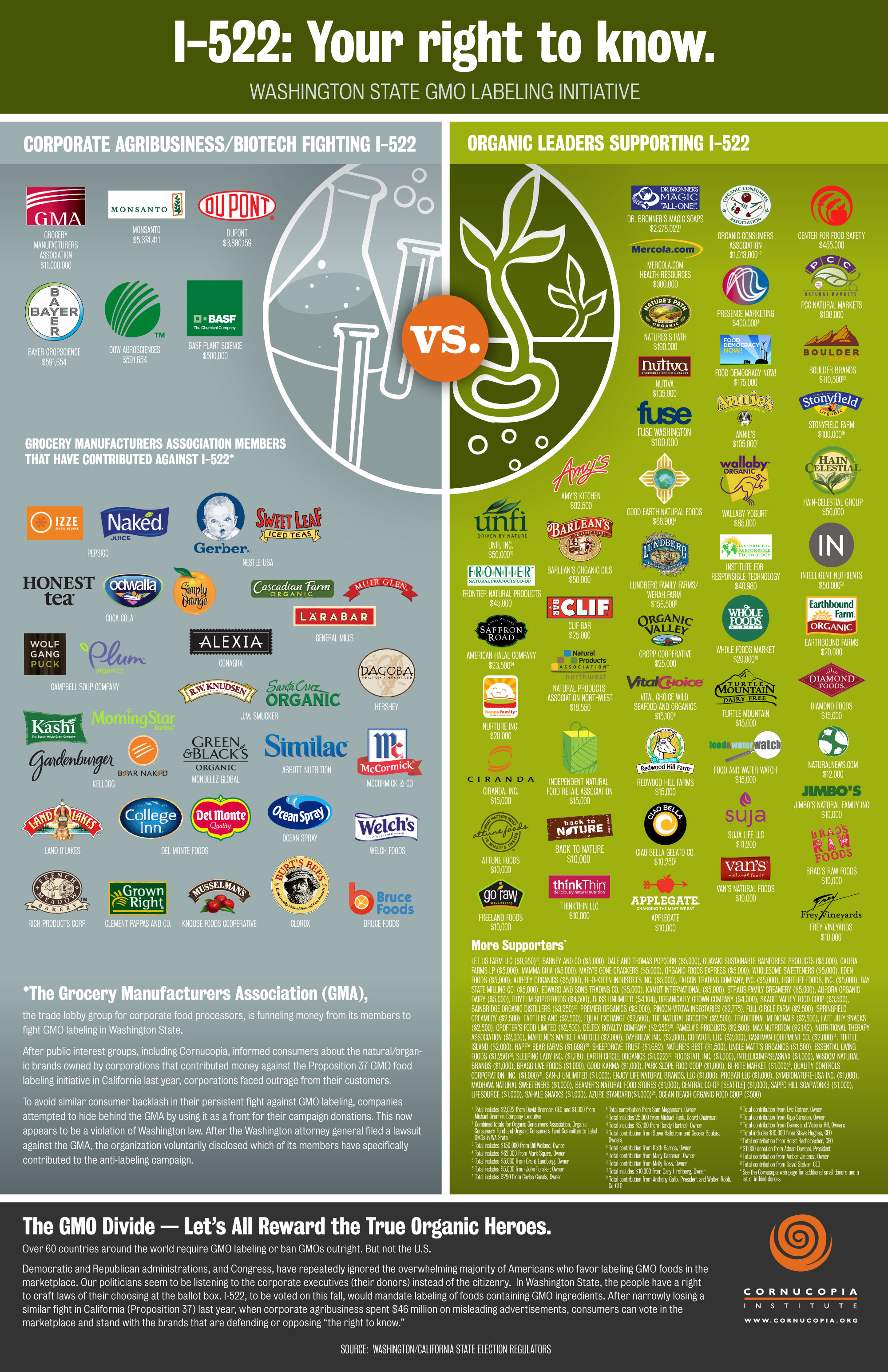
    *** End comment: I was happy and felt like applauding Mercola.com for funding 300,000$ for the Washington State GMO Labeling Initiative, they are one of the companies, amongst many others, that i buy products from as supplements for my puppy raw diet. http://www.dogsnaturallymagazine.com/wp-content/uploads/2014/03/cornucopia.jpg ***

    #37047
    MastiffLove
    Member

    We will buy in bulk, meaning half a cow, lots of chickens (loose fat removed), half a pig (less pig since it has more fat)(will add organs to those) for a start and later on i will add more types of meats as i find farmers or producers around my area. I will make this food for my 8weeks old English Mastiff puppy BUT my wife’s parents are getting a Colley puppy in July and later on during the summer a German Sheppard puppy, also a friend of ours is researching for a good Great Dane breeder. That being said we would be 4 different dogs on the same recipe.

    1- Can i get Green Tripe from a meat manufacture(not sure if thats how its called)?

    2- Can i grind necks?

    3- instead of using pureed vegetable can i use a Supergreen powder mixted with the meat then freeze?

    4- Should fruits be pureed? or chopped in fine pieces is ok? (like apples for example)

    5- wy use Sweet potatoes, isn’t it a source of carbs? Should it always be boiled or can it be oven baked?

    6- Thinking of buying in bulk therefore i would have the company to grind the meat including bones…would using:
    URBAN WOLF Balancer give a too high output on Calcium and an unbalanced Calc./Phos.?
    or
    Should i use Dr. Harvey’s Formative Years for Puppies?
    NOT to forget my puppy is 8weeks old!

    7- As for Greens should i use Mercola’s SpiruGreen Superfood and/OR Swanson’s Sprouted Flax Powder mixed with Wheat Grass Powder?

    8- Kymythy Schultze a certified clinical nutritionist said:ā€ Calcium can go out of solution when feeding too many vegetables. Keeping normal acidity (low alkaline) in the digestion by avoiding veggies in puppies keeps calcium in solution and won’t deposit excess on the bones.ā€
    (p.s.: thank you Sharon Buchanan for the quote!)
    Would adding the product from Question 8 result in unbalancing my pups acidity?

    9- i would mix everything up in large batches (some batch will have some ingredients and some will have different ones to ā€œbalanceā€ it out in day on day off type of feeding), and separate in individual portion size for an 8 weeks old large pup in air tight sealed bags and then into the freezer. Doing so would i loose any efficiency of certain foods like greens and fish oil?

    *** End comment: I was happy and felt like applauding Mercola.com for funding 300,000$ for the Washington State GMO Labeling Initiative, they are one of the companies, amongst many others, that i buy products from as supplements for my puppy raw diet. http://www.dogsnaturallymagazine.com/wp-content/uploads/2014/03/cornucopia.jpg ***

    Cathy W
    Member

    I am looking for a grain free food with quality medium to low protein and phosphorous for a 13 year old ESS with borderline high BUN and Calcium. Any suggestions?

    Tina Sharp
    Member

    I have a 10 week old english bulldog that has a stage 2 heart murmur. I need a dry large breed puppy that has low salt, low protein and low calcium food. Does anyone have an idea on a large breed puppy that meets this criteria? Thank, Tina aloveoflabs

    #36757
    MastiffLove
    Member

    We will buy in bulk, meaning half a cow, lots of chickens (loose fat removed), half a pig (less pig since it has more fat)(will add organs to those) for a start and later on i will add more types of meats as i find farmers or producers around my area. I will make this food for my 8weeks old English Mastiff puppy BUT my wife’s parents are getting a Colley puppy in July and later on during the summer a German Sheppard puppy, also a friend of ours is researching for a good breeder of Great Danes. That being said we would be 4 different dogs on the same recipe.

    1- Can i get Green Tripe from a meat manufacture(not sure if thats how its called)?

    2- Can i grind necks?

    3- instead of using pureed vegetable can i use a Supergreen powder mixted with the meat then freeze?

    4- Should fruits be pureed? or chopped in fine pieces is ok? (like apples for example)

    5- wy use Sweet potatoes, isn’t it a source of carbs? Should it always be boiled or can it be oven baked?

    6- Thinking of buying in bulk therefore i would have the company to grind the meat including bones…would using:
    URBAN WOLF Balancer give a too high output on Calcium and an unbalanced Calc./Phos.?
    or
    Should i use Dr. Harvey’s Formative Years for Puppies?
    NOT to forget my puppy is 8weeks old!

    7- As for Greens should i use Mercola’s SpiruGreen Superfood and/OR Swanson’s Sprouted Flax Powder mixed with Wheat Grass Powder?

    8- Kymythy Schultze a certified clinical nutritionist said:” Calcium can go out of solution when feeding too many vegetables. Keeping normal acidity (low alkaline) in the digestion by avoiding veggies in puppies keeps calcium in solution and won’t deposit excess on the bones.”
    (p.s.: thank you Sharon Buchanan for the quote!)
    Would adding the product from Question 8 result in unbalancing my pups acidity?

    9- i would mix everything up in large batches (some batch will have some ingredients and some will have different ones to “balance” it out in day on day off type of feeding), and separate in individual portion size for an 8 weeks old large pup in air tight sealed bags and then into the freezer. Doing so would i loose any efficiency of certain foods like greens and fish oil?

    *** End comment: I was happy and felt like applauding Mercola.com for funding 300,000$ for the Washington State GMO Labeling Initiative, they are one of the companies, amongst many others, that i buy products from as supplements for my puppy raw diet. http://www.dogsnaturallymagazine.com/wp-content/uploads/2014/03/cornucopia.jpg ***

    #36523
    MastiffLove
    Member

    thank you Sharon and H2H for your input. I am currently contemplating Fromm’s Frittata no grain formula BUT it has a low protein value. My main concern with this kibble is the price…90$ CAD FOR 26pnd bag…that’s a costly dog bowl considering i would add proteins to it.

    So far i havent found a meat full dog food with low calcium here in Quebec other then Orijen. I’m still looking but it’s getting hopeless.

    Darcy W
    Member

    Hello! I need some input on my homecooked diet. I have 4 dogs. They are all healthy and very active. They are ages 3 and 4. I had urinallisis done on two of the dogs, and they both had a high ph (one was 8, one was 8.5).
    These are the things i hve tried so far-
    -tested my water ph and it was high(8). I had been giving them Brita water but I switched to spring water.
    -started giving them cranberry (natural factors brand 500 mg 36:1)
    -started giving them 500 mg ester-c vitamin
    -started giving them water with their food.
    Here’s what I normally feed them (2x per day)
    -1/2 cup ground beef
    -1/2 cup chicken thighs with skin
    -1/4 cup brown or white rice cooked til mushy
    Ground eggshells for calcium
    Cod liver oil (EPA Dha vit. D)
    Coconut oil
    Ground flax seed
    Vitamins e,b
    Liquid kelp
    Does anyone have any thoughts on what to add or leave out to lower the ph of the urine?
    Thanks in advance.

    #36423
    theBCnut
    Member

    Orijen LBP has too high calcium

    A percent is a proportion, no matter what volume you are talking about. If something is 1% of X then it does not matter if you are talking about a single kibble or a ton of it, one part out of every one hundred parts will be X.

    I know this is a long thread, but you need to read at least the first few pages of it and read the links. That will answer a lot of your questions and will provide you with a list of foods that have appropriate calcium levels. You will have to figure out which of them are available in Canada, I’m afraid. I believe the people who are on here regularly from Canada have small dogs, so don’t follow this thread.

    Make sure that you feed your puppy to keep him lean/thin until he is completely mature at around 2 1/2 years old. This helps his joints to develop slowly and helps to keep the stress of carrying too much weight off of them until they are completely formed. Also make sure he doesn’t overdo exercise, which is another big factor in joint development.

    Add fish oil. It’s anti inflamatory and the omega 3s in it are easily damaged in kibble.

    Good luck.

    #35977

    Hi Patrick. I don’t have experience with GSD’s specifically, but I do know that large breed puppies have specific dietary needs. You have to have the correct amount and balance of calcium and phosphorous in the food or they could develop orthopedic issues. Also, you must not overfeed. Slow and steady growth is best. The large breed puppy nutrition thread is a great resource.
    /forums/topic/large-and-giant-breed-puppy-nutrition/
    Hound Dog Mom, a very knowledgeable member made a list of foods appropriate for large breed puppy growth. All foods on the list are 4 or 5 stars. See here: https://docs.google.com/file/d/0BwApI_dhlbnFTXhUdi1KazFzSUk/edit

    There are some affordable 4 and 5 star foods that won’t break the bank. You can get the best selection and price by ordering online. I like Chewy.com and Petflow.com. Both ship free with a $49 order. The most affordable foods with grain from the list are: Dr. Tim’s Kinesis, Nutrisource Large Breed Puppy, and Victor Select (Chicken & Rice or Lamb & Rice). The most affordable grain-free is Earthborn Holistic (Meadow Feast or Coastal Catch). Other grain-free foods I would consider are Wellness Core Puppy and Nature’s Variety Instinct Turkey. Grain-free foods are more expensive but you can offset the cost of feeding grain-free by alternating with grain-inclusive foods as long as your dog tolerates both. It’s best to rotate through different foods and not feed the same thing all the time. I hope this helps. Someone else may chime in and give you more specifics about GSD’s specifically.

    #33982
    Lablubber
    Member

    Rick Rankin

    So can somebody make it simple for me and please tell me on the kibble end of it. If you were just starting out with a lab puppy and wanted to feed him the best kibble… What is the best overall choice. Orijen, Acana, Annamaet, Earthborn Holistic, Go! Fit & Free, Wellness or Dr Something or whatever for a 13 week old Lab puppy. I have read to oblivion on what is best. I have read every persons articles about what is recommended and I am even more confused now and becoming quite desperate watching my grow and hopefully do well.

    As I said I tried to switch over to a good food and switched to Blue Lg. Breed Puppy and then only to find out that it too was too high in calcium after all the 20 days of transitioning to another food.

    I do plan to slowly work over to some raw diet when I feel knowledgeable enough to do so…Mainly on his evening meals and I have tried some of the stuff PattyVaughn recommend for him as well as adding it to his kibble as toppers to his food to see how he reacted to it and so far so good. But for me and my lack of knowledge, I am just afraid that to jump off completely in the Raw scene because you also need to know that I take this dog with me 24/7. He goes everywhere I go and I also take him to work with me as well. Plus he is already training hard every day with all of his retriever work and obedience training. So then with the very limited knowledge that I have on this subject and the conditions that I am involved in, a totally raw diet would almost be impossible for me to do right now….Plus I am afraid I would not have enough knowledge to give him and provided everything that he needs as far as supplementations that go along with it for a lg. breed growing puppy. Especially when I want to be extra careful on the calcium end of it and then again saying that… I also don’t want to under nourish him in anyway whatsoever either.

    So could I just plead for someone’s mercy and wisdom in this situation and please recommend the best kibble for a 13 week old lab puppy and then if you don’t mind, share with me where the best place is to order it…. Because as most all of you warned me….My local pet stores carry very little healthy lg. breed puppy food and all the local vets carry is Science Diet and Royal Canin or something like that and when you read their ingredients, none of them meet the requirements…

    So then…Could someone please come to my rescue and help someone in a pinch here, because I am down to about the last 8 # of the food that I have and so now would be the time to transition to another one. I have learned tons from all of you guys but for me time is of the essence because I want this pup to have the best I can get for him with the limited amount of knowledge that I do have on board.

    Thanks Lablubber

    #33933
    theBCnut
    Member

    Some LBP formulas are still not appropriate for LBPs, because they are also low calorie so the calcium is more than 3.5g/1000kcal. That’s why many LBP formulas did not make Hound Dog Mom’s list. She tried to contact every company that has 4 and 5 star foods on this site and ask for “as fed” calcium levels. Some companies did not respond to her request, so they may have appropriate foods, but didn’t make the list. Most foods that didn’t make the list were too high in calcium.

    #33918

    loobija and vaarde ~
    You need to read the articles that HDM has posted on page one of this thread. If you’re going to feed dry to your large breed puppies, you need to be feeding a low calcium/phosphorus kibble. Those articles, will tell you why. If you don’t want to read all of them, at least read Dr. Susan Lauter’s paper (#1), Dr. Henry Baker’s paper (#3 on the list), as well as Dr. Karen Becker’s article and watch her video (#5).

    HDM also posted a list of Large Breed Puppy food here: https://docs.google.com/file/d/0BwApI_dhlbnFY183Q0NVRXlidWc/edit, to make it easy for you to research the best LBP food for your dog (and wallet). You can also Google Large Breed Puppy Food to find more. Your puppy is worth a little bit of homework.

    Look for a food that has a minimum calcium content of .8% with a maximum around 1.2% (and don’t get hung up on AAFCO standards for calcium – they’re still behind the power curve when it comes to LBP nutrition). HDM’s list only provides minimum calcium content, you’ll need to go to the manufacture’s website to see if they list the maximum – some don’t, call them if you’re considering their food.

    vaarde – Dr. Clauder’s adult food for LB “junior” dogs contains maize (corn), corn meal, rice, beet pulp, powdered egg, mussel powder. Filler grains, sugars and in the case of those two powders, nothing but dust. They also use sodium selenite as a source of selenium when they could be using a natural source – selenium yeast. Compare those ingredients with NRG Maxim for large breeds, or Canine Caviar, or…

    loobija – you have a puppy, not an adult dog. Do not feed your LBP adult dog food and be very careful about feeding your puppy any “all life stages” food as well. Please read those articles. There is a reason why you need to select a formula designed specifically for large breed puppies. I do not like Authority’s LBP formula for some of the same reasons I don’t like Dr. Clauder’s and their minimum calcium is 1.3% when that is higher than what I would consider as a maximum amount.

    Personally, having read all the articles that HDM posted links to – and I found them independent of this fantastic forum, (be sure to thank her for making your research easier), I believe the closer you can stay to .8% calcium the better. LBP kibble formulas will have the correct calcium/phosphorus ratio (1.2:1).

    Look for foods that have named meat “meals” (chicken meal, salmon meal, etc.) in many of the first five ingredients as possible. Avoid unnamed anything (meat meal, fish meal, poultry-by-product), grains and fillers (wheat, corn, glutens), and sugars and starches (beets, potatoes). Try to find foods with natural supplements and no preservatives. If you don’t don’t what an ingredient is, look it up. For example: menadione sodium bisulfite complex (synthetic vs. natural Vit K), sodium selenite (vs. selenium yeast).

    Kibble is a mine field. Make sure you subscribe to DogFoodAdvisor’s recall alerts: /dog-food-recall-alerts/. You can also find a wealth of information regarding pet food manufacturing practices (what they’re doing right, mostly wrong, how the FDA and the AAFCO really aren’t concerned about what goes into your pet food, recalls, etc.), at truthaboutpetfood.com.

    Finally, I would recommend you read just the few pages that have been started in the forums here on feeding raw to large breed puppies: /forums/topic/feeding-raw-non-commercial-to-large-breed-puppies/page/2/#post-33708.

    #33606
    Lance & Nikki
    Participant

    Hi! I was researching some info on food for our dogs and I came upon this site and more importantly, this great thread. I read some of the thread but didn’t see what I was looking for exactly, so my apologies if this has already been addressed, but I really want to make sure that we are doing the right thing when it comes to feeding our wonderful dogs.

    We have a Great Dane that is now almost 13 months old and we have a St Bernard puppy that will be 14 weeks old this Friday. Right now we are feeding them both Artemis Fresh Mix for medium and large breed puppies. We went with this food because it got good reviews and from what we could find, it’s a high quality food. But now that Pepper (our Dane) is over a year old, we were thinking of transitioning her to an adult food and preferably a grain free one because she does have a rather sensitive stomach. In researching this, we saw that calcium content is an issue in giant breed dogs, especially breeds like the Great Dane, and it seems that many grain free foods are higher in calcium.

    What we want to switch Pepper over too is the Merrick grain free line of foods because from everything we have ever read, Merrick is a fantastic company that makes extremely high quality food. And since we have to get the Artemis food shipped in because nobody locally carries it, and we already use the Merrick canned food a couple of times a week to supplement the dry food and both our dogs love it, we would really like to use the Merrick food once our dogs are old enough to switch to adult food. I did e-mail Merrick to find out what their calcium content is by dry matter and they sent me the following:

    Grain Free Chicken- 2.50%
    Grain Free Buffalo- 2.50%
    Grain Free Duck- 2.50%
    Grain Free Pork- 2.32%

    Now these are all over the recommended limit of 1.3% to 1.5% that I have read about for giant breed dogs, but most of those limits were for their growth stage. My question (and concern) is, is Pepper old enough now where the calcium content of the food isn’t as critical as it would be if she were still a fast growing puppy (she’s right about 100 pounds now and hasn’t put on much weight at all in the last few months, she’s seems pretty steady at her current weight and size)? She currently is eating twice a day (morning and evening) about 2 cups at each feeding.

    Sorry for the long winded first post and thank you in advance for any advice/information you can throw our way, it is greatly appreciated!

    Lance & Nikki

    #33551
    kms
    Participant

    Pattyvaughn –

    Thanks for the info. I will start researching which foods to try so I can start my list of proteins/starches to test. Augie will be 10 mo by the time we’re ready to start testing, but I think I’m going to stick with HDM’s list anyway. He is on day #10 of 100% Royal Canin HP and his gas/breath/diarrhea have improved a lot – but, about once per day, he’s having yellow stool (usually in the afternoon). The yellow stool is usually soft or runny – but he has had a couple formed ones too – and every couple days it’s has a clear mucous in it. The yellow happens about once per day and the rest of his stools are formed and brown. Has your pup ever had this? Do you think that is just his body adjusting? I’m worried about the mucous.

    Anyone in same sitaution (LBP with IBD who is on strict vet diet) –

    Just wanted to post info on making dog treats out of canned food. I verified that this is ok with the vet and Royal Canin. I took the canned food version of my dogs kibble (Royal Canin HP) and baked it to make treats. The canned food in my case is NOT ok for ALS, but his kibble is ok for ALS and has the proper calcium – so I’m only using the canned (baked into treats) for occasional training. The treats come out chewy and are keeping his interest (and this did not smell up the house)……..

    For loaf style canned food baked in oven:
    1. Remove loaf and cut in tiny cubes. It does not shrink much after baking.
    2. Sprinkle pieces across cookie sheet. Do not need to grease it.
    3. Bake uncovered at 325 degrees (if using a dark pan) for 20-23 minutes
    4. Store in frig for 5-7 days.

    For loaf style canned food in microwave:
    1. Remove loaf and cut in tiny cubes. It does not shrink much after baking.
    2. Sprinkle pieces across microwave safe baking dish. Do not need to grease it.
    3. Cook for 3-4 minutes (just using plastic microwave cover)
    4. Store in frig for 5-7 days.

    #33388

    BernerdAd ~
    Just wanted to ditto Patty’s recommendation on pumpkin. It isn’t something I care to eat, but I keep a single can in my pantry just in case. When I have to open it up, another can goes on the grocery list.

    Lablubber ~
    I can’t remember if I read anywhere the age of your Lab. There’s a number of articles that HDM posted at the very beginning of this topic that address the correct percentage of calcium for large breed puppies. The figures vary somewhat, I chose to take the advice of Dr. Baker and keep Mystery’s calcium nearer to .80 percent. (My Mystery is an English Creme Golden Retriever – healthy adult weight will be about 85 pounds.)

    I hadn’t found this forum when I was researching food so I ended up creating my own chart. I looked at calcium percentage as well as ingredients. I wasn’t going to feed junk (by-products, un-named meat meals, synthetic supplements, controversial ingredients – canola oil for one), no matter what the calcium percentage was. But I also wasn’t going to feed what I thought was the best kibble (no preservatives, no grains), if the calcium was higher than I believed it should be. I would have like to have been feeding Mystery Orijen or Acana but their calcium max for LBP is 1.5%. Though they say they try to keep it to the minimum 1%, they’d be okay feeding my dog nearly twice what he should’ve gotten. In the end, I chose Innova LBP kibble.

    A simple explanation of the problem with too much calcium is, that a LBP less than six months old does not have the ability to process excess calcium properly. Too much calcium gets deposited on the outside of the bones which then causes bone disease. Again, this is the simple explanation – try reading all the articles HDM posted, some of them are a little more technical, but you’ll learn a lot from them. And don’t expect your vet to be familiar with the LBP study or any of the reports from that study. My vet said he wasn’t sure if he’d read any of them when I first mentioned diet concerns – and tried to make me feel like I couldn’t possibly know what I was talking about.

    Back to the age of your Lab. Once a puppy has reached six months of age, he is able to process calcium better but even afterward, calcium still needs to be lower than what a small or medium size puppy can handle. I moved Mystery to Orijen LBP kibble just last month when he was 9 months old. To address your concern regarding transitioning foods, when Mystery’s Innova got down to the last pound, I added a pound of Orjen to it. When that was gone a few days later, it was all Orijen.

    As far as expense goes, I considered Innova to be an average priced kibble – compared to Purina, Iams, Science Diet, or any other junk food. Orijen, on the other hand is going to cost more but is worth it – as far as kibble goes. Innova did have a recall last year at the time that I was feeding it to Mystery. I was forced to switch him over to Wellness – the next lowest calcium percentage, but I cringed at every meal because chicken meal is their third ingredient rather than first, and they use Sodium Selenite instead of Selenium Yeast. It looks like Innova has changed their LBP recipe – I don’t know what I’d do now if my only option to feed was kibble to a LBP.

    BTW, when Innova had their recall, I had no choice but to switch Mystery to Wellness – without any transition. And my cats have never needed transitioning as I’ve upgraded their food. Obviously, common sense must rule if you see a problem cropping up because of the change.

    I have to agree with Patty on Blue. In addition to their minimum calcium percentage being too high, they have three grains in their top five ingredients, they add chicken FLAVOR (why do they need flavoring?), sodium selenite and caramel which is used to make you, the purchaser feel good about the color of their garbage, as if your dog thinks caramel colored food tastes better than beige food. I also don’t like seeing oil of rosemary so high on their ingredient list since we had a Golden that had seizures (if your dog doesn’t have seizures rosemary oil/extract might not be a problem).

    In retrospect, I should have started feeding Mystery raw when we first brought him home at 10 weeks instead of waiting until now when he is 10 months old. You will absolutely learn much here at dogfoodadvisor and especially in the forums. I would also suggest, if you have to continue feeding kibble, go to truthaboutpetfood.com and sign up for her free newsletter. She’s also on Facebook if you prefer. I will say though, that I credit Susan Thixton (truthaboutpetfood), with my decision to pursue a raw diet. Of course, it was here at the forums that I received the most encouragement to switch.

    #33362
    Lablubber
    Member

    Hi KMS

    Thank you once again for your reply on the vaccinations and yes i know this is a nutrition forum for large breed dogs and I have most of the tinme been talking about it buit it just came to mind while I was typing so I asked anyway, since all of your longtimers seem so well versed and have educated yourself in the finer points of truly raising your dog right… So thank you for your reply…. It is very much appreciated…

    Then Patty, thank you also for your reply…. I know that written word is the poorest form of communication there is and you grossly misunderstood my intentions in my words because if you have read my other posts, I happen to think all of you are very informative and also very wise in your area of expertise. I actually switched off of the dog food my breeder had my pup on because of a post I think Hound Dog Mom made and I don’t know where in the world off of here that I got the idea to use Blue but it has made a world of difference in his coat, his stool conformity and he has yet to have the first issue with the Chicken and Rice Lg. Breed Puppy Food.

    As far as the raw diet goes, I have no issue with anyone using it and believe me had I not seen first hand several issues myself with it, then I assure you for my pup, I would doing whatever it takes to have him on it and besides even the people I knew that had the issue may have not used the raw diet in the prop[er way or had the strict regime of ingredients like you guys do.

    Believe me if I didn’t agree with anything you sauid or thought that you didn’t know what you were talking about….i sure would not have changed my whole way of thinking and I would still be using milk replacer in my puppy chow and facing hip or elbow issues down the road.

    I came here to be educated by people like you and hound dog mom and all of the year of wisdom that is formed and madeup by in this forum. And then boom you hit me with another shot in your last reply and told me Blue had too much calcium as well and I just finished a 20 day transition over to it for my dog.

    I swear someone on here told me it was one of the top 25 foods to feed a large breed puppy. So excuse me if I upset you by using the poorest form of communication there is because there was nothing intended wrongly for any of you. Because I am disciple of all of you and intend to remain so if you guys don’t shun me out for poor wording.

    So with that said… Can I just plainly, country boy ask you what you would feed a labrador retriever pup that means the world to you if you don’t feel comfortable with going the raw way just yet?

    One other thing I would also like to ask about supplimentation is with all of the stomach cancer issue that so many older dogs are facing… Has any of you ever added Tumeric or Curcumin to your dogs diet because I can tell you for a fact and even MD Anderson Hospital finally admitted that they have found that it actually kills cancer cells and then acts as an outright cancer fighting addition to your diet… My boss had Multiple Myeloma (Bone Cancer) and he was in stage 4 when they found it and then through nutritional changes and lots of prayer, he is a documented walking miracle. Needless to say his whole staff now takes tumeric/curcumin everyday… And my pup get a 1/2 capsule everyday as well, until I find out it is bad thing for him which I don’t think I will from what I have read. In fact I am going to write Texas A&M Vet. School to make sure that it will not and if not what dosage I could give him to be a correct amount for his system. I personally think it will make him cancer immune in his old age. I have had skin cancers on my arm dissolve and dissappear after just a few month of taking 3 capsules a day of it every day.

    So I am sorry if I ruffled anyone up because I truly did not mean to do so because I respect and enjoy reading every single thing you guys write. I read it every day and every night religiously. I just thought it was kindly strange that everyone was replying to all the posts done after mine and not a thing toward mine at all… You know what assuming does but anything I aksed is asked geniunnely because I don’t know and really want someone more educated and wise to step up and help me out… This puppy means the world to me and so I only want the best for him even if I have to swallow a lot of stuff that I didn’t know I was doing wrong on.

    So thanks for your reply and I look forward tolearning much more from all of you on this forum.

    The Lablubber

    So thank you for all of your help and wisdom and please continue what you are doing for all of us newbies to the real world of pet nutrition.

    #33206
    theBCnut
    Member

    Balanced is between 1:1 and 2:1 according to old AAFCO guidelines, BUT and this is a big BUT, large breed dogs need lower calcium than that, in fact it is looking like AAFCO may finally update this year to recommend lower calcium in all puppy foods because of this. You still want to have closer to 1:1 if you are feeding a large breed pup. Sorry I can’t remember what you said your dog is.

    #33163

    Sue’s Zoo ~

    I am a nanobyte of information away from going raw. I spent two months researching the best kibble to buy for my Golden puppy and now I’ve spent another eight months researching the best way to feed my growing boy and have come to the conclusion that raw is the way to go. Unfortunately, I am also concerned about balancing not only calcium and phosphorus but everything else, protein, veggies, supplements.

    Being at a similar point in the raw decision as you (everyone makes it out to be no big deal but it is intimidating nevertheless), the best I can offer is to share a few things I’ve learned along the way and hope it’s helpful.

    Having had a Golden that required double-hip surgery before she was two, proper bone growth was a huge concern for me. If you’ve been to the LBP nutrition forum (/forums/topic/large-and-giant-breed-puppy-nutrition/#post-33156), you’ve probably already read some of the suggestions that Hound Dog Mom posted at the beginning of the thread. If you haven’t, do – It would’ve saved me a lot of research time if I’d found the forum ten months ago. Although I waded through the technical jargon in many of the articles, I found the article by Baker most useful and objective. Now that Mystery is 10 months old, I’m allowing more calcium in his diet than Baker’s recommended .8%. I’ve changed his kibble to one with a higher calcium content (from Innova to Orijen), and have started giving him an occasional RMB and raw egg (yeah, puppy steps).

    I can’t speak to whether a puppy should eat raw bones until their adult teeth are in except to say that when I asked my breeder about food choices, I was told he starts giving his puppies chicken backs at six months.

    As far as balanced nutrition goes, I’ve considered “balanced” frozen raw brands but they really are expensive and there’s much debate as to whether they’re safe. I’ve read so much conflicting, contradictory and even argumentative information that I have to take a few days off research just to clear my head. Sometimes I wonder if I’ll ever get my Mystery off kibble.

    That said, I did find an Internet conference (what will they think of next), on feeding raw that is hosted by Dogs Naturally Magazine. You can find more information here: http://www.dogsnaturallymagazine.com/raw-roundup/. It isn’t until the end of the month but I’ve already registered and am hopeful to glean that last nanobyte of information so that Mystery will be eating only raw in March.

    #32911
    theBCnut
    Member

    Register on Gravatar for an avatar. Just to be on the safe side I would go to at least 10 months on the controlled calcium foods. As long as you keep your treats and toppers to under 20% of his diet then you don’t have to worry about them being slightly too high or too low in the calcium department. I always add a source of omega 3s(sardines, fish oil, etc.) to kibble and I like to add coconut oil too. I give a multi-strain probiotic a couple times a week. My gassy intolerant dog always gets digestive enzymes.

    #32855

    Jazz Lover,

    The general consensus is that puppies can start regulating calcium uptake around 8-10 months old. To play is really safe you could wait until 1 year.

    Read this for an understanding of what “all life stages” means: /frequently-asked-questions/aafco-nutrient-profiles/

    Essentially you can feed an “all life stages” food to a puppy because it is approved for growth and reproduction as well as adult maintenance. A lot of the labels on foods (ie large breed puppy, large breed adult, senior, etc) is just marketing. If pet food companies really knew what they were doing in formulating dog foods, there would be a lot more “large breed puppy” foods on the list. If I were you, I would not get caught up on the label. You don’t have to feed a food specifically for a large breed puppy or large breed adult. You need to make sure it is approved by AAFCO for growth and reproduction (aka puppy food) or all life stages.

    I had to google FCP surgery. This was done to correct elbow dysplasia? As far as supplements go, I have heard the same. You don’t want to give supplements until they are done growing. I think you’d be safe starting them at 1 year. Does your vet have an opinion on this? I think you are ok with giving the salmon oil as long as you account for the calories that it adds. How much you feed will depend on the body condition of your dog. It is hard to say how much his metabolism will slow down. I would just watch his form and if he looks like he’s getting chunky, cut back on the food. If he starts to look too skinny, increase his food. Refer to the body condition chart in the Dr. Becker article I posted previously. I keep my dog lean because he is older and has arthritis. It is much easier on the joints.

    Bottom line- if I were you I would continue to feed a food on HDM’s list and hold off on additional supplements until 1 year or per your vet’s instructions. I hope that is helpful to you.

    #32840

    There are 3 reasons why the grain-inclusive Great Life didn’t make the list:
    1- the calcium was too high.
    2- the food is not 4 stars or above.
    3- they didn’t respond to HDM’s inquiry about their actual calcium levels.

    I’m not sure which one it was, but HDM said that if I food wasn’t on the list then it was because of one of the above reasons.

    What are you still searching for? I would not be afraid to use the Wellness Core or NVI Turkey. I have to concur with Patty. The issue with growing large breed puppies is not protein. They need to grow slow and not have too much calcium. HDM has figured out the calcium for us with her list. As for slow growth, they can grow slow on high protein/high calorie foods but you can NOT overfeed them. If they get too many calories and grow too fast then you will run into problems. Regarding how much to feed- yes, you would feed less of a high protein/grain-free food because it has more calories. Those foods tend to be more calorically dense because they have more meat which means more fat and fat contains double the amount of calories as protein. If you fed a grain-inclusive the calories would probably be lower because there are more carbs (from the grains) and less fat. So you could feed more of a grain-inclusive. It depends on the dog. I had a rottie (passed last month from cancer) that acted hungry all the time no matter what food he was eating, grain-free or grain-inclusive. I suspect labs can be the same way. If I were you, I would start feeding the Wellness or NVI Turkey and see how he does on them. If he does well then great! Add those to a rotation list. Then you can try a grain-inclusive like Dr. Tim’s Kinesis and see how he does. If he does well on both types of food then I see no real reason to why he can’t eat grain-inclusive. You can alternate between grain-free and grain-inclusive foods.

    That’s my 2 cents. I hope it helps alleviate some of the confusion. Here is a great article about large breed puppy growth by Dr. Karen Becker: http://healthypets.mercola.com/sites/healthypets/archive/2012/04/09/slow-growth-diets-for-giant-breed-puppy.aspx I feel like this is a great summary of what this whole thread is about and it explains it much better than I can.

    #32810
    Tucker
    Member

    Thank you Patty… Just when I thought I was good to go I run into the protein debate. šŸ™

    I went today and got a little bag of Wellness Puppy Core and NV LID Turnkey all on the list. Before I found you guys I had bought a bag of Great Life Chicken. I guess that is not grain free but shows lower protein.

    Here is my sticking point. I have read all 59 pages šŸ™‚ and now I am educated and confused as hell lol

    My breeder of labs for 18 years was feeding Costco Salmon and Sweet Potato which is OK for puppies on the list but we have the Diamond Food recall issue. On her puppy packet she says, ” we don not fed puppy food because of the high protein in it. Pups and growing dogs do not need more than 24% protein in their diets. A large breed grows quickly and we want to make sure the joints keep up with the growth so no puppy food.”

    You are in agreement with that part and the calcium levels are ok with that food. But the protein is low. Does she just not know. She said 18 years and she never has a problem with her dogs on that food. Who is right? The vet put me on Iams puppy lb and he started itching, so she put him on antibiotics and med shampoo. I feel like an idiot for giving him the pills so young but I listened to the dr. Everyone has a different opinion. I just want to do what is best. The amount of research that has been here is incredible and I am so appreciative to everyone that has taken the time to share their knowledge. Alas I feel I find myself in the same place as many newbies… over informed and over confused!

    Do I look for a high end food that had the right calcium but lower protein as she says to cover both bases. The Great Life Chicken I have here and was going to start him on before I found you guys is 22%. Not grain free though. I guess the grains keep the protein levels down?

    2 of the lower protein on the list get close to what she says and covers my calcium.

    Earthborn Meadow Feast is 26%…
    Dr Tims Kenesis is 26%

    so if I understand… we adjust the quantity to compensate for the extra protein calories with a high protein food so he doesn’t grow to fast? That is what she is worried about. he is a lab and loves his food… wouldn’t it be better to give him a food with less protein and a larger quantity so he can chow down and feel full? or does it not work that way? Am I just filling the belly with wasted or unbalanced calories?

    Tucker is a hoover… if I free fed him he would look like a basketball. I don’t think he would stop eating… šŸ™‚

    Right now he is 4 months and 32 pounds at last check (yellow lab male) Every vet that has looked at him says he is going to be a big boy! He is not rolly polly now. I think he looks good in the waste and ribs.

    Just when I thought I had it… and I am stuck in the mud again. but now with 3 different bags of kibble at home that I am apprehensive to use šŸ™

    I hope I am not the only person that is this confused. You are all so patient with everyone. Sorry if I am driving you crazy.

    But thank you soooo much for the help!!!!

    #32797
    theBCnut
    Member

    You don’t want to go too low on calcium either, that has it’s own set of worries, but any food on HDM’s list should be fine. Dr. Tim’s is a super food and if you ever have any questions just email them and Dr. Tim will answer your email. They are super helpful.

    I guess in your situation, I would go grain free because grains are known to be inflammatory, which is not conducive to healing. But I’m not sure if it would really matter if your dog doesn’t have a problem with grains, I’d just do it out of an abundance of caution.

    Tucker
    Member

    Hi All,

    First post. Great site! Can’t believe I have had labs my entire life and never found it. I replied under large breed nutrition and wasn’t sure if I should have started another topic so I put it in both. Not sure of the protocol here yet šŸ™‚

    Apologies for the length… I wanted to get it all in šŸ™‚

    We just lost both of our labs last year in a one two punch within 2 months. Killed me šŸ™ Floyd (my 11 1/2) Chocolate to prostrate cancer and KC (my girl 15 1/2) yellow to lack of mobility. That girl was bolted together more times and just kept on trucking. Pretty amazing… I was blessed. She may have cost me a fortune, but she was worth every penny and more. As close to a human as a dog can be šŸ™‚ For anyone who has an older dog that is having trouble getting around I HIGHLY recommend trying acupuncture. I got two extra years of love out of her. šŸ™‚ Now to the new…

    A few months ago we started a new chapter in life and brought Tucker home. (I would put up a pic but I can’t figure out how to do it.. lol. Gorgeous White Male Lab. Great breeder, all of her dogs looked so healthy, great referrals. Then the unthinkable happened. We brought him home a few days before 8 weeks and on day two we were all on the bed ( I know… don’t even say it. There is a crate on there for when we sleep… Still want him on Daddy’s bed) I was at the top and my fiancĆ© was at the bottom.. Tucker in the middle and he did a scoot and rolled of the bed… and began limping šŸ™ I almost died. You all can only imagine! He favored his should for a few minutes and he was fine. Then two weeks later my finance was holding him, put him down and he favored for a minute and was fine. I was thinking maybe a bone bruise. Two weeks later it happened again!!! That was it… x-ray time. Our regular vet said there was a slight deformity in the round of the shoulder bone where it goes in the socket but it would it probably just go away and to keep him calm for a month or so. That doesn’t work for me. I’ve paid the price for listening to first opinions in the past and not investigating issues. I brought him to my Ortho who bolted my girl back together so many times and he gave me the real scoop…

    OCD… I knew when he said come in my office it wasn’t a bone bruise. I’ve taken that walk before. šŸ™ He’s old school and said monitor and if it gets bad we will fix it. He wasn’t showing signs of distress on manipulation. He said if it’s bad they yelp. I’ve researched everywhere and my brain feels like it is full of Bingo Balls right now.

    Our breeder said she has never had a dog with OCD. I know nutrition and heredity are two factors, but in this case I have to believe that this is trauma related OCD and not from the others. With that in mind, I know slow growth, low calcium. Some say no carbs so grain free, others say not too much protein is bad which is what you get with grain free…

    Bingo Balls :-/

    Our breeder did not believe in puppy food and fed Kirkland Signature Salmon and Sweet Potato. I have a problem with Costco dog food. We got home and the vet said Iams puppy large breed was good. I think that is worse. Can’t believe I went there… I just wanted to do it all right. So here we are now.

    I need the best dry food I can get considering his OCD condition in his left shoulder. I really don’t care what I spend on my bag of kibble. I just want to fix my puppy!!!

    We got a harness instead of a collar so there is no unnecessary tugging, There are ramps everywhere so there is minimal impact on up a downs, and we try to control him as much as anyone could control a 4 month old lab. When the zoomies come you just have to go with the flow…lol.

    Now I need to know the best dry kibble to feed him. Whatever will help as much as possible for this to heal and his bones to grow big and strong. šŸ™‚

    Side note … The vet did start him on a glucosamine pill that seems good. And then we talked to the lady at the holistic dog food store who says it may be bad because he is young and you don’t want it to take the place of his own body making it… seriously!!! like I didn’t have enough to worry about with the kibble….

    Any help would be sooo greatly appreciated. I love my dogs more than people! I can’t change what happened and I have accepted that it was an accident, though preventable šŸ™ Now I need to do everything I can to put things right!

    Help me Doggie Food Forum… your my only hope! šŸ™‚

    Thank you everyone for all of your posts. They have been very helpful. This place is fabulous!

    #32761
    Tucker
    Member

    Hi All,

    First post. Great site! Can’t believe I have had labs my entire life and never found it.

    Apologies for the length… I wanted to get it all in šŸ™‚

    We just lost both of our labs last year in a one two punch within 2 months. Killed me šŸ™ Floyd (my 11 1/2) Chocolate to prostrate cancer and KC (my girl 15 1/2) yellow to lack of mobility. That girl was bolted together more times and just kept on trucking. Pretty amazing… I was blessed. She may have cost me a fortune, but she was worth every penny and more. As close to a human as a dog can be šŸ™‚ For anyone who has an older dog that is having trouble getting around I HIGHLY recommend trying acupuncture. I got two extra years of love out of her. šŸ™‚ Now to the new…

    A few months ago we started a new chapter in life and brought Tucker home. (I would put up a pic but I can’t figure out how to do it.. lol. Gorgeous White Male Lab. Great breeder, all of her dogs looked so healthy, great referrals. Then the unthinkable happened. We brought him home a few days before 8 weeks and on day two we were all on the bed ( I know… don’t even say it. There is a crate on there for when we sleep… Still want him on Daddy’s bed) I was at the top and my fiancĆ© was at the bottom.. Tucker in the middle and he did a scoot and rolled of the bed… and began limping šŸ™ I almost died. You all can only imagine! He favored his should for a few minutes and he was fine. Then two weeks later my finance was holding him, put him down and he favored for a minute and was fine. I was thinking maybe a bone bruise. Two weeks later it happened again!!! That was it… x-ray time. Our regular vet said there was a slight deformity in the round of the shoulder bone where it goes in the socket but it would it probably just go away and to keep him calm for a month or so. That doesn’t work for me. I’ve paid the price for listening to first opinions in the past and not investigating issues. I brought him to my Ortho who bolted my girl back together so many times and he gave me the real scoop…

    OCD… I knew when he said come in my office it wasn’t a bone bruise. I’ve taken that walk before. šŸ™ He’s old school and said monitor and if it gets bad we will fix it. He wasn’t showing signs of distress on manipulation. He said if it’s bad they yelp. I’ve researched everywhere and my brain feels like it is full of Bingo Balls right now.

    Our breeder said she has never had a dog with OCD. I know nutrition and heredity are two factors, but in this case I have to believe that this is trauma related OCD and not from the others. With that in mind, I know slow growth, low calcium. Some say no carbs so grain free, others say not too much protein is bad which is what you get with grain free…

    Bingo Balls :-/

    Our breeder did not believe in puppy food and fed Kirkland Signature Salmon and Sweet Potato. I have a problem with Costco dog food. We got home and the vet said Iams puppy large breed was good. I think that is worse. Can’t believe I went there… I just wanted to do it all right. So here we are now.

    I need the best dry food I can get considering his OCD condition in his left shoulder. I really don’t care what I spend on my bag of kibble. I just want to fix my puppy!!!

    We got a harness instead of a collar so there is no unnecessary tugging, There are ramps everywhere so there is minimal impact on up a downs, and we try to control him as much as anyone could control a 4 month old lab. When the zoomies come you just have to go with the flow…lol.

    Now I need to know the best dry kibble to feed him. Whatever will help as much as possible for this to heal and his bones to grow big and strong. šŸ™‚

    Side note … The vet did start him on a glucosamine pill that seems good. And then we talked to the lady at the holistic dog food store who says it may be bad because he is young and you don’t want it to take the place of his own body making it… seriously!!! like I didn’t have enough to worry about with the kibble….

    Any help would be sooo greatly appreciated. I love my dogs more than people! I can’t change what happened and I have accepted that it was an accident, though preventable šŸ™ Now I need to do everything I can to put things right!

    Help me Doggie Food Forum… your my only hope! šŸ™‚

    Thank you everyone for all of your posts. They have been very helpful. This place is fabulous!

    #32520
    Lablubber
    Member

    Hi KMS

    Every vet I have been to with all my dogs recommends Royal Canin Feed for dogs. And I have to be straight up honest with you too…..

    This whole dog food issue is driving me absolutely nuts but I study it like a beast and I read and read and read and this is what I have concluded in all that I have read, been advised to do, and from what I have seen first hand in all of….

    The Raw diet, although I know that it can be really great and it does seem like the most natural thing to do for your dog. But this is also from my studies of it, know to be a fact……

    First the whole reason you are reading this anyway because you like myself, want only the best for your dog and so you want to be absolutely sure your dog or pup is getting everything it needs and requires in it’s diet… And so yes….If you use absolute extreme caution in prep and storage and you get all of your ingredients from a for sure, organic farm and ranch. And if you want to be absolutely sure that your supplementation is correct that you are going to use. the only for sure way that you can do that is by having bloodwork ran on your dog and having a nutritional spectro analysis ran to know the correct amounts of each vitamin and nutrient is being met in his diet and then no one can argue that the Raw diet is a great way to go.

    But… the big But word….. The downside to the Raw diet has been, that due to prep work and non organic ingredients being used and this has happen to people who are OCD about it…But it has led to some very serious bacteia infections in people’s dogs and has even caused death in dogs due to the bacteria present in raw food. This bacteria has caused dog’s intestines to actually sluff off the inner lining and pass blood so bad that if they made it through the IV treatment and antibiotics regime then they were fine or otherwise dwindled down and they died.

    So the downfall to raw is obviously, the chance you take in that happing, the expense of the spectro analysis, not to mention food cost involved…

    Then the super high tech foods that everyone reccomends… The stuff like Blue, Innova, Dr. whatever and all that list on here… They all have high cost, but at least because they were processed in a high temp. situation…The biggest majority of all bacteria has been removed from it. So that is not a worry…. But then you read and know people who have fed that feed and some dogs have bleeding problems associated with it because of the high protien involved in it… Or whatever causes it….. It is not a rarity either….

    Then a big push by folks for this food is they say that is like the food that animals in the wild eat and so let me say this as a country boy to as well as being an avid predator hunter, I have never in my life, seen wolves nor coyotes…..Ever eating carrots, blueberries, potatoes, kelp, etc. So in reality then….What is a person to think???? Not like a wild animals diet at all….

    Then you come to the more old tried and true….The per say….Puppy Chows and High Pros and the Iams and Eukanubas etc. and yet more and more people are having their precious dogs come down with all different kinds of cancers and tumors. And for me being an avid reader of medical stuff in humans and from all I have read about Monsanto and the genetically mutated corn and the serious ill effects and cancer causing issues they have had in humans because of it….Then it also makes me extremely leery of any pet product containing any corn or corn by product….But yet, even myself I had to learn from folks on here of the ill effects of non-regulated calcium uptake in puppies, especially large breeds and yet I have never raised a lab pup that I didn’t put milk replacer or powdered milk in their food when I feed them…

    So needless to say…..It is a very scary world out there for all of us as pet owners…. But one thing I have learned about some vets is…. They like doctors will treat a dog, until you say this is enough and I have been there some times before myself. So one thing I have learned and also saved many a dog with even those who had been left to die of parvo is if you are truly serious about your dog as much as most of us are on here. I will share my country boy diet that has saved quite a few dogs, exhibiting the very same symptoms your dogs is showing…

    Go to a local rancher/farmer who raises ducks or chickens near you and and one who lets them fend for them selves for feed and buy them. Then butcher the ducks and boil them down to pieces and I mean everything….the livers and gizzrds and hearts and then add cooked organic brown rice or even quinoa and feed your dog exclusively on that for at least several weeks or even a month after all signs of bleeding ceases to exist in his stool…. As well as, only allow him or her to drink only alkaline water. If you have to buy it….I know Fiji water is akaline but it is also fairly expensive.

    Then I would also add 3 capsules of tumeric or curcumin which is the same thing, to his food daily everday and continue that from there on cutting back to one to two capsules a day after he is healed. You can get this at any health food store or pharmacy…

    If your dog were showing any signs of weight loss or delapidation in any ways whatsoever…. As I did in the ones that had parvo, I would also recommend adding acidophilus to his food as well as Goat colostrum and I can tell you, your dog’s bleeding should stop within a 4 to 5 days and he will be well on his way to recovery although I would recommend keeping him on the chicken and brown rice regime for at least a month and then begin to transition over to what ever food you want him to be on from then on, always watching closely for any recurrance of bllod in the stool.

    Myself I would use the Goat Colostrum and Acidophilus anyway if money permitted regardless of weight loss or not…. But anyway if you couldand if you really wanted to recharge his system as well…. I would keep him on the acidophilus, tumeric and Goat colostrum for at least several months afterwards and then I would also start adding high flora yogurt to his feed when the bleeding stops…

    I am not an expert by any means, but I am just a country boy who loves animals and refuses to watch any animal die if I can stop it. I will be honest…. I have lost faith in the medical field when it comes to humans and am quickly losing for the veterinarian field as well due to drug manufacturers and feed manufacturers getting in some of their pockets….

    Yiour are well blessed if you have a vet who is in it for all of the right reasons… Very few and very far between… The love of money is the root of all evil and yes it has creeped down into the Vet world as well.

    #32349
    Lablubber
    Member

    I am a newby to all of this high tech dog food stuff but now that I am older and much wiser I read all I can about the well being of my pups…. I was the old way, dump milk or condensed milk into my puppy food to help them grow strong bones and prevent dysplasia then when they get older feed high pro to keep them muscled. but as I got older and wiser and had more time to read and started hearing more and more about canine cancer and the grain based feeds being considered as a culprit. I really started reading alot and looking for the best food available. I just bought a new puppy a yellow lab and only want the best for him but then just today I saw in an article on here that actually hinted or said that you can actually give a puppy too much calcium and I sure do not want to hurt this lab puppy in any way. but I thought I was doing what was best for him because of their size and higher than normal occurrance of dysplasia and so as always I have for the first year at least, added a scoop of milk replacer to my dog’s food bowl and along with it, I mixed it with warm water to make their food more appititizing and suppopsedly also helped build bones. So after reading these articles…. And also pleading stupidity with all of you for only wanting what is best for my dogs…. Is what I have been doing a bad thing for my dogs? Especially if it does not cause loose or runny stools? Because after reading articles on here, it seems like in these articles that they are saying that it actually causes more hip dysplasia and elbow displaslia? Is this correct? Because my vet has never caautioned against it and so believing the vet above my Holiday Inn Express Education in Veternarian Science, I sure would appreciate a good answer and explaination as to why, the extra calcium he gets by the milk replacer he gets in his food causes and even worst chance of dysplasia because I sure don’t want to hurt my puppy for anything? So if anyone can cite me or send me any articles on this or can tell me where to look. I would like to know. Also if anyone can tell me why I should not use Blue Wildness Lg. Breed Puppy Food for him or Blue Lg. Breed Puppy Chicken and Brown Rice Formula? Sorry to sound so stupid but as I said I was Puppy Chow, Hi Pro man all my life and thought I was doing good.

    #32131

    crazy mom-

    The general consensus is that puppies can start regulating calcium uptake at 10 months. Your Danes are both over 10 months so you don’t have to feed one of the foods on HDM’s list. The most important thing is that it is “All Life Stages”. Most of the “large breed,” “giant breed,” “senior” labels are just marketing and there is no real benefit to feeding those foods over a regular ALS food.

    Victor is a good food. Most of their varieties are 4 and 5 stars. /dog-food-reviews/victor-dog-food/
    The Victor Select Professional formula looks good, it’s rated 4 stars. The Hi Pro Plus is 5 stars. You would be ok feeding any of their varieties but I’d stay away from the Multi-Pro Maintenance and the Beef Meal and Brown Rice, both are 3.5 stars.

    If you can, it is better to rotate different brands of foods rather than different formulas within the same brand. Any deficiencies or abundances in certain vitamins or minerals will likely be present in all formulas within a brand. If you can rotate different brands, you are more likely to cover all your bases because different brands have different vitamin/mineral profiles. Do you know what other brands your feed store carries? I could help you sort out some of the better ones to choose from if you like.

    Edit- regarding transitioning, you may have to do it slowly at first. The more you change the food the easier transition will become. I changed foods after every bag and my Dane could switch cold turkey from bag to bag after awhile. That’s something you’ll need to watch your dogs for. If their stools start becoming loose then you might be transitioning too fast and need to slow it back down.

    • This reply was modified 12 years, 4 months ago by RescueDaneMom.
    #32114
    aimee
    Participant

    I’ve owned several Labs and used to show in conformation and obedience. I love the breed. I do think 6 weeks is too young to remove from the litter. Any chance the breeder will keep the litter together for at least another week?

    The time to start puppy classes is about a week after the first vaccination so well before 12 weeks. The key is that the exposure is to other healthy vaccinated dogs in a controlled environment. You can find some good information at dogstardaily.com The information is broken down into what you need to know before you get your pup, first week home, first month home etc.

    As for feeding, in addition to appropriate calcium levels I only feed foods that have passed feeding trials during the growth period. I raised my last two Labs on Pro Plan large breed puppy. In addition to HDMS list you can find food suggestions here /canine-nutrition/hip-dysplasia-dogs/#comment-510071572

    and here:/canine-nutrition/hip-dysplasia-dogs/#comment-513500240

    #32112

    In reply to: Renal failure

    Shawna
    Member

    Hi Dorenda,

    Took a few tries but I was able to log on.. Thanks Patty for the email heads up :)..

    Vets often suggest low protein for renal disease when it really isn’t necessary. There are studies even that show dogs that have protein lowered to drastically too early in the disease have increased mortality. There’s some fantastic information on the topic on nutritionist Mary Straus’ website (see quote below). My dog has had kidney disease since birth and has been on high protein raw her whole life (45 to 54%) — she’ll be eight years old the end of June 2014.

    “Based on research done in the last ten years (see s a Low Protein Diet Necessary or Desirable?), that the only time it is necessary to feed a low protein diet is when your dog is uremic, which generally means BUN is over 80 mg/dL (equivalent to 28.6 mmol/L), creatinine is over 4.0 mg/dL (equivalent to 354 µmol/L), and the dog is showing symptoms such as vomiting, nausea,inappetence, ulcers and lethargy, which are caused by the build-up of nitrogen in the blood. Even then, feeding low protein will not extend life, but it will help the dog feel better. Subcutaneous fluids can also help at this time (and before).” http://www.dogaware.com/health/kidneydiet.html

    If your pup is uremic then consider K/D canned with added toppers to entice eating. Toppers like lightly cooked egg whites or canned green tripe are good options. Both are low in phosphorus but higher in protein. To counter the extra protein you can give probiotics and a certain type of prebiotic to induce “nitrogen trapping”. Nitrogen trapping utilizes the bacteria in the colon to help clean BUN from the blood. I use Garden of Life Primal Defense probiotic (human product) and Fiber 35 Sprinkle Fiber (also human product). If symptoms are bad enough that there is a need to keep protein really low try adding high quality fats — organic butter or ghee, coconut oil etc.

    I would avoid kibble at ALL COST!!! Kibble of any kind including K/D.

    Vet Dr. Royal created a raw kidney disease diet for Darwins. It can be found on their website – link below. The food is REALLY high in protein so again not an option if your pup is uremic. Here’s some info. The actual diet is on the site as well. Your vet will have to contact them to confirm your pup is a good candidate for the diet. http://www.darwinspet.com/kidney-health/

    Mary Straus, link above, has diet recommendations on her site – she does include kibbles but kibbles are dehydrating and can cause issues. The protein in kibbles is also poorer quality than any other form and due to this creates more BUN then other diets with the same amount and kind of protein. Nutritionist Lew Olson also has some recipes on her website http://www.b-naturals.com/newsletter/kidney-diet/

    Supplements that might be helpful — the one that I will NEVER run out of with my KD girl is Standard Process Canine Renal Support. Turmeric, food grade activated charcoal and burdock root are some to look at. I’d also recommend giving a digestive enzyme no matter what you feed. Mineral waters higher in calcium while being lower in sodium have demonstrated some benefit. They didn’t identify the brand in the research paper but I believe they may have used Evian. I’ve also read that feeding smaller meals multiple times per day is beneficial.

    Hope something here is helpful!! Sure hope you can get your pup feeling better!!!

    Shawna

    #31952
    theBCnut
    Member

    I would worry that with how they make canned foods, you wouldn’t ever be sure of consistant calcium levels, someone who knows more may prove me wrong, but that’s my worry with going completely canned.

    I would leave him on the food he came on for several days or do a very slow transition, like 10% change instead of the 25% that is usually recommended. If you decide you want to go to raw, I would add it as a topper for a few days, then increase the amount.

    Nature’s Variety Instinct, Annamaet, and Earthborn are some of my favorite kibbles on HDM’s list.

    And yes, start rotation right from the beginning, before you use up one bag already have the next so you can transition. Keep an eye on the stool to know how fast you can transition and in no time your dog will be like ours and need no transition at all.

    #30789
    mellowmutt
    Member

    I got Amiga at 8 weeks old, back on June 1st. Her breeder recommended Nutro LBP Lamb & Rice, so that’s what I fed her at first. I wasn’t happy with her gas or her stools, so I did some research and decided to mix Orijen LBP and NV Prairie LBP with the Nutro. Did some more research and discovered that I was feeding her way too much calcium. So I added two other foods to the mix in mid-July, NV Instinct Rabbit and CC Open Sky, had to set up a spreadsheet to keep CA, CA:K, calories & protein in order. I did the calculations based on the max-CA values, not averages or the tested values of a specific batch, to be on the safe side.

    Ran out of this mix a month ago, at 8 months apparently she can regulate her CA herself, so I quit worrying about it. Now I have her on a mix of Orijen Regional Red, NV Instinct Rabbit, and NV Prairie Venison & Barley. It seems reasonable to me to feed her a red-meat diet in winter, and switch to a fish-and-fowl diet come summer (ancestral-wolf feeding pattern). In a few months the mix will be Orijen Six Fish, NV Instinct Rabbit LID, and NV Prairie Duck & Oatmeal. Both supplemented with the occasional topper of Orijen Tundra freeze-dried. LID Rabbit doesn’t have turkey, which is in the Duck & Oatmeal formula, so Turkey’s on the menu all year, too. Protein content of these blends is 33%.

    The Prairie kibble’s mixed in to lower my cost from $3/lb to $2.75/lb, which adds up with a large breed. Rabbit is in the mix year-round, because I read some research (I’ll post the links if I find them again) about how wild/feral canines/felines primarily eat bunnies. The missing “meat group” in the prepared foods is rodent, so I’ll also occasionally feed raw beaver meat as a topper. I’d like to add a third brand into the mix instead of the Prairie, unfortunately I haven’t found anything that doesn’t have either the “wrong” grains or is loaded with potato (a no-no for malamutes as white potato is known to trigger bloat in this breed), or is too expensive to serve the purpose.

    I set up another spreadsheet for amino acids and did yet more research; I believe she’s getting the full spectrum in sufficient quantities from all the different protein sources (also gets Orijen Tundra freeze-dried treats, used these to teach her to swim ‘cuz they float without getting soggy) such that she doesn’t need the glucosamine/chondroitin/taurine supplements typically found in large-breed-specific formulas — her body ought to be able to produce as much of these as she needs provided the proper building blocks (amino acids & cartilage). Her stools, on the “winter blend” anyway, are firm and dry, and not too voluminous or frequent and she seems to be thriving; my Vet is pleased with her physical condition and says her growth rate is right on target.

    Many thanks to this site and all who contribute for helping me navigate the dog-food waters, it’s enough to make one’s head explode, but it’s also nice to have so many quality options in dry kibble. It’s been several years since I’ve had a dog (Amiga’s my 4th), Iams and even Purina just aren’t what they once were so I didn’t even consider those despite two of my dogs living to 15 (Keeshond on Eukanuba and Golden Retriever on Hi-Pro). My last malamute got Iams Lamb & Rice, but was shot (with cause) by a sheep rancher at 3 1/2 back in ’94 so I have no long-term report, there.

    What got me to not trust dogfood manufacturers and do this research, leading me here, was how horrific the first month was feeding Amiga just the Nutro. Glossy, semi-soft, mucousy stools (if not diarrhea) and lotsa smelly farts — just like my friends’ dogs being fed Nutro. Enzymes, pre- and pro- biotics didn’t help, de-worming only cleared up the worms. No surprise given the ridiculously-high Zinc content in Nutro formulas, apparently since Mars bought them out — these are symptoms of Zinc toxicity, not poor digestive-tract health; no band-aid for that. Wish I’d figured that out sooner, and the calcium-level thing.

    If I had the puppy-food phase to do over again, I wouldn’t touch Nutro with a 10-foot pole. These problems lessened when blended with the other kibbles, and disappeared entirely (OK, occasional fart still, probably the grains) this month after discontinuing the Nutro. I would do the four-kibble mix again, going with just the Rabbit and Duck would be lower calcium, but would also lack the glucosamine/chondroitin/taurine supplements the two LBP kibbles contain, as well as the cartilage and broad spectrum of amino acids which make these supplements unnecessary.

    I did rush her to the vet after-hours back in September for bloat, but I didn’t alter her diet because of it. Sometimes she eats stuff that isn’t “on the menu” so to speak, mostly I blame my kitties because they love hunting and killing — just not eating their kills, which they leave for the alley cats. And for Amiga, sometimes she finds these before I do and accounts for occasional fur/feathers in her stools (Amiga’s also killed a mourning dove, robin, grackle, and a magpie). At least they’ve learned not to bring them in the house! I’m following all the best-practice guidelines for avoiding bloat, so hopefully this was a one-time thing, scary for both of us…

    #30061
    BlueEyedGirl
    Member

    Ok – I am not understanding something here Patty (Math was never my strong suit).

    The numbers she gave do not in fact match what is on their website (the data on their website is dated July 29, 2011.)

    According to the PDF on their site, Calcium is 374.723 per 100kcal while the Phosphorous is 227.364 per 100 kcal.

    With the ratios she provided, I understood that to be 3.34/1000kcal but I see now that I misinterpreted that.

    What I am puzzled by is why if the Calcium and Phosphorous ratios play such an integral role in feeding these large breeds, is the Now LBP Dry Kibble formula given five stars on the Dog Food review page on this site?

    (from the Petcurean NOW Fresh page Food Summary Review on this site)

    Now Fresh – Four Stars
    The following is a list of recipes available at the time of this review.

    Now Fresh Puppy
    Now Fresh Adult
    Now Fresh Senior
    Now Fresh Large Breed Adult
    Now Fresh Large Breed Senior
    Now Fresh Small Breed All Ages
    Now Fresh Large Breed Puppy (5 stars)

    Now Fresh Small Breed All Ages was selected to represent the other products in the line for this review.

    #29871
    BernerdAd
    Member

    Hi sorting through all the good information — I’ve come up with a few questions
    1) why did Grain Free Canine Caviar Open Sky make the list but Grain Free Canine Caviar Puppy did not?
    2) None of the Blue Buffalo dry products made the list at all – why is that.

    Ive created some spread sheets and in particular looked at calcium and there are not major differences? At what point do small percentage points — i.e. the difference between 1.2% and !.5% make a difference – I mean statistically what is the variance in these numbers when a food doesn’t make the list by only a few tenths of a %?

    3) While numerical data is great isn’t there any sage wisdom out there for specific large breeds? I have Berners (bernese mountain dogs) – on the main website it says ”

    “Bernese Mountain Dog owners feed a range of food from raw diet, homemade diets to commercially prepared kibble. No matter what type of feed, Berner owners seem to agree to feed a high quality food with relatively low protein level, approximately 18 -26% and a moderate fat content, under 16%. High protein/fat feeds (> 28%, >16%) can be ‘too much’ for many Bernese, especially those that are not very active working/performance dogs. Feeding a diet that is too ‘heavy’ in protein has been known to precipitate hotspot outbreaks in some Berners. A diet too high in fat adds unwanted pounds and in some cases causes diarrhea.”

    So did one study on large breed puppies looking at critical variables protein levels, calcium etc debunk all the sage wisdom from breeders – some of which specifically notice concerns with high levels of protein over 30%

    #29674

    In reply to: Home cooked dog food

    lk
    Participant

    Thanks for responding Patty! Calcium is an issue because my dog has had surgery for Hypercalciema. He had a tumor on one of his para thyroids and the thyroid was removed . all of this is which regulates my dogs calcium levels. His other para thyroid and his thyroid are just starting to kick in to work again. He is on Calcium meds, which we are slowly kickin to the curb!
    No egg shell, just the egg.
    What other organ meat is there? The veg are chopped up, not pureed. should they be? I though I would be able to get rid of the E if I used a multivitamin.

    Greatly appreciate your help

    #29266

    Topic: Heartburn?

    in forum Diet and Health

    I recently adopted an older female Bichon Frise from the local shelter. She has been doing great and made the switch to a higher-quality kibble with no major issues. I recently finished her first bag of Wellness Core and now we are trying Dr Tim’s grain free. She has been getting Cloud Star’s sweet potato Buddy Biscuits crumbled for treats. We had an issue lately that prompted a trip to the vet… For a Halloween treat, I gave my girl a dehydrated rabbit foot from a local pet store. Their products come from a reputable company that sources and processes all of its ingredients in the US. After eating this rabbit foot [complete with fur], my girl stopped eating [and subsequently pooping] for a week straight. There was one incidence of some stuff moving through after the first night, but not really anything else. She wasn’t struggling and didn’t seem in pain. For the first few days she was a bit lethargic and wasn’t interested in toys, but after day 3 or so she seemed like her energy was back and she was drinking normally. I tried everything to get her to eat – moistened dry food, peanut butter, yogurt, warmed wet food, pumpkin, baby food, pedialyte, tuna, etc and she was barely even eating her favorite treats and would sometimes refuse her favorite human morsels outright. We were worried, so we went to the vet. Nothing obviously wrong during the physical and we didn’t want to spring for an xray because I doubted a blockage [and the vet seemed to want to see the rabbit’s foot even though I told him she chomped it up well]… So the vet recommended famotidine, the main ingredient in Pepcid. We were told to give a quarter every 12 hours for a week. Within an hour of her first dose she was eating kibble again [and she is not an enthusiastic eater, especially not for kibble]. We were so relieved – it appears our dog just has a problem with indigestion and/or heartburn. Her diet, eating habits and relieving are all back to normal now… but I find myself giving her a quarter of the acid controller [we bought the store brand] in the evening when she hasn’t eaten. It is pretty obvious that it works because she will start eating soon after that.
    I am wondering if anyone else has this issue? Is it safe to give my dog the occasional Pepcid on a semi-regular basis? The acid controller we have at the moment includes the antacids calcium carbonate and magnesium hydroxide – are we over-supplementing her? Are those safe enough for dogs to have several times a month?
    Are there some triggers or dietary changes that I may be able to implement to prevent my girl from developing heartburn in the future? Is her physiology responsible or perhaps the way she eats?
    If anyone has any experience with doggie heartburn or some comments or suggestions, please respond. I’m so curious about this!

    #29261

    Hi BlueEyedGirl-

    First, if you want to upload a picture as your avatar you need to go to gravatar.com. You can also add a picture to a post using photobucket. Copy and paste the image link into your post and it should show up.

    Now onto the food…Wellness Core Puppy is a great food, but it is a BIG step up from Hill’s. To play it safe, you might want to gradually step up the quality food. You could start with Nutrisource Large Breed Puppy. Nutrisource has a reputation of being an easy food to switch to. Then you could transition to Wellness Core. 3-4 foods in a rotation is good. That would be my minimum. If your dog doesn’t have intolerances or allergies then you could find many foods to keep switching through.

    Because you don’t know if she is a large breed or not, I would play it safe and feed large breed puppy appropriate food. Feeding lower calcium won’t hurt a small/medium breed dog. In my opinion, it’d be better to err on the side of caution.

    I think that the amount of calcium that they get from treats is pretty negligible. However, if you are very concerned, I think dehydrated/freeze-dried tripe would be a good choice. Tripe has balanced Ca/P and I believe it is lower in calcium than some other treats. Freeze-dried liver may also be good.

    There are more knowledgeable members on here that can give you more feedback and correct me if I’m wrong. I hope this was helpful to you. Have fun getting ready for your pup. It’s so exciting getting ready to bring a new dog home. šŸ™‚

    #29254
    BlueEyedGirl
    Member

    Hello –

    Thank you all for the wonderfully intelligent conversations and to HDM for curating the list of LB Puppy Dry Foods. I have tried to read as much as I could, but with over 50 pages, it is quite overwhelming. I apologize in advance if my questions are redundant.

    We are hoping to adopt a Boxer/ Great Dane (?) (Maybe Catahoula Cross?) mix from a local rescue this weekend. (I was hoping to be able to add her picture to my profile to show off her blue eyes, but I can’t seem to figure it out right now).

    The food she is currently on is Hills Healthy Advantage Large Breed which appears to be borderline for Calcium, but it rates quite low for quality (Two Stars. oh – the irony that it is considered a vet exclusive product).

    She was placed on this food as she had as her foster mom says “a wicked case of diarrea” when she came into her foster home. According to her foster mom, she seems to be doing quite well on this food and she has requested we keep her on it for the next couple of months.

    After reading all of the information here, I am wanting to transition her to a higher quality food for the remainder of her puppyhood. (She is currently 38.3 pounds and leggy with pretty marled markings at just four months, thus I am leaning to the Great Dane mix).

    I have a few questions –

    1) I am considering the Wellness Core Puppy as the beginning food to transition her to. Although we transitioned our previous dogs with foods for interest, is there another medical reason to switch out the foods? Is a 3-4 food rotation sufficient?

    2) If it turns out that she is NOT a large breed mix (maybe Catahoula), is there any danger or adverse results from feeding a medium calcium food?

    3) Are there any training treats that are recommended for large breeds that follow suit with the calcium content?

    Thank you so much for your help. There is so much to collect in time for her arrival on Saturday! I want to be prepared. Any advice you can offer is appreciated!

    D

    #28580
    lmnordrum
    Participant

    This thread is just full of excellent information and I’ve printed HDM’s list on food. However I’m still confused. lol

    I have a Giant Schnauzer puppy that I’ll pick up right before Christmas. Breeder feeds Royal Canin puppy, but I’m not thrilled that it has corn in it. I’d like to feed my puppy a at least a corn-free food, but breeder recommends lower protein for these dogs. Grain free foods seem to have a pretty high protein level. She starts with RC Mini even for the big dogs (smaller kibble.)

    Any recommendations for the Giant or experience with lower protein (less than 23%)? Based on what I’m reading about growth and calcium, I’m thinking she likes lower protein so they don’t get into any super growth spurt. Breeder says she has never had a problem with hip dysplasia in her dogs.

    Thanks!

    #28352
    kms
    Participant

    Hi – I’m new here. I was using DFA to problem-solve and evaluate diets for my 5 mo male Weim (Augie) and ended up on this thread. WOW – what a great source of info! I’ve learned a lot and want to thank HDM and all the others who contributed. Here’s my story and my problem. Any advice would really be appreciated… especially would like input from HDM..…

    We brought Augie home at 9 wks and he had soft/runny stool. Vet found roundworms and treated them. After the ā€œall clearā€, I thought his stool would get better – but it didn’t. Vet checked his stool again and found very high levels of ā€œClostridiumā€ and a few other bacteria commonly found in dirt (Augie is a compulsive dirt/mud/rock eater – we’re working on it). Vet put him on Metronidozol and Pro-Pectalin for 20 days (2 rounds) – it did not resolve. Then he put him on SMZ (another antibiotic) and a bland diet for 16 days. During that time, his stool got bright yellow and was still runny all the time. He also stopped gaining weight and lost several lbs (was supposed to be 38-42 lbs, but dropped to 27 lbs). I asked about using a Probiotic and canned pumpkin, but vet didn’t want to introduce anything new to his GI tract. We tested his stool again – and finally all the bacteria levels were normal and no worms. BUT his stool was still soft/runny. He also had developed colitis from the constant diarrhea/soft stool. I started giving him 1 heaping tsp canned pumpkin with each meal and slowly (over 12 days) I transitioned him from Eukanuba Puppy Growth (the breeders kibble) to Orijen Large Breed Puppy. He has now been on 100% Orijen for 11 days and I’m still giving him the pumpkin. His stool has gotten a little better – it’s formed about 75% of the time and soft about 25%. But the last couple days it has had a slick greasy coating on the outside. What does that mean?

    Based on what I learned here, I have a new plan (I think). Much of this is new to me (have never used probiotics or enzymes and have never rotated foods). Also, I’m very interested in going raw (commercially made), but I don’t feel confident enough to pull the trigger yet – especially since his bowels have been so messed up for the last 3 months. What do you think of this plan:

    1) Get him off Orijen – calcium is too high – did not know that till I saw HDM’s list.
    2) Choose 3-4 high protein kibbles from HDM list and plan to rotate at the end of each bag.
    3) Make the next food in the rotation a non-chicken, since the Euk and Orijen were both chicken based.
    4) Choose a variety of toppers to be used as 20% of each meal. Use a different topper at each meal.
    5) Start giving a probiotic and digestive enzymes with every meal
    6) Continue 1 heaping tsp canned pumpkin with each meal
    7) Learn more about going raw – would like to start with commercially made and go from there. Maybe start by using a commercial raw (THK, Primal, Darwin’s) as the topper? or is that too hard for a dog to digest (mixing raw with non-raw)?

    Do I give a Probiotic and Dig Enzymes at each meal indefinitely – or just during transitions from 1 food to the next?
    Do I continue the pumpkin indefinitely?
    Should I add fish oil and how much?
    He’s up to 32.5 lbs, but still can see hips and ribs a little. What can I do to safely get some weight on him?

    I really appreciate what I have learned here and look forward to advice. Thanks!

    #28162

    Hi jewels!

    I think most would agree that high protein is good for large breed puppies. Yes, Patty was saying that some people use 30% as the minimum protein level that they will feed. I am one of those people. I believe HDM once said that there is no such thing as too much protein for a healthy dog. For a large breed puppy (LGP) you really have to be careful with the the amount of calcium in the food because they are prone to developing bone issues if their bones grow too fast.

    The calcium and phosphorous on the bags and websites are usually reported as a minimum percentage (ie 1.0% min). HDM contacted the companies and asked for the actual percentages (not minimums) of calcium and phosphorous in their foods, then calculated how many grams of each were in 1000kcal of the food. This factors in the calorie counts in the foods. Some foods can be deceiving because they look like they have low calcium but because of the calorie count you have to feed more of it so you end up feeding more calcium than is safe for a growing large breed puppy.

    So yes, as far as calcium goes, you are missing a piece- the formula that HDM uses to convert the calcium % to grams of calcium per 1000kcal. That would only give you a minimum number though because that’s what is reported on the bag. You would need to contact the company to get the actual amount of calcium in the food. That’s why it’s easiest for all of us to use the list that HDM made.

    NV Prairie LGP is on the list so you are fine with what you have been feeding. If you want to use a higher protein food for the next in his rotation, you could try Annamaet Aqualuk or Salcha (30%), Black Gold Ultimate Grain Free 32/18 Salmon (32%), Earthborn Holistic Coastal Catch (32%), Wellness Core Puppy (36%).

    I hope this is helpful and clears some things up for you.

Viewing 50 results - 301 through 350 (of 444 total)

Recent Replies