
Recommended


DogFoodAdvisor is reader supported See how
All reviews are 100% impartial but if you buy using links on this page, we may earn a referral fee.
Our Verdict
Purina Beneful dry dog food is made up of seven recipes which are rated between 2.5 and 3.5 stars. The average rating of the whole range is 3 stars.
Each of these Beneful recipes lists whole cuts of meat as the top ingredient. However, they also include several lower-quality ingredients such as corn, wheat, and by-products. While each offers some nutrients, we would prefer to see ingredients with a higher nutritional value.
Pros
- Budget friendly
- Real protein as the 1# ingredient
- No artificial preservatives or flavors
Cons
- Recipes contain meat-by-products
The table below shows each recipe in the range including our rating and the AAFCO nutrient profile: Growth (puppy), Maintenance (adult), All Life Stages, Supplemental or Unspecified.
Recipe and Label Analysis
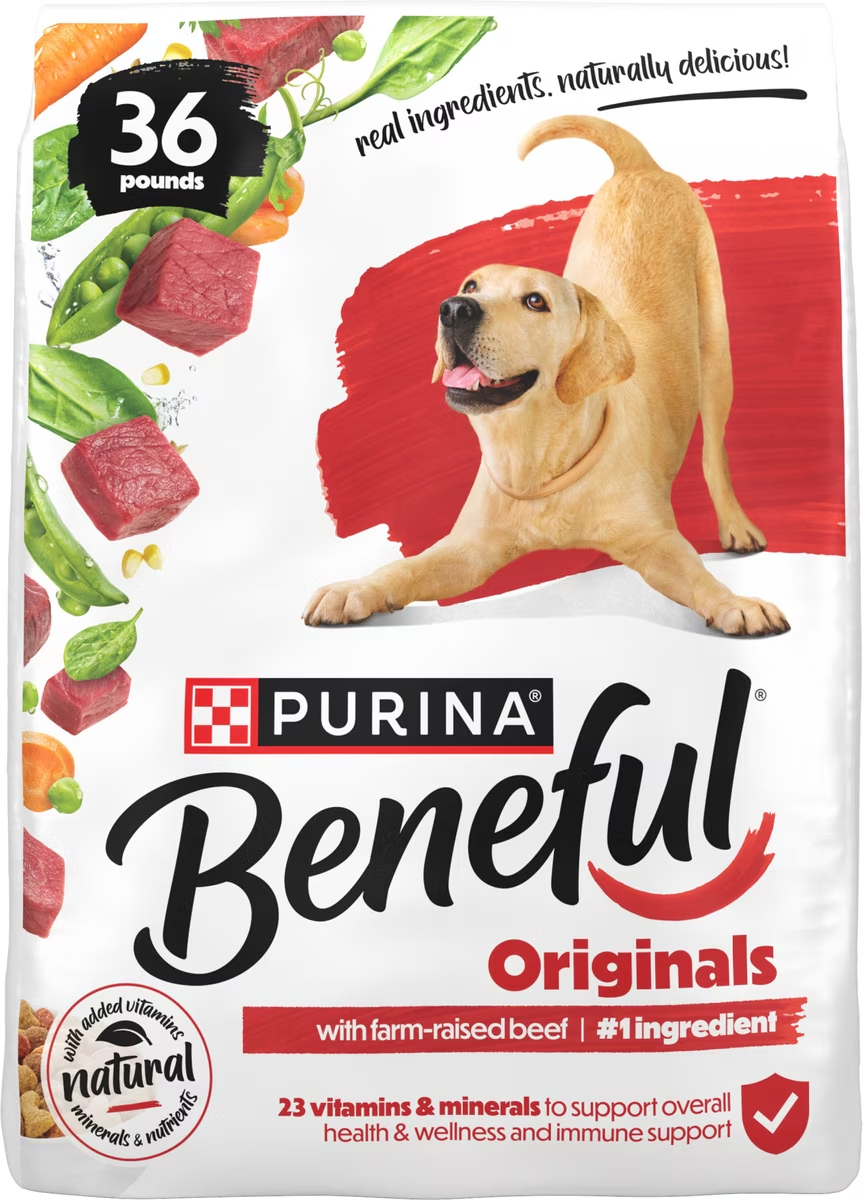
Purina Beneful Originals with Farm-Raised Beef was selected to represent the other products in the line for detailed recipe and nutrient analysis.
Purina Beneful Originals with Farm-Raised Beef
Estimated Dry Matter Nutrient Content
Protein
Fat
CarbsCarbohydrates
Beef, whole grain corn, barley, rice, whole grain wheat, soybean meal, corn protein meal, chicken by-product meal, beef fat preserved with mixed-tocopherols, egg and chicken flavor, oat meal, natural flavor, calcium carbonate, salt, mono and dicalcium phosphate, glycerin, soybean oil, dried carrots, dried peas, dried spinach, annatto color, vegetable juice (color), minerals [zinc sulfate, ferrous sulfate, manganese sulfate, copper sulfate, calcium iodate, sodium selenite], vitamins [vitamin E supplement, niacin (vitamin B-3), vitamin A supplement, calcium pantothenate (vitamin B-5), thiamine mononitrate (vitamin B-1), pyridoxine hydrochloride (vitamin B-6), riboflavin supplement (vitamin B-2), vitamin B-12 supplement, folic acid (vitamin B-9), menadione sodium bisulfite complex (vitamin K), biotin (vitamin B-7), vitamin D-3 supplement], potassium chloride, choline chloride, carmine, l-lysine monohydrochloride
Fiber (estimated dry matter content) = 4%
Red denotes any controversial items
| Estimated Nutrient Content | |||
|---|---|---|---|
| Method | Protein | Fat | Carbs |
| Guaranteed Analysis | 23% | 12% | NA |
| Dry Matter Basis | 26% | 14% | 52% |
| Calorie Weighted Basis | 23% | 30% | 47% |
Ingredients Analysis
The first ingredient in this dog food is beef. Although it’s a quality item, raw beef contains up to 73% water. After cooking, most of that moisture is lost, reducing the meat content to just a fraction of its original weight.
After processing, this item would probably account for a smaller part of the total content of the finished product.
The second ingredient is corn. Corn is an inexpensive and controversial cereal grain. And aside from its energy content, this grain is of only modest nutritional value to a dog.
The third ingredient is barley, which is a starchy carbohydrate supplying fiber and other healthy nutrients. However, aside from its energy content, this cereal grain is of only modest nutritional value to a dog.
The next ingredient is rice. Is this whole grain rice, brown rice or white rice? Since the word “rice” doesn’t tell us much, it’s impossible to judge the quality of this item.
The fifth ingredient is wheat. Wheat is another cereal grain and subject to the same issues as corn (previously discussed).
Next, we find soybean meal, a by-product of soybean oil production more commonly found in farm animal feeds.
Although soybean meal contains 48% protein, this ingredient would be expected to have a lower biological value than meat.
The next ingredient is corn gluten meal. Gluten is the rubbery residue remaining once corn has had most of its starchy carbohydrate washed out of it.
Although corn gluten meal contains 60% protein, this ingredient would be expected to have a lower biological value than meat.
And less costly plant-based products like soybean meal and corn gluten meal can notably boost the total protein reported on the label — a factor that must be considered when judging the actual meat content of this dog food.
The eighth ingredient is chicken by-products, what’s left of a slaughtered chicken after all the choice cuts have been removed.
In addition to organs, this item can also include feet, beaks, undeveloped eggs and almost anything other than prime skeletal muscle.
The quality of this ingredient can vary, depending on the caliber of the raw materials obtained by the manufacturer.
The ninth ingredient is beef fat. Beef fat (or tallow) is most likely obtained from rendering, a process similar to making soup in which the fat itself is skimmed from the surface of the liquid.
Although it may not sound very appetizing, beef fat is actually a quality ingredient.
From here, the list goes on to include a number of other items.
But to be realistic, ingredients located this far down the list (other than nutritional supplements) are not likely to affect the overall rating of this Purina product.
With three notable exceptions…
First, we find dried peas. Dried peas are a good source of carbohydrates. Plus they’re naturally rich in dietary fiber. However, dried peas contain about 27% protein, a factor that must be considered when judging the meat content of this dog food.
Next, we find no mention of probiotics, friendly bacteria applied to the surface of the kibble after processing to help with digestion.
We also note that the minerals listed here do not appear to be chelated. And that can make them more difficult to absorb. Chelated minerals are usually associated with higher-quality dog foods.
Nutrient Analysis
Based on its ingredients alone, Purina Beneful Dog Food looks like a average dry product.
The dashboard displays a dry matter protein reading of 26.6%, a fat level of 14.1% and estimated carbohydrates of about 47%.
As a group, the brand features an average protein content of 28.6% and a mean fat level of 14.4%. Together, these figures suggest a carbohydrate content of 44.1% for the overall product line.
And a fat-to-protein ratio of about 51%.
Which means this Purina product contains…
Near-average protein. Near-average fat. And near-average carbs when compared to other dry dog foods.
However, when you consider the protein-boosting effect of the corn gluten meal, soybean meal and dried peas, this looks like the profile of a kibble containing a moderate amount of meat.
Purina Dog Food Recall History
The following automated list (if present) includes all dog food recalls related to Purina through April 2026.
You can view a complete list of all dog food recalls since 2009 here.
Our Rating of Purina Beneful Dry Dog Food
Purina Beneful includes both grain-inclusive and grain-free dry dog foods using a moderate amount of named meat and by-product meals as its primary source of animal protein, thus receiving 3 stars.
About
Purina’s US headquarters is situated in St. Louis, MO, USA. Purina sources most of its ingredients from the US and produces its foods at Purina-owned facilities based in the US.
Nestlé Purina PetCare introduced Purina Beneful in 2001, marketing it as a brand focused on producing nutritious meals that resemble human foods, like stews. By 2006, Beneful was generating over $300 million in revenue. It introduced its IncrediBites range in 2010.
Compare Purina Beneful Dog Food
How does Purina Beneful compare with The Dog Food Advisor's most recommended brands?
A Final Word
The Dog Food Advisor does not accept money, gifts, samples or other incentives in exchange for special consideration in preparing our reviews.
However, we do receive a referral fee from online retailers (like Chewy or Amazon) and from sellers of perishable pet food when readers click over to their websites from ours. This helps cover the cost of operation of our free blog. Thanks for your support.
For more information, please visit our Disclaimer and Disclosure page.