
Best Grain-Free Dog Foods


DogFoodAdvisor is reader supported See how
All reviews are 100% impartial but if you buy using links on this page, we may earn a referral fee.
The best grain-free dog foods typically contain more protein than those made with grain.
But many are made with grain-substitutes that can upset the nutrient balance of the finished food. That’s because the 2 most common ingredients used to replace the corn, rice and other cereal grains found in other dog foods include…
- Potatoes
- Legumes (peas, chickpeas, lentils, soybeans, etc.)
Although both are suitable grain substitutes… legumes are also rich in protein… which is a good thing.
Yet unlike meat-based protein… plant protein can be deficient in certain essential amino acids.
Which is why we recommend the 10 grain-free foods below… where meat remains the dominant source of protein… in each formula.
Best Grain-Free Dog Foods April 2024
Here are The Dog Food Advisor's best grain-free dog food brands for April 2024.
-
1. We Feed Raw Turkey Patty

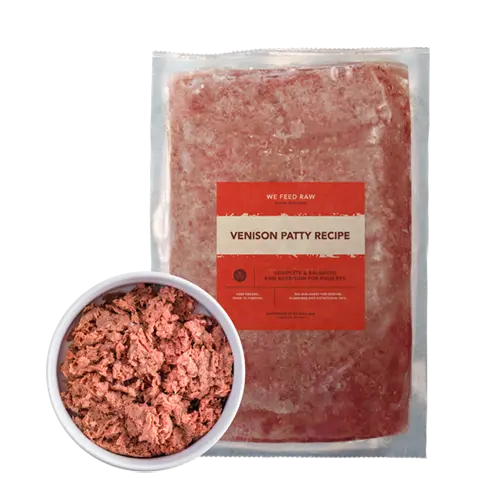
Turkey Patties is one of 6 raw frozen recipes analyzed in our review of the We Feed Raw product line.
This We Feed Raw recipe obtains the better part of its animal protein from turkey. Dry matter label analysis reveals the recipe contains 49% protein, 25% fat and 18% estimated carbs… which produces a fat-to-protein ratio of about 52%.
Read our review of the full We Feed Raw Dog Food (Raw Frozen) range here
Main Ingredients Turkey tails, turkey gizzards, turkey wings, turkey liver, wfr vitamin + mineral mix Type Grain-free Protein Percentage 49% AAFCO Standards All Life Stages Sample buyer review...
Read more buyer reviews at WeFeedRaw.com"Our family has been using We Feed Raw for years and we will continue to do so because we love it! Our dogs are healthier and happier on raw. Plus, with WFR, we know they are getting top-notch food without imbalances. Amazing company! Could not be happier!"
-
2. Wellness Core Grain-Free Kibble
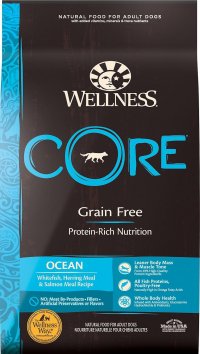
Wellness Core Ocean Formula is one of 12 dry recipes included in our review of the Wellness Core product line.
This Wellness formula derives most of its meat protein from fish and fish meal. Our dry matter label analysis reveals the recipe contains 38% protein, 17% fat and 38% estimated carbs… producing a fat-to-protein ratio of about 44%.
An exceptional protein-rich option.
Read our review of the full Wellness Core Dog Food (Dry) range here
Main Ingredients Whitefish, herring meal, salmon meal, menhaden fish meal, peas Texture Dry Type Grain-free Protein Percentage 38% Sample buyer review...
Read more buyer reviews at Chewy.com"My dog absolutely loves this food! She’s not really a fussy eater, and she’s never “rushed” to eat her food, but from the moment I put this food in her bowl, she started eating it right away! She seems very excited at meal time! I think I’ve found her “furever” food!"
-
3. Raised Right Dog Food
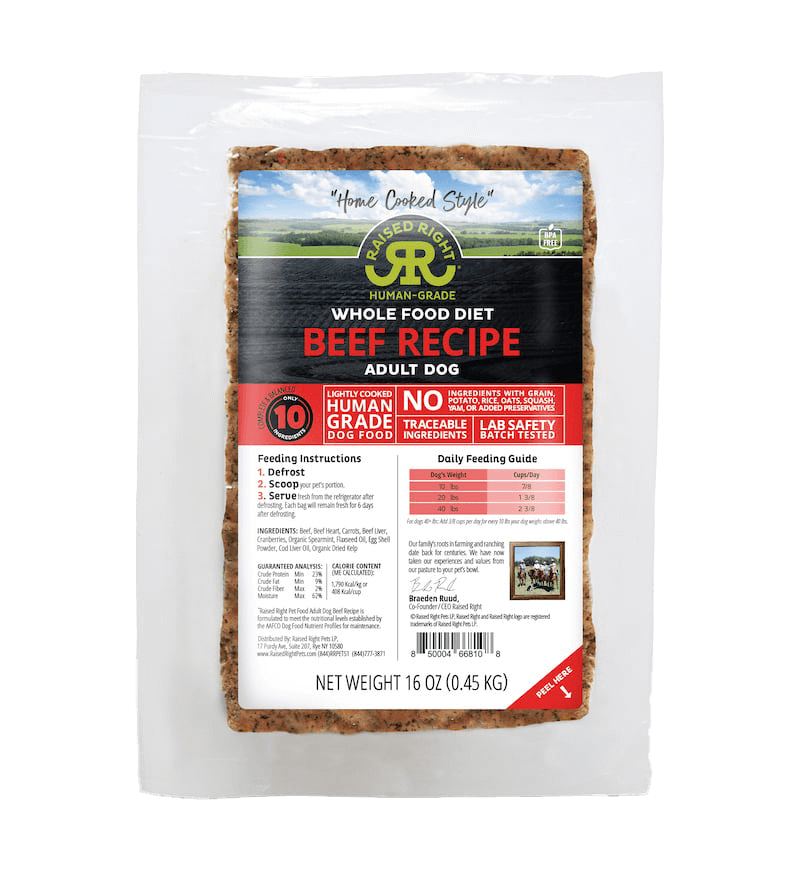
Raised Right Beef is one of 11 fresh recipes included in our review of the Raised Right product line.
Raised Right Beef derives the lions share of its animal protein from fresh beef. Dry matter label analysis reveals the recipe contains 61% protein, 24% fat and 8% estimated carbs… delivering a fat-to-protein ratio of about 39%.
One of the best fresh, human-grade dog foods on the market. Unusually wide recipe selection can be a major plus… especially for picky eaters. Highly recommended.
Read our review of the full Raised Right Dog Food (Fresh) range here
Main Ingredients Beef, beef heart, carrots, beef liver, cranberries Type Grain-free (carrots, cranberries) Protein Percentage 61% AAFCO Standards Maintenance Best For Adult dogs only -
4. American Journey Grain-Free
American Journey Beef and Sweet Potato is one of 17 dry recipes included in our review of the American Journey product line.
This American Journey formula derives most of its meat protein from beef and chicken and turkey meal. Our dry matter label analysis reveals the recipe contains 36% protein, 16% fat and 41% estimated carbs… producing a fat-to-protein ratio of about 44%.
We also note the inclusion of salmon oil, which is rich in healthy, omega-3 fatty acids. The formula also contains both “pre” and probiotics to support optimal digestion. Highly recommended, especially when you consider the budget pricing.
Read our review of the full American Journey Grain Free Dog Food (Dry) range here
Main Ingredients Deboned beef, chicken meal, turkey meal, peas, chickpeas Type Puppy, large breed, senior, healthy weight Protein Percentage 36% Sample buyer review...
Read more buyer reviews at Chewy.com"This is my go to dry food. I have a very picky dog. When we first adopted him he would not eat anything. He went for 2 days and did not eat anything! A friend recommended this and he ate a little bit. Over the next week he ate a little more each day. Now it is his daily food and I use other American Journey flavors and mix the two every now and then just for variety."
-
5. Taste of the Wild Grain-Free Dog Food

Taste of the Wild High Prairie is one of 9 dry recipes included in our review of the Taste of the Wild product line.
Taste of the Wild High Prairie derives most of its meat protein from buffalo, lamb meal and chicken meal. Our dry matter label analysis reveals the recipe contains 36% protein, 20% fat and 36% estimated carbs… resulting in a fat-to-protein ratio of about 56%.
A superior choice for your dog. Heartily recommended.
Read our review of the full Taste of the Wild Grain-Free Dog Food (Dry) range here
Main Ingredients Buffalo, lamb meal, chicken meal, sweet potatoes, peas Texture Dry Type Grain-free Protein Percentage 36% Sample buyer review...
Read more buyer reviews at Chewy.com"My fur babies love it, I bought the bag before I finished off their other food and they would inspect the bag. As soon as I cut it open and fed them, they won’t touch their other food. They know which is which and they prefer Taste of the Wild over all their food. Glad they're happy."
-
6. Orijen Grain-Free Dry Dog Food
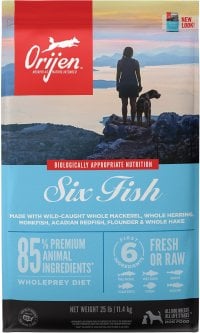
Orijen Six Fish is one of 9 dry recipes included in our review of the Orijen product line.
Orijen Six Fish derives the bulk of its animal protein from whole Atlantic mackerel and herring, as well as monkfish and redfish. Our dry matter label analysis reveals the recipe contains 43% protein, 21% fat and 28% estimated carbs… creating a fat-to-protein ratio of about 47%.
A solid grain-free product line. Enthusiastically recommended.
Read our review of the full Orijen Dog Food (Dry) range here
Main Ingredients Whole Atlantic mackerel, whole Atlantic herring, monkfish, Acadian redfish, flounder Texture Dry Type Grain-free Protein Percentage 43% Sample buyer review...
Read more buyer reviews at Chewy.com"I have always fed my German Shepherds Orijen, so when my boyfriend and I got an 11mo German Shepherd I went straight for this food again. It is the best food on the market! My dogs have always had wonderful coats and teeth with this food. The 6 fish even helps with the shedding. Our dog is protection trained and is in training for competitions so he need a high protein food to keep up with him and this brand does the trick. I love this food!!"
-
7. Dr. Tim’s Grain-Free Dog Food
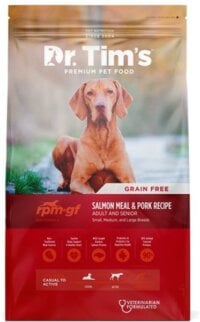
Dr. Tim’s Salmon and Pork RPM is one of 3 dry recipes included in our review of the Dr. Tim’s product line.
Dr. Tim’s Salmon and Pork RPM derives the majority of its animal protein from salmon and pork meals. Our dry matter label analysis reveals the recipe contains 36% protein, 20% fat and 36% estimated carbs… which yields a fat-to-protein ratio of about 56%.
A quality, grain-free brand. Readily recommended.
Read our review of the full Dr. Tim’s Grain Free Dog Food (Dry) range here
Main Ingredients Salmon meal, pork meal, dried white potatoes, dried field peas, tapioca Texture Dry Type Grain-free Protein Percentage 36% Sample buyer review...
Read more buyer reviews at Chewy.com"We have tried everything on the market. Our oldest female had really awful skin allergies. Then we were talking to a friend of our's that recommended this food to us. We researched it and found out it would be great for our girl and her skin allergies PLUS we have sporting retrievers that needed a good food for the protein/energy and carbs. This food has been wonderful for it all. We have raised several young dogs on this food and they did really well on it too. I cannot say enough good things about this food and what it has done for our dogs. We have 4 Labradors, an Aussie, and a small rescue dog. They all love this food! Thank you Dr. Tim's!"
-
8. Canidae Grain-Free Pure
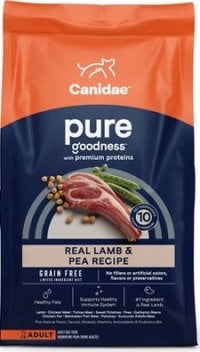
Canidae Grain-Free Pure Real Lamb and Pea Recipe is one of 10 dry recipes included in our review of the Canidae Pure product line.
Canidae Pure Real Lamb and Pea Recipe derives the majority of its animal protein from lamb and poultry meal. Our dry matter label analysis reveals the recipe contains 36% protein, 20% fat and 36% estimated carbs… producing a fat-to-protein ratio of about 56%.
A superb selection free of grains.
Read our review of the full Canidae Grain Free Pure Dog Food (Dry) range here
Main Ingredients Lamb, turkey meal, chicken meal, sweet potatoes, garbanzo beans Texture Dry Type Grain-free Protein Percentage 36% Sample buyer review...
Read more buyer reviews at Chewy.com"My dog has always been a picky eater even when she was little. Because of that, she wasn't in her proper weight category for her age and breed. I decided to make a switch to a higher quality brand of dog food than what I was feeding. This specific dog food ranks 4.5 / 5 on a popular dog food rating site. It has really good ingredients and actually costs less than most other dog food brand with the same ones. My dog absolutely loves this food. I have never seen her more excited to eat (other than for cheese or boiled chicken)."
-
9. The Honest Kitchen Dehydrated Grain-Free
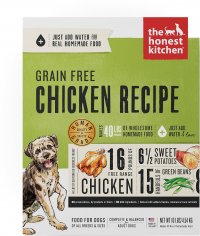
The Honest Kitchen Dehydrated Chicken is one of 8 dehydrated recipes analyzed in our review of the Honest Kitchen product line.
This Honest Kitchen formula derives most of its meat protein from dehydrated chicken. Our dry matter label analysis reveals the recipe contains 26% protein, 16% fat and 49% estimated carbs… resulting in a fat-to-protein ratio of about 63%.
Made with genuine human-grade (not feed-grade) ingredients. Nutritionally complete and balanced for all breed sizes.
After adding warm water, the product rehydrates to four times its packaged weight. So, a 10-pound box yields forty pounds of dog food. Contains no preservatives, fillers, GMO ingredients, corn, wheat or soy. Enthusiastically recommended.
Read our review of the full Honest Kitchen Grain Free Dog Food (Dehydrated) range here
Main Ingredients Dehydrated chicken, organic flaxseed, dehydrated potatoes, dehydrated sweet potatoes, dried apples Texture Dry Type Grain-free Protein Percentage 26% Sample buyer review...
Read more buyer reviews at Chewy.com"I switched my dogs from a kibble to rehydrated food. They don't have poop problems anymore, but most of all, they are not scratching as much. They LOVE it, may have to eventually switch off chicken, as it is known for some food allergies. My 3 small dogs absolutely love it and so far, no $150 per month for allergy shots.. so its worth the costs.."
-
10. Ollie Fresh Grain-Free Turkey Recipe
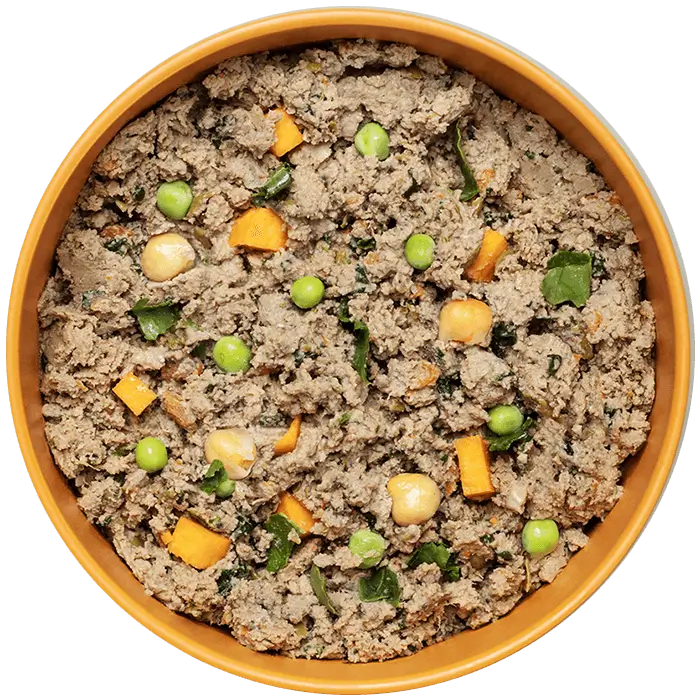
Ollie Fresh Turkey is one of 4 wet recipes included in our review of the Ollie product line.
This Ollie formula derives the bulk of its animal protein from fresh turkey and turkey organ meat. Our dry matter label analysis reveals the recipe contains 39% protein, 25% fat and 28% estimated carbs… producing a fat-to-protein ratio of about 64%.
The company designs each custom feeding plan based on your dog’s age, weight, activity level and other feeding factors… and then recommends a measured portion size, based on the number of calories needed to keep your dog at ideal weight.
The fresh, customized diet is delivered to you on a flexible schedule. It should be stored in your freezer… and then thawed (as needed) in your refrigerator.
An exceptional, grain-free option… ideal for those who want to feed a scientifically balanced diet that’s as close to homemade as you can get… yet without all the tedious work. Not cheap. Highly recommended.
Read our review of the full Ollie Dog Food (Fresh) range here
Main Ingredients Turkey thigh, pumpkin, turkey liver, turkey heart, carrot Texture Dry Type Grain-free Protein Percentage 39% Sample buyer review...
Read more buyer reviews at MyOllie.com"Our 10 year old GSD had skin issues & was refusing to eat his dry food. We made the switch to Ollie & the changes have been amazing. Dexter is no longer scratching all the time and he looks forward to his breakfast & dinner every day. He's also perkier and runs around like a puppy. We are so happy with Ollie!!"
-
11. Merrick Grain-Free
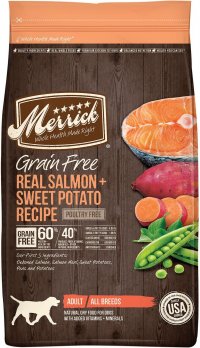
Merrick Grain-Free Real Salmon with Sweet Potato is one of 12 dry recipes included in our review of the Merrick Grain-Free product line.
Merrick Grain-Free Real Salmon with Sweet Potato derives the bulk of its animal protein from salmon and salmon meal. Our dry matter label analysis reveals the recipe contains 36% protein, 16% fat and 40% estimated carbs… creating a fat-to-protein ratio of about 44%.
A great option with multiple formulas. A top grain-free pick.
Read our review of the full Merrick Grain Free Dog Food (Dry) range here
Main Ingredients Deboned salmon, salmon meal, whitefish meal, sweet potatoes, potatoes Texture Dry Type Grain-free Protein Percentage 36% Sample buyer review...
Read more buyer reviews at Chewy.com"My Goldendoodle wasn’t really eating his other new food that I transitioned him to from puppy to adult ... read great things about Merrick and gave it a shot. My pup loves it and eats it all."
-
12. Nulo Freestyle Grain-Free
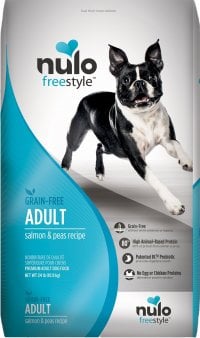
Nulo Freestyle Adult Salmon and Peas is one of 9 dry recipes included in our review of the Nulo Freestyle product line.
Nulo Freestyle Adult Salmon and Peas derives the bulk of its meat protein from salmon, turkey meal and menhaden fish meal. Our dry matter label analysis reveals the recipe contains 33% protein, 18% fat and 41% estimated carbs… yielding a fat-to-protein ratio of about 53%.
Enthusiastically recommended.
Read our review of the full Nulo FreeStyle Grain Free Dog Food (Canned) range here
Main Ingredients Deboned salmon, turkey meal, menhaden fish meal, whole peas, sweet potato Texture Dry Type Grain-free Protein Percentage 33% Sample buyer review...
Read more buyer reviews at Chewy.com"I’m a big fan of Nulo food for my four babies. Compared to other foods in the same price range it rates high. It’s nevef had a recall and it’s an award winning food. My babies love it. The kibble is small for their small mouths and they clean up every bite. No grains and all wholesome ingredients make this a winner..."
-
13. Weruva Grain-Free Canned Dog Food
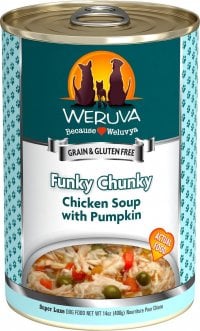
Weruva Funky Chunky Chicken Grain and Gluten-Free is one of 14 wet recipes included in our review of the Weruva product line.
Weruva Funky Chunky Chicken derives most of its animal protein from chicken. Our dry matter label analysis reveals the recipe contains 64% protein, 10% fat and 18% estimated carbs… which results in a fat-to-protein ratio of about 15%.
An exceptional, grain-free wet dog food.
Read our review of the full Weruva Dog Food (Canned) range here
Main Ingredients Chicken, chicken broth, pumpkin, carrot, green pea Texture Wet Type Grain-free Protein Percentage 64% Sample buyer review...
Read more buyer reviews at Chewy.com"We recently switched wet food because our pup was having digestive issues and the nutritionist recommended removing grain. This was definitely the perfect choice. It looks like real people food, it smells delicious and our dog loves it. Two big thumbs up!"
More Top Picks
To view more top dog foods by category… click the link below that best meets your personal feeding needs.
