
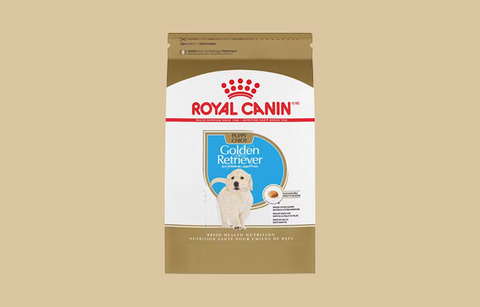
Royal Canin Breed-Specific Puppy (Dry)

Share

Rating: ★★★☆☆

The Royal Canin Breed-Specific Puppy line receives the Advisor’s mid-tier rating of 3 stars.

The Royal Canin Breed-Specific Puppy product line includes 5 dry dog foods, all claimed to meet AAFCO nutrient profiles for growth.

The following is a list of recipes available at the time of this review.

  • Royal Canin Bulldog Puppy 30 (under 12 months)
  • Royal Canin Chihuahua Puppy (8 wks to 8 months)
  • Royal Canin Yorkshire Terrier Puppy 29 (8 wks to 10 months)
  • Royal Canin German Shepherd Puppy 30 (8 wks to 15 months)
  • Royal Canin Labrador Retriever Puppy 33 (8 wks to 15 months)

Royal Canin German Shepherd Puppy 30 was selected to represent the other products in the line for this review.

Royal Canin German Shepherd Puppy 30

Dry Dog Food

Estimated Dry Matter Nutrient Content

Protein = 33% | Fat = 16% | Carbs = 43%

Ingredients: Chicken meal, rice, oatmeal, brown rice, corn gluten meal, wheat gluten meal, chicken fat, natural chicken flavor, dried beet pulp (sugar removed), sodium silico aluminate, anchovy oil (source of EPA/DHA), dried egg product, fructo-oligosaccharides, psyllium seed husk, soya oil, potassium chloride, salt, sodium tripolyphosphate, l-lysine, taurine, dried brewers yeast extract (source of mannan-oligosaccharides), dl-methionine, vitamins [dl-alpha tocopherol acetate (source of vitamin E), inositol, niacin supplement, l-ascorbyl-2-polyphosphate (source of vitamin C), d-calcium pantothenate, biotin, pyridoxine hydrochloride (vitamin B6), riboflavin supplement (vitamin B2), thiamine mononitrate (vitamin B1), vitamin A acetate, folic acid, vitamin B12 supplement, vitamin D3 supplement], choline chloride, glucosamine hydrochloride, trace minerals [zinc proteinate, zinc oxide, ferrous sulfate, manganese proteinate, copper proteinate, copper sulfate, manganous oxide, calcium iodate, sodium selenite], marigold extract (tagetes erecta l.), chondroitin sulfate, rosemary extract, preserved with natural mixed tocopherols (source of vitamin E) and citric acid

Fiber (estimated dry matter content) = 3.8%

Red items when present indicate controversial ingredients

Estimated Nutrient Content
MethodProteinFatCarbs
Guaranteed Analysis30%15%NA
Dry Matter Basis33%16%43%
Calorie Weighted Basis29%34%37%

The first ingredient in this dog food is chicken meal. Chicken meal is considered a meat concentrate and contains nearly 300% more protein than fresh chicken.

The second item is rice. Is this whole grain rice, brown rice or white rice? Since the word “rice” doesn’t tell us much, it’s impossible to judge the quality of this item.

The third ingredient is oatmeal, a whole-grain product made from coarsely ground oats. Oatmeal is naturally rich in B-vitamins, dietary fiber and is also (unlike many other grains) gluten-free.

The fourth ingredient is brown rice, a complex carbohydrate that (once cooked) can be fairly easy to digest. However, aside from its natural energy content, rice is of only modest nutritional value to a dog.

The fifth item is corn gluten meal. Gluten is the rubbery residue remaining once corn has had most of its starchy carbohydrate washed out of it.

Compared to meat, glutens are inferior grain-based proteins lower in many of the essential amino acids dogs need for life.

This inexpensive plant-based ingredient can significantly boost the total protein reported on the label — a factor that must be considered when judging the actual meat content of this dog food.

The sixth ingredient is wheat gluten meal. Like corn gluten meal (just discussed), this is yet another grain-based protein booster (meat substitute). Wheat gluten is not a quality ingredient.

The seventh ingredient is chicken fat. Chicken fat is obtained from rendering chicken, a process similar to making soup in which the fat itself is skimmed from the surface of the liquid.

Chicken fat is high in linoleic acid, an omega-6 fatty acid essential for life. Although it doesn’t sound very appetizing, chicken fat is actually a quality ingredient.

After the natural chicken flavor, we find beet pulp. Beet pulp is a controversial ingredient, a high fiber by-product of sugar beet processing.

Some denounce beet pulp as an inexpensive filler while others cite its outstanding intestinal health and blood sugar benefits.

We only call your attention here to the controversy and believe the inclusion of beet pulp in reasonable amounts in most dog foods is entirely acceptable.

From here, the list goes on to include a number of other items.

But to be realistic, ingredients located this far down the list (other than nutritional supplements) are not likely to affect the overall rating of this product.

With four notable exceptions

First, soya oil, red flagged here only due to its rumored (yet unlikely) link to canine food allergies.

However, since soybean oil is high in omega-6 fatty acids and contains no omega-3′s, it’s considered less nutritious than canola or flaxseed oils.

Next, the yeast extract mentioned here is most likely used here as a flavor enhancer.

However, the glutamic acid (and its chemical cousin, monosodium glutamate, or MSG) found in this ingredient can be controversial.

That’s because even though the Food and Drug Administration has designated these food additives to be safe decades ago1, the agency continues to receive reports of adverse effects.

So, detractors still object to the use of yeast extract and other glutamic acid derivatives and blame them for everything from Alzheimer’s (in humans) to obesity.

We’re undecided about this issue and only call your attention here to the controversy.

Thirdly, this recipe contains fructooligosaccharide, an alternative sweetener2 probably used here as a prebiotic. Prebiotics function to support the growth of healthy bacteria in the large intestine.

And lastly, this food also contains chelated minerals, minerals that have been chemically attached to protein. This makes them easier to absorb. Chelated minerals are usually found in better dog foods.

Royal Canin Breed-Specific Puppy Dog Food
The Bottom Line

Judging by its ingredients alone, Royal Canin Breed-Specific Puppy looks to be a average dog food.

But ingredient quality by itself cannot tell the whole story. We still need to estimate the product’s meat content before determining a final rating.

The dashboard displays a dry matter protein reading of 33%, a fat level of 16% and estimated carbohydrates of about 43%.

As a group, the brand features an average protein content of 33% and a mean fat level of 17%. Together, these figures suggest a carbohydrate content of 42% for the overall product line.

And a fat-to-protein ratio of about 53%.

Above-average protein. Near-average fat. And below-average carbs when compared to a typical dry dog food.

When you consider the protein-boosting effect of the corn and wheat gluten meals, this looks like the profile of a kibble containing a moderate amount of meat.

Bottom line?

Royal Canin Breed-Specific Puppy is a plant-based kibble using a moderate amount of chicken meal as its main source of animal protein, thus earning the brand 3 stars.

Recommended.

Special Alert

Rice ingredients can sometimes contain arsenic. Until the US FDA establishes safe upper levels for arsenic content, pet owners may wish to limit the total amount of rice fed in a dog's daily diet.

A Final Word

The descriptions and analyses expressed in this and every article on this website represent the views and opinions of the author.

Although it's our goal to ensure all the information on this website is correct, we cannot guarantee its completeness or its accuracy; nor can we commit to ensuring all the material is kept up-to-date on a daily basis.

Each review is offered in good faith and has been designed to help you make a more informed decision when buying dog food.

However, our rating system is not intended to suggest feeding a particular product will result in specific health benefits for your pet.

For a better understanding of how we analyze each product, please read our article, "The Problem with Dog Food Reviews".

Remember, no dog food can possibly be appropriate for every life stage, lifestyle or health condition. So, choose wisely. And when in doubt, consult a qualified veterinary professional for help.

In closing, we do not accept money, gifts or samples from pet food companies in exchange for special consideration in the preparation of our reviews or ratings.

To learn how we support the cost of operating this website, please visit our public Disclosure and Disclaimer page.

Have an opinion about this dog food? Or maybe the review itself? Please know we welcome your comments.

Notes and Updates

01/23/2010 Original review
08/27/2010 Review updated
04/11/2012 Last Update

  1. L-Glutamic Acid, FDA Select Committee on GRAS Substances
  2. Wikipedia definition
  • Pingback: Blood in poop? - Chihuahua Forum : Chihuahua Breed Dog Forums

  • Judy T

    I have noticed the Bulldog Royal Canin has different ingredients than the other puppy food.  Would this make it hard to make a decision regarding your dog if you did not own a Shepherd?

  • Pingback: What weight at 14 weeks?! - Chihuahua Forum : Chihuahua Breed Dog Forums

  • Pingback: How to Grade Your Dog's Food - Page 9 - Chihuahua Forum : Chihuahua Breed Dog Forums

  • Pingback: Puppy pooping LOTS!! - Chihuahua Forum : Chihuahua Breed Dog Forums

  • http://lnoel@lnoel.com Louise NOËL

    How I came to use Tee Tree Oil to prevent ear infections (otitis) in my dog

    I live in Montreal, Quebec, Canada. In 2002 I had a 6 and a haft years old female golden retriever named Fanny. I got her in April 1996, at the age of seven weeks. In May 1996, a few weeks after her first vaccine, she developed an ear infection, which came back many times during that summer and every summer since then, except for the last summer. The triggers seem to be the vaccine she receives or swimming, either in soft or salt water. I have been told that dog with falling ears are more subject to develop ear infections because their ears are less exposed to the drying quality of air. The inside of ears stays constantly humid and this environment is favourable to recurrent ear infections. The hot and humid temperature of summer increases this situation which could explain why all of Fanny’s ear infections have happened in the summer. It seems that after a dog has had a first ear infection, she is more susceptible to have more, even if the first was well treated with antibiotics.

    Until spring of 2002, each time Fanny had an ear infection, I treated her with the antibiotic prescribed by the veterinary. This medication is excellent to cure ear infections. However it can’t be use as prevention and it has a disadvantage: it is an oily product that stick to the hairs of the dog’s ears and then spread to the hairs of the head and neck. When the dog plays outside, dust and dirt also stick to this oily stuff. After a few days the dog’s head gets very dirty and must be wash. I have tried alcohol to clean the hairs with little success. Moreover the repetitive use of an antibiotic (in Fanny’s case: 2 – 3 times each summer!) seems to me questionable, without taking into account the cost implied. It is know that bacteria develop with time a resistance to antibiotics. I am afraid that this antibiotic being use very often will become less and less effective. And anyhow, I think preferable on the medical and social perspective to limit as much as possible the utilisation of antibiotics: they become less and less effective, they must be replaced constantly and this is dangerous for the animal as well as the human health.

    For all the reasons mentioned before, I was very happy when I came upon an article by Jonathan Margolis titled L’huile miracle (The Miracle Oil) in an issue of the October 2001 Reader’s Digest (French Canadian edition, pp.: 96 – 100). This article described the antiseptics effects of Tee Tree Oil for a variety of infections. I decide to try it as prevention for Fanny’s recurrent ear infections.

    Many companies produce Tee Tree Oil and it comes in various presentations.
    After a research on Internet, I chose a company which produces are available in the health stores of the city where I live: Montreal (Quebec, Canada).
    I then e-mailed this company to ask if this produce could be useful in Fanny’s case or, in the contrary, if it could be harmful. In their answer they cited Cynthia Olsen in her book First Aid Handbook – 101 Plus ways to use Tee Tree Oil who recommend this produce for ear infections. (Note that I do not know Ms Olsen and that I have not read her book.)
    Ms Olsen suggest mixing pure Tee Tree Oil with olive oil before putting it in the ear. However I did not want to use oil because I did not want to use a produce that would make the hair oily (See the part: How I tried to solve this problem until spring of 2002.)
    Since I was afraid that the use of pure Tee Tree Oil would cause irritation in the ears, I chose a Water soluble solution with 15% Tee Tree Oil with lavender (Optional – lavender also has antiseptics qualities):
    Being water-soluble this lotion can be mix with the liquid that I use regularly to clean Fanny’s ears. This liquid does not make the hairs oily.
    With lavender, this lotion has a very pleasant odor. Without lavender, the Tee Tree Oil odor is good too.
    This solution is offered in two size: 10ml (about 6.75$ Canadians) and 50ml (about 13.45$ Canadians). So it was possible to try it at minimum cost.

    How I used it
    In a small dark glass bottle,
    I put about ⅓ (1 volume) of tee Tree Oil,
    For ⅔ (2 volumes) of cleaning liquid (Bought from the veterinary).
    The result is a lightly milky liquid. It is important to use a dark glass bottle to protect the mix from the light. Jonathan Margolis in his article mentioned that Tee Tree Oil can lose it’s efficacy if it is not sold in dark glass containers, kept out of light’s way in the house and rapidly used once open.

    Since what I wanted was a preventive effect and that one of Fanny’s ear infections trigger is the vaccines she receive each spring, I started the application of the mix about two weeks before she received those vaccines, in the beginning of April 2002.
    I applied the mix every two days.
    I applied the content of about one dropper in each ear.
    Since swimming is another trigger, I applied the mix every evening of the days where Fanny went swimming.
    In August, we spent two weeks at the lake and during this period she swam every day. I cheeked her ears every day and, when I saw some redness, I applied the mix twice a day.
    Back from those vacations, for one or two weeks, I had to continue the twice a day application.
    In October 2002, I was back to an application every two days.
    Note that I have tried to use the Tee Tree Oil lotion by itself. The result was not as satisfactory. The mix of the Tee Tree Oil with the cleaning liquid is better because the ears stay cleaner.
    On the other hand the cleaning liquid alone does not prevent ear infections in Fanny. I have tried it before with no success.

    Results
    NO EAR INFECTIONS THREW ALL SUMMER!
    The ear hairs do not become oily or dirty.
    I am completely satisfied.
    I have use this process until Fanny’s death in January 2010 at 14 years old with the same good result. I did not have to use antibiotics for this problem again.

    Warning
    I am a dog owner only. I have no formation in veterinary medicine or in any other allied sciences. I have tried the 15% Tee Tree Oil water-soluble solution with lavender and it worked on my dog the way I have described in this text. I did not observed any negative secondary effect on my dog. This is not a guaranty that this produce will function for other dogs with the same problem. Also, this is not a guaranty that this produce could not be detrimental.

    I am very happy to have found this way to prevent ear infections in my dog and I am please to share it with you. However, if you decide to try this produce yourself, It will be at your own risks. I decline all responsibility.

    I have no financial or other interest in this produce or in the companies mentioned here.

    Louise Noel

  • http://DogFoodAdvisor.com Mike Sagman

    Hi Sandra… Have you tried going grain-free? You may want to read my previous post about “Dangerous Canine Diseases Linked to Grains in Dog Food“. Be sure to read the whole article… especially the part about mites and their causal relationship to atopic dermatitis.

    If you decide to make the switch, be sure to do so very gradually and with your pet’s blessing. Hope this helps.

  • Sandra Kay

    As you may remember our “Eli Red” standard poodle puppy is now 10 months old. For the past 2-3 months he has had an on-going (comes and goes) ear infection. The same condition occured in our last (2) standards during this same time of life. The groomer sterilizes the ear hair pulling equipment between each dog. It seems to me that the Vet doesn’t use enough or the right kind of treatment ($150 per visit) to get ride of the ear infection (fungus and bacteria) until it lingers. I believe they don’t want to use drugs over a prolonged period of time, cut treatment off after a week or two and the infection re-surfaces, even though the ears are being kept clean and dry each day.
    This last visit the Vet suggested that it might be the food we are feeding (a mixture of dry and canned Ultra Puppy and Wellness puppy/turkey/chicken/sweetpotatoe). I don’t want to switch to a lower quality food. Our Vet also sells the Science Diet products, so I am suspecious of a suggestion to switch foods as a potential cure.
    With our other (2) dogs we feed them junk grocery store food because we didn’t know any better and they had the same ear infection problem from 7-12 month of age.
    Any suggestions?