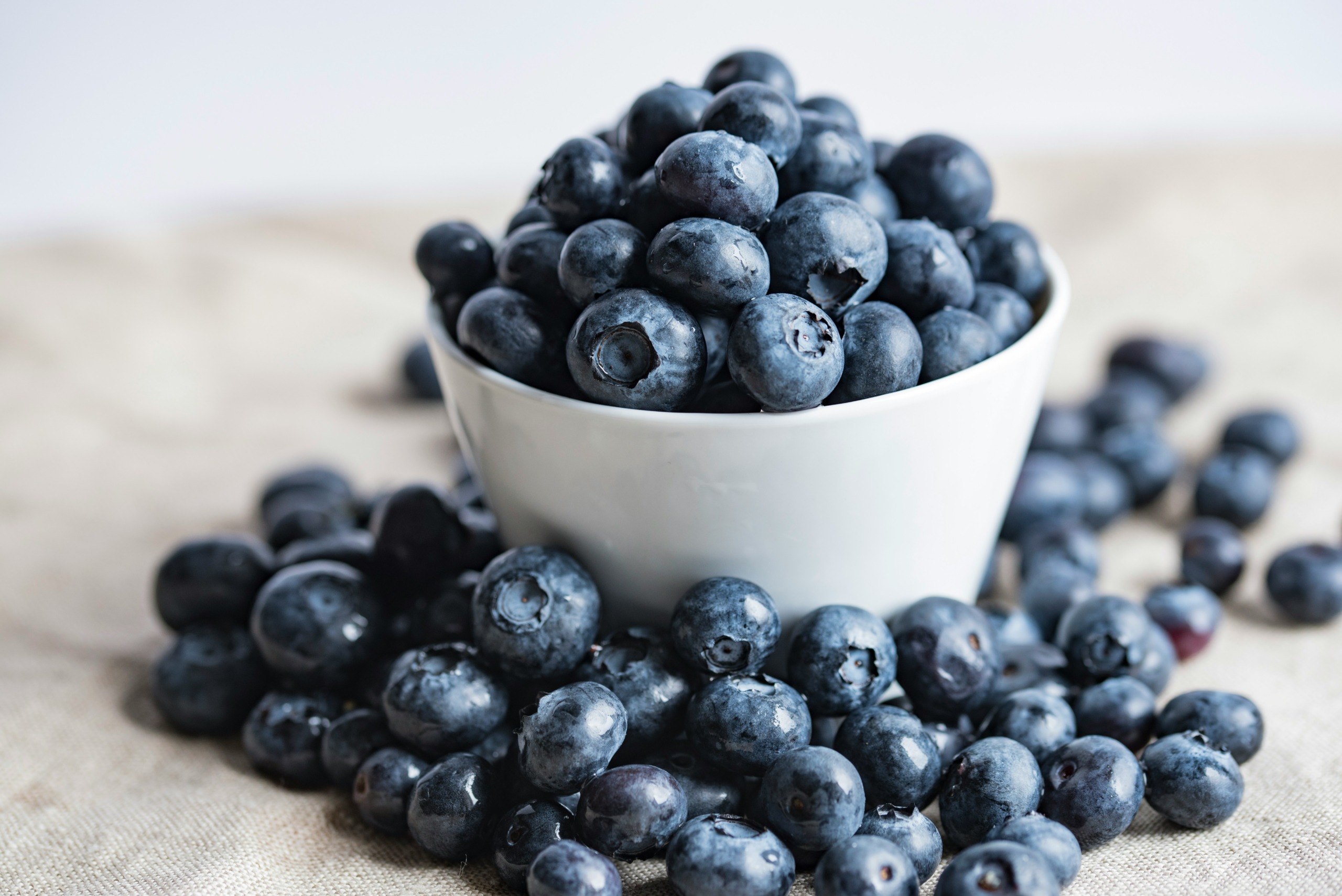
Blueberries are a tiny fruit bursting with health benefits for us humans. However, sometimes what’s good for us isn’t always safe for our dogs. Can dogs eat blueberries? And if so, how many blueberries can you give your dog?
The good news is that yes, dogs can eat blueberries. They’re a safe and healthy treat in moderation, but, as with most human foods, there are some precautions and guidelines to keep in mind. Read below to find out more.
Are blueberries good for dogs?
Unlike grapes, which are toxic to dogs, blueberries can be a healthy, low-calorie snack. They’re packed with antioxidants, fiber, and vitamins C and K, all of which can support your dog’s overall health. Plus, they’re a natural source of hydration, making them a great option for a refreshing treat on a hot day.
Blueberries should be treated as an occasional snack and offered in moderation. While they’re healthy, too many can cause an upset stomach or digestive issues, particularly in smaller dogs. If it’s your dog’s first time trying blueberries, start with one and watch for any adverse reactions.
Feeding your dog blueberries
How can I give my dog blueberries?
Sure, there’s the standard fresh blueberry, but the fruit also comes frozen, mashed, dried, as well as mixed in yoghurts, pastries, smoothies, and more. Here are the best ways to feed your dog the blue snack:
Fresh: Treat your dog to fresh, washed blueberries, free from stems.
Frozen: Frozen blueberries can be a fun, crunchy, refreshing treat, especially on hot days.
Mashed: Mash up the blueberries and mix a small amount into your dog’s regular food for a healthy flavor boost.
Dried: If you have a dehydrator at home, you can make your own dried blueberries for special treats. Just be sure to give your dog a little less than the recommended amount, as dehydrating concentrates the sugars. You can also buy pre-made dried blueberry dog treats.
Can dogs eat blueberries raw?
Yes, dogs can eat blueberries raw. In fact, raw blueberries are a great way to preserve all the natural nutrients. Just make sure to wash them thoroughly and remove any stems.
Can all dogs eat blueberries?
Most dogs can safely enjoy blueberries, but there are a few exceptions to keep in mind:
Diabetic dogs: While blueberries are lower in sugar than many fruits, dogs with diabetes should only eat them under veterinary guidance due to their natural sugar content.
Dogs with sensitive stomachs: Some dogs may experience mild digestive upset when first introduced to blueberries. Start with just one or two berries and monitor your dog’s reaction.
Weaning puppies: Blueberries are suitable for puppies after weaning (~12 weeks +, late growth).
Dogs with allergies: Though rare, some dogs may be allergic to blueberries. Watch for signs like itching, swelling, or digestive issues.
Can dogs eat blueberry muffins?
No, dogs should not eat blueberry muffins. While the blueberries themselves are safe, muffins contain ingredients that can be harmful to dogs:
High sugar content can lead to obesity and dental problems
Artificial sweeteners like xylitol are toxic to dogs
If you notice any of these symptoms, stop giving blueberries and consult your veterinarian.
What fruits are toxic to dogs?
Most fruits are safe for your dog to eat in small quantities. However, pet parents need to be careful of stones, seeds, pits, leaves, and cobs as they can cause problems for dogs.
Fruits such as plums, peaches, cherries, and mangos are OK for dogs but the stones aren’t safe. Remove the middle or cut off a small slice if you wish to give your dog a taste. Other fruits such as apples, pears, and tomatoes are also ok if you remove the seeds and the core.
Avocados aren’t highly toxic to dogs, but the leaves, bark, and skin can lead to vomiting or indigestion as they contain a natural antifungal compound called persin. Avocado is also high in fat so only a little bit of the fruit is recommended and of course, guacamole is a no-no due to the extra ingredients.
Grapes and raisins, as mentioned, should be avoided as they are toxic and cause liver issues but generally, a small piece of fruit is fine for your dog.
Pet parents across the United States may be eligible for compensation following a $5.5 million class action settlement with Mid America Pet Food LLC, the Texas-based manufacturer behind several popular brands, including Victor Super Premium, Wayne Feeds, Eagle Mountain, and Member’s Mark.
Background: Salmonella Recalls in 2023
In September, October, and November 2023, Mid America Pet Food issued multiple recalls after the FDA identified potential Salmonella contamination in products manufactured at its Mount Pleasant, Texas facility.
September 3, 2023: Initial recall announced
October 30, 2023: Expanded recall of Victor Super Premium Dog Food (Select Beef Meal & Brown Rice Formula)
November 9, 2023: Further expansion to include additional recipes across Victor, Wayne Feeds, Eagle Mountain, and Member’s Mark brands
The lawsuit alleged that contaminated food caused illness and even death in pets, while some humans handling the food also became sick. Mid America Pet Food denies wrongdoing but agreed to settle to avoid further litigation.
Who Is Eligible?
You are part of the settlement class if you:
Purchased recalled Mid America Pet Food products between October 31, 2022 and February 29, 2024
Bought one or more of the affected brands listed in the official recall notices (Victor, Wayne Feeds, Eagle Mountain, Member’s Mark)
Reside in the United States
Excluded parties include resellers, company officers, and individuals who previously settled directly with Mid America. A full list of covered products can be found on the settlement website.
Types of Claims
The settlement allows for two categories of claims:
Consumer purchase claims:
With proof of purchase → 100% reimbursement of the purchase price
Without proof → flat payments (typically $40+)
Pet injury claims:
With documentation (vet records, invoices) → reimbursement of losses up to $100,000
Without documentation → up to $50 for pets that became ill, or $100 for pets that died
Breeders may also file claims for documented business losses up to $100,000.
Bottom line: If you purchased Victor, Wayne Feeds, Eagle Mountain, or Member’s Mark dog food during the recall period, you may qualify for compensation under the $5.5M settlement. Filing a claim ensures both your pet’s safety concerns are acknowledged and your consumer rights are protected.
Thanks to their rod-dominated retinas, dogs can already see well at night. This is due to the photoreceptor cells being designed to see better in the dark rather than in the daylight.
So in terms of carrots helping dogs see in the dark, the benefits would be negligible.
However, in terms of benefits for dogs’ health in general, carrots tick many boxes.
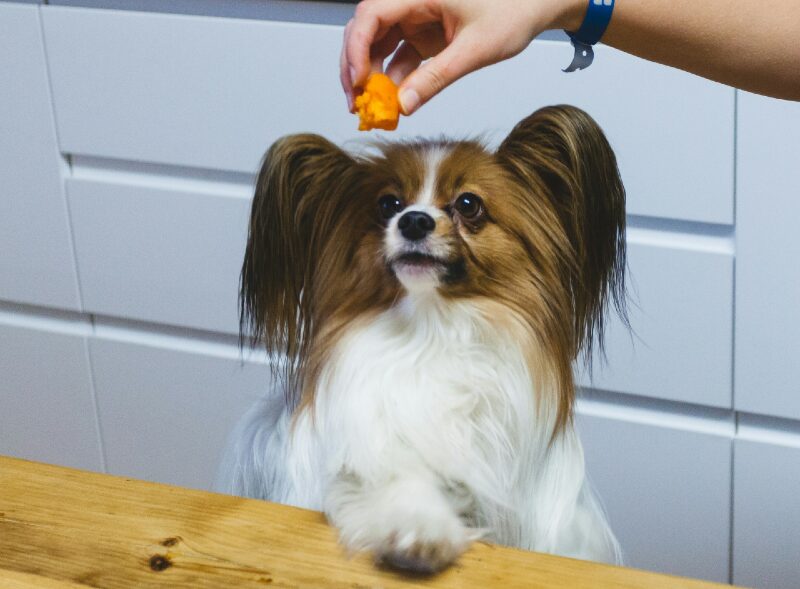
The main box they tick is that, yes, dogs can eat carrots. In fact, experts recommend feeding carrots to your dog. They are totally safe and non-toxic, and provide multiple health benefits including vitamins and nutrients.
We’ll look at these benefits in more detail below:
What are the benefits of carrots for dogs?
Vitamins and minerals
Carrots contain a range of nutrients. These include vitamin K to aid blood-clotting, vitamin C and other beneficial compounds that support overall health. They are also rich in potassium and vitamin B6.
Beta-carotene
Carrots contain high amounts of beta-carotene, which is thought to boost immune function.
Fiber
The soluble in carrots helps with digestion and regular bowel movements. This can be of particular benefit to dogs with digestive sensitivities or if you’re dog’s passing loose stools in terms of adding bulk.
Carrots contain a combination of soluble and insoluble fibers which support digestive health. Soluble fibers help support the gut microbiome, while insoluble fibers add bulk to the stool.
Carrots are so well-known for their digestive benefits that in Europe you see “carrot soup” type products designed to support dog digestion.
In addition, like many other vegetables, carrots don’t contain many calories, making them an ideal healthy treat for dogs, especially those who are watching their weight.
Their crunchy texture also serves as nature’s toothbrush, helping to scrape plaque and tartar off your dog’s teeth, promoting better oral health. Many dogs love this crunchy texture, and although the vegetable may help support dental health in some cases, it depends on the dog, how they eat the carrots and how small the carrots are served. The veg shouldn’t be relied on as the only means of cleaning teeth.
The main risks when feeding carrots to your dog is choking – the root vegetable can be a choking hazard if you don’t cut them up small enough. If you give your dog a whole carrot to gnaw on, ensure you supervise them as they eat.
Another risk with carrots is overfeeding — carrots contain sugar, and too many could possibly result in weight gain, so dogs with diabetes should watch their intake.
In addition, as with any food, carrots may cause stomach upset or an allergic reaction in certain dogs.
There are a number of safe ways to prepare carrots to give to your dog:
Puréed
A great way to feed carrots to puppies or senior dogs with digestive issues, puréed carrot is easy to consume and the perfect vehicle in which to hide medication if needed.
Steamed or boiled
As the veg is softened via the cooking process, this is a good option for senior dogs or dogs lacking teeth. If over-cooked, though, you may lose some of the nutritional benefits. Refrain from adding any extras such as salt, seasoning or butter.
Raw
As mentioned above, raw carrots are great due to their abrasive teeth-cleaning properties. Just ensure you chop them into small pieces before serving to your pup.
You can use carrots as healthy training treats or rewards, as well as adding to meals as a topper.
You may have read online, or heard someone tell you as a dog parent, “Did you know, euthanized cats and dogs are used to make dog food?”
Indeed, we’ve long had an article on this site asking whether this might be true, based on an old video of uncertain origin, in which the then AAFCO president suggested there was little to stop cats and dogs ending up in pet food — theoretically. This is an update of that article, based on facts.
Note, at no point did he suggest this ever happened. And, more importantly, since that video — estimated to be from 1998 — both regulation and scientific studies show that the answer to the question “Do they use dead dogs and cats to make pet food?” is no. Although not everything is rosy, which we’ll come to later.
So why has this urban myth about dead cats and dogs in pet food been perpetuated? No smoke without fire? A mistrust of dog food companies?
It persists in no small part because, on several separate occasions, dog food testing has found positive traces of an animal euthanasia drug.
This has led worried commentators to assume this drug ended up there via the rendered remains of dogs or cats euthanized by vets at animal shelters, which then somehow made their way into dogs’ kibble.
We decided it was time to examine these rumors properly and correct some of the more worrying information flying around the internet.
“The surveys represent a snapshot in time, and no conclusions about dog food in general can be made. For reasons described above, the survey information does not predict the likelihood of pentobarbital in a particular brand of dog food on the market today or in the future.”
Another controversy occurred in 2017 and 2018. This was triggered by the discovery of pentobarbital in certain batches of dog food following the death of a pug, which had consumed canned food from Evanger’s containing traces of the drug [3. https://www.researchgate.net/publication/329269773_Pentobarbital_in_dog_food].
There were also voluntary recalls issued by JM Smucker after low levels of pentobarbital contamination were identified from beef fat in its Gravy Train, Kibbles N Bits, Ol’ Roy and Skippy canned wet food.
The levels were not high enough to “pose a threat to pet safety”, according to JM Smucker Co. spokesman Ray Hancart in a statement released at the time.
How can pentobarbital get into pet food?
The drug pentobarbital is used mainly to euthanize animals, so the main way it enters the pet food chain is via rendered animal products — where waste animal tissue and carcasses are converted into materials that can be used in animal feed at extremely high temperatures. The drug appears to be able to survive the rendering process.
As pentobarbital is used to euthanize dogs and cats, some people have assumed that the reason testing has found it present in pet food was via rendered euthanized dogs and cats.
As a result, it’s presumed in this case that the drug entered the pet food chain via euthanized cattle and/or horses, which at that point was unrestricted when it came to rendering.
“The results demonstrated a lack of correlation between species identity and the presence of pentobarbital in dog food. They also provide evidence against the presumption that euthanized pets are routinely rendered and used in pet food.”
However, it appeared that pentobarbital from euthanized cattle or horses was still being given to pet food manufacturers in tallow from external suppliers.
What is the current law regarding pentobarbital in dog food?
A spokesperson for the FDA told Dog Food Advisor: “There is currently no set tolerance for pentobarbital in pet food and FDA considers pet food containing pentobarbital residues to be adulterated under the Federal Food, Drug, and Cosmetic Act (FD&C Act). Pentobarbital residues are not affected by rendering or canning temperatures and pressures [such as heat treatments capable of killing pathogenic organisms].”
What this means is that there is no acceptable amount of pentobarbital in pet food. Whereas some substances, such as mycotoxins, are allowed in pet food at very low levels, pentobarbital is completely forbidden.
The spokesperson continued: “There are several different players connected to the issue of pentobarbital in animal food, including livestock producers, horse owners, veterinarians, renderers, haulers, and animal food manufacturers, and each has a role in preventing pet food contamination from pentobarbital residues.
“In general, pet food manufacturers are responsible for taking appropriate steps to ensure that the food they produce is safe and properly labeled. One way a manufacturer can do this is by verifying the identity and safety of the ingredients they receive from their suppliers.”
The FDA believes that the Food Safety Modernization Act (FSMA) requirements for animal food manufacturers help prevent contamination, including pentobarbital contamination.
“The FSMA requires certain animal food facilities to create and implement a food safety plan, including an analysis of potential hazards and determining if there are hazards requiring preventive controls to reduce or eliminate those safety hazards,” added the spokesperson.
All pet food manufacturing firms had to meet these standards by 2019.
Following the 2017 and 2018 pet food product recalls due to the presence of pentobarbital outlined above, the FDA communicated that no level of pentobarbital in pet food is acceptable. As a result, the agency encouraged stakeholders to work together to investigate the issue and determine appropriate solutions.
“Since that time, the FDA is not aware of any subsequent incidents with pentobarbital contamination of pet food,” said the spokesperson.
Other injectable methods used include intrathecal lidocaine and magnesium sulphate.
Lidocaine is sometimes used to euthanize horses — a 2016 study found that lidocaine in horse carcasses provided a “low risk of toxicity for carnivores and scavengers that might consume muscle tissue from a carcass” [10. https://onlinelibrary.wiley.com/doi/full/10.1111/jvim.14372]. The study also found that lidocaine was used post-anesthesia, so in this case xylazine hydrochloride, midazolam hydrochloride, and ketamine hydrochloride were also used. Residues of these drugs were found in the carcass, but at levels “lower than those likely to cause sedation or toxicity if ingested”.
Magnesium sulphate — essentially Epsom salts in a saturated concentration — presents no issues with carcass disposal.
Either way, most cattle are euthanized via gunshot (see below), so any euthanasia drugs — especially following the FSMA — should not be making their way into the pet food chain.
Should you worry about euthanized pets being in your dog’s food?
The short answer is no.
However, as reported above, there have been a number of cases where euthaniasia drugs have been detected in dog food.
As a result of the FDA guidance, in August 2019, the National Rendering Association (NRA) sent a letter requesting veterinarians help when it came to euthanising livestock. In order to stop euthanasia drugs entering the pet food chain following the FDA ban on any drugs being allowed in pet food, the association requested vets use other means to euthanize livestock, such as “such as captive bolt or gunshot” [11. https://www.in.gov/boah/files/Rendering_Prevent_Pentobarbital_Residues_Aug2019.pdf].
They also request that if pentobarbital is used, that the carcass is marked and identified, so it does not get rendered for pet food.
As a result, some rendering companies have made changes to their process, including no longer accepting horse mortalities for rendering and requiring raw material suppliers to sign a barbiturate hazard control warranty before collection.
These new FDA rules also changed the way rendering suppliers processed euthanized cattle, thereby reducing the chance of pentobarbital entering pet food manufacturers’ recipes.
It’s also worth noting at this point that if pentobarbital does make its way into pet food via a cow carcass, the affected material is spread across large quantities during the manufacturing process, making it less potent as it’s diluted to a point where no adverse effects are experienced by any animals that consume the food.
Measures such as this have helped reduce the risk of pentobarbital entering the pet food chain, meaning your dog is at a much lower risk of consuming any food from cattle euthanized with pentobarbital.
It also means that, despite some websites claiming otherwise, your dog’s food does not contain dead pets.
How well do you know your dog? As a pet parent, the answer to that is likely “very well”. No one knows your dog better than you. You know their behavioral quirks and habits, all their favourite sniffs and snacks. But what you might not know are the secrets in your dog’s genetic code — the DNA clues that could tell you whether your dog is at risk of developing a specific serious illness or life-threatening health condition.
DNA testing can provide a fascinating glimpse into your dog’s genetic health. The insights from a DNA test can lead to important early treatment for a health condition before symptoms are even displayed, and inform decisions over what to feed your dog.
For example, if you knew your dog carried a gene for Copper Storage Disease, which can be managed by switching to a low-copper diet, you can make a recipe change for your dog which benefits his or her health.
Dog Food Advisor spoke with Dr. Robin Everts, PhD, Head of Research & Development at AlphaDog DNA to highlight the importance of DNA testing. AlphaDog DNA screens for 400+ traits in one simple test — unlocking unique insights into your dog’s genetic code.
What can DNA testing reveal about your dog’s genes?
DNA testing identifies the genetic traits your dog has — including health and disease risks, behavior, performance, appearance, coat color and more. It can be particularly important in revealing hidden genetic conditions that your dog carries a heightened risk of developing. These can include:
Copper Toxicosis(aka CSD or CAH)
Dilated Cardiomyopathy (DCM)
Degenerative Myelopathy (DM)
Cystinuria
Obesity
Can dog DNA testing prevent deadly health conditions?
Copper Toxicosis
Copper Toxicosis, also known as Copper Storage Disease (CSD) or Copper-Associated Hepatopathy(CAH), can cause fatal liver damage, but some dogs don’t show any symptoms until they become seriously ill — by which time it can be too late. The liver stores copper so it can be used for important functions around the body, with excess copper removed via bile. But, if a dog’s body can’t eliminate excess copper quickly enough, toxins build up; inflammation, damage and ultimately cirrhosis occurs.
One gene known to be associated with this condition is called ATB7B.
“We know that dogs with two copies of this gene are at 2.5-fold higher risk of copper toxicosis,” reveals Dr. Everts. “But even if your dog has only one copy, they still have an increased risk of about 1.5-2 fold compared to dogs with none.”
Dilated Cardiomyopathy (DCM)
Dilated Cardiomyopathy (DCM) is a serious heart condition. With DCM, symptoms can include labored breathing and tiredness — but sometimes, there are no symptoms and DCM triggers sudden death.
DCM is often inherited, so DNA testing can highlight the risk that might otherwise go completely unnoticed.
“There are 3 genetic variants for DCM that we test for,” says Dr. Everts. “Two of these come from the Dobermann Pinscher line, with variants on the TTN and PDK4 genes. As these are inherited in a dominant fashion, we know that, if your dog has one or more genetic variants, they have over 80% chance of developing DCM.
“The other DCM variant comes from the Schnauzer line,” continues Dr. Everts. “This is a variant of the RBM20 gene. We know that dogs who have two copies of this variant — that’s one copy from each parent — have over 95% chance of developing DCM. Luckily, dogs with only one copy have less than a 1% chance, though it’s worth knowing their risk if you’re hoping they’ll have puppies.”
If your dog has DCM variants in their DNA, a diet to deliver optimal nutrition for heart health is critical. A food with high-quality, meat-based protein is recommended, with Dog Food Advisor’s pet nutritionist, Laura Ward, advising recipes should include essential amino acids, taurine and carnitine.
“Providing complete nutrition and carefully balanced vitamins and minerals supports good heart health, so choosing a complete and balanced diet would be my first step,” says Laura.
“Other nutrients have also been studied in relation to heart health,” continues Laura. “Amino acids, such as Taurine and L-carnitine, omega 3 fatty acids DHA and EPA, and antioxidants play a role. Ask your dog food manufacturer about these nutrient levels in your dog’s food. Levels can also be boosted through supplementation, and as these aren’t stored nutrients supplementation doesn’t carry the risk of oversupply and toxicity as it does with some vitamins and minerals.
“Some breeds, such as Golden Retrievers and Cocker Spaniels are thought to require greater quantities of dietary Taurine and L-Carnitine. Checking dietary quantities and supplementing these nutrients ensures the elevated requirements are reached, and helps to avoid deficiencies”.
DNA testing can also check for other potentially serious health conditions, including Degenerative Myelopathy — which is incurable but can be managed — and Cystinuria. It can also highlight a risk of obesity.
Degenerative Myelopathy (DM) affects the spine, leading to progressive weakness in the limbs, balance and walking — and eventually complete paralysis. The variant for DM is commonly found in German Shepherds, but also Pembroke Welsh Corgis, Pugs, Spaniels, Retrievers and Corgis.
While there’s sadly no cure for DM, a DNA test can help to identify a variant early and enable a pet parent to help their dog stay healthy for as long as possible — which includes maintaining a healthy weight and keeping your pup active.
“If your dog inherits two copies of the mutated SOD1 gene — one from each parent — they’re at high risk of developing DM,” says Dr. Everts. “This variant causes your dog’s body to make a substance toxic to their own motor neurons, meaning they degenerate over time.
“Since this variant is recessive, if your dog has just one copy, they’re less likely to develop DM,” says Dr. Everts.
“There’s also a variant, specific to Pembroke Welsh Corgis, that increases the risk of early onset DM. This is when dogs show signs of DM before two years of age. We also test for this at AlphaDog.”
Cystinuria
Cystinuria perhaps isn’t a well-known condition — to many pet parents at least — but it can be a painful one for your pup if it’s not diagnosed early and left untreated. It can cause sharp crystals to form in your dog’s pee, which can then lead to infections, kidney failure and even blockages that can be life threatening.
“When everything is working properly, your dog’s kidneys filter out an amino acid called ‘cystine’ from their urine,” says Dr. Everts. “But if your dog has a mutation in either the SLC3A1 or SLC7A9 genes, their kidneys don’t do this job properly.
“Over time, these dogs get a build-up of cystine in their urine, and this clumps together to form jagged crystals.”
Cystinuria is often an inherited condition though, which means a DNA test can indicate whether your dog is at risk of developing it.
“We test for 6 genetic variants that have been associated with cystinuria,” says Dr. Everts, “and we give pet parents an accurate assessment of their dog’s risk of developing cystinuria based on their full profile, be that high, medium or low.”
If tests show a genetic risk of cystinuria, simple dietary changes can make a positive difference. Switching to a low-sodium, low-protein prescription diet can prevent acidic crystals forming, and keeping your dog well hydrated with plenty of fresh water can dilute your pet’s pee. Again, this can prevent potentially painful crystals from forming.
Dog obesity — identifying the risks
Obesity can be a big issue for some dogs, and it can certainly affect their health. Labrador Retrievers are a breed known for being at risk of obesity — but were you aware that DNA testing can highlight a genetic variant that contributes to weight problems?
“A full 25% of labradors and up to 60% of flatcoated retrievers have a genetic variant called POMC,” says Dr. Everts. “It causes both a feeling of constant hunger, plus reduced calorie burning at rest. So it’s closely linked to weight gain.”
“Since the POMC variant is dominant, even having just one copy puts your dog at significant risk of obesity,” says Dr. Everts. “Though if they have two copies, they’re at even greater risk — it’s a cumulative effect. That’s why our DNA tests let pet parents know how many copies of this gene their dog has, and what their corresponding risk is for obesity.”
An early flag for POMC means a pet parent can do two things: understand your dog’s behavior around food and manage how and what the dog is fed. That includes portion control — Dog Food Advisor’s Dog Food Calculator is helpful here — reducing treats and snacks outside meals, and ensuring your dog gets regular exercise.
You may also choose to switch to a dog food recipe that can help with weight loss, or a low fat recipe.
Should you get a dog DNA test?
So, let’s ask the question again: how well do you know your dog? As we’ve learned, not as well as you might, particularly when it comes to potential medical conditions.
This isn’t to say you need to get a DNA test for your dog in order to care for them or feed them properly. That is absolutely not the case.
But, if you have the funds and are curious, DNA testing can flag markers for potential health issues your dog may experience during its lifetime — issues you might not otherwise be aware of until they become more serious.
And if you want to save some money on an AlphaDog DNA test, click on the coupon below.
Their sweet taste makes them a perennial favorite in everything from milkshakes and ice cream to cheesecake and strawberry delight, or simply eaten on their own straight from the fridge.
So it’s no surprise your dog will show an interest every time you buy fresh strawberries, and you may be tempted to give them one or two as a treat.
But can dogs eat strawberries?
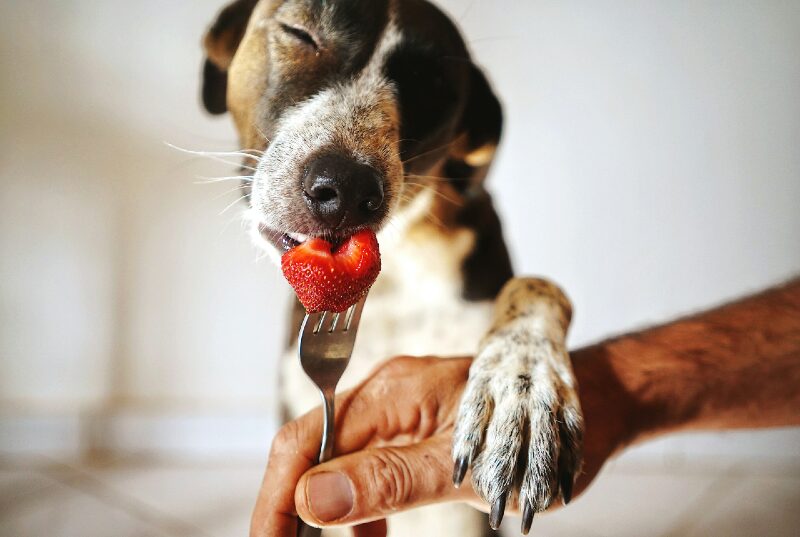
The first thing you’ll be glad to hear is that, yes, dogs can eat strawberries and they make for a healthy and nutritious treat in small quantities.
They are non-toxic to dogs and contain vitamins and nutrients that can be beneficial to dogs’ health, but the berries come with a few caveats, so should only be given to your dog in moderation, as we’ll explain in the article below.
What are the benefits of strawberries for dogs?
Strawberries have a number of health benefits for canines. They contain a range of vitamins, including vitamin C, which can help to boost dogs’ immune system and reduce inflammation, and vitamins B6 and B1 to help support brain health and hormone regulation. They also provide vitamin K, which is essential for blood-clotting.
Strawberries also contain magnesium and potassium, minerals that can aid your dog’s heart health and muscle function.
In addition, strawberries are packed with fiber to boost gut health, and are 90% water, providing a good boost of moisture.
As a treat, they’re relatively low in calories — one strawberry contains around 4 calories — but these can quickly add up if you give your dog a lot.
What are the risks of feeding strawberries to dogs?
Strawberries contain a relatively high amount of sugar (around 5g of sugar per 100g), so feeding too many strawberries to your dog could result in weight gain, diabetes, dental problems or other health complications.
As a result, if your dog has been diagnosed with diabetes, you should avoid giving them strawberries.
A sensible rule is to not feed your dog more than 10% of their daily calories from treats, so bear that in mind when feeding them strawberries, especially as they’ll no doubt make those eyes at you in an attempt to persuade you to give them more. As a guide, small dogs should only have 1-2 strawberries a day, and large dogs 4-5.
Also be aware that if your dog has a sensitive stomach, strawberries may not be a good idea. The leaves and stems can be bitter and hard to digest, leading to stomach problems. And like most foods, if you give your dog too many strawberries, it can also result in an upset stomach.
Ensure strawberries are sliced into smaller pieces, especially when feeding them to smaller dogs, so they don’t become a choking hazard.
Also, it’s worth highlighting that strawberries can trigger skin allergies in sensitive dogs, so kepe an eye out for any skin reactions if it’s the first time you’re giving your dog strawberries.
Can I give my dog canned strawberries or strawberries in syrup?
Fresh strawberries are the only way to give strawberries to your dog. Any other way — such as canned strawberries, strawberries in syrup, strawberry yoghurt or strawberry ice-cream usually have a much higher sugar content, and could potentially also contain artificial sweeteners such as xylitol, which can be toxic to dogs.
How to incorporate strawberries into your dog’s diet
If your dog hasn’t had strawberries before, like any new food you should introduce them slowly and keep an eye on their reaction, checking for signs of allergies or stomach upset.
If you see any signs that worry you, or are unsure how many strawberries you can safely give to your dog, check with your vet
Due to their size, fresh strawberries make an ideal treat, and you can feed them to your dog fresh from the fridge. You can also freeze them whole, or blend them with plain yoghurt and then freeze them to create refreshing frozen treats for hot days.
You could also blend strawberries with other fruit such as bananas, blueberries, raspberries or even add dog-friendly peanut butter for a cooling treat or a treat to add to their lick mat or Kong toy.
Here’s a question with a seemingly obvious answer: Do dogs make us happier?
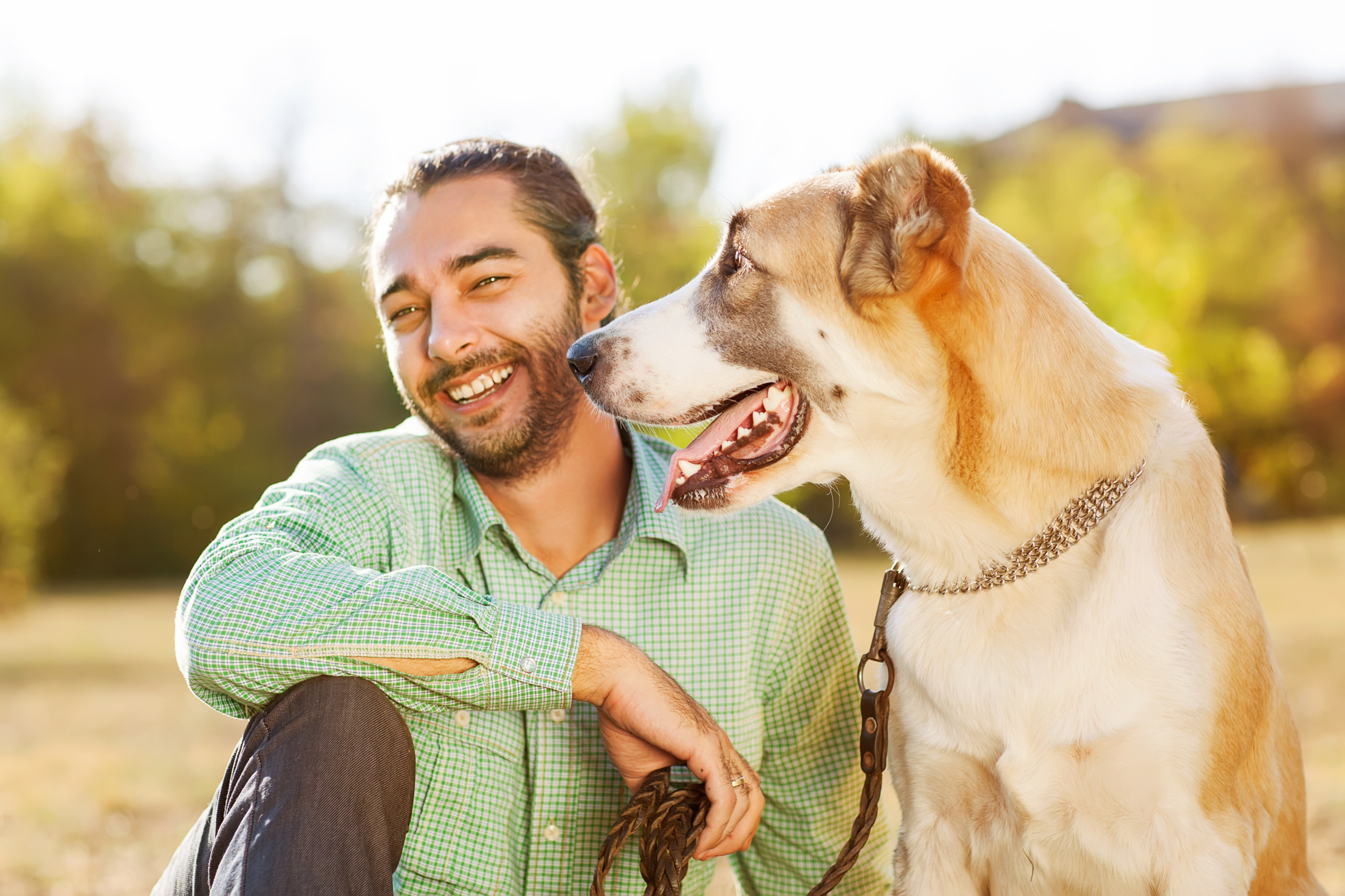
Of course they do! The exuberant greeting they give us when we walk back through the door after being away. The goofy behavior they display to get our attention. The crazy zoomies they get into. The undying loyalty and unquestioning love. Dogs make us smile every day.
If dogs didn’t make us happy, why would so many of us — almost 60 million households in the U.S., according to data from the American Veterinary Medical Association — choose to have dogs?
But how do they make us happy? Is it scientifically demonstrable? What are the benefits of having a dog, and is being a pet parent all win-win?
Do dogs make us happier?
We know there are multiple benefits to having a dog in your life, such as:
Dogs can keep you active — whether that’s walking around the neighborhood with your pup or doing more strenuous exercise such as running or cycling with your dog in tow. Exercise produces endorphins, which improve our mood.
Socialising — having a dog can help to reduce loneliness as there’s a good chance you’ll see other dog parents when out and about. Having a dog requires you to leave your home more than you might otherwise, and even an occasional passing “hello” exchange with another dog walker can give you a lift.
Companionship — dogs can be a great comfort to people, especially for those who may otherwise not experience a great deal of human contact. A dog can be a best friend, helping to reduce stress and invoking a sense of calm just by their presence.
A sense of purpose — having a dog in your life gives you a reason to get on with your day and provides structure to that day; it’s a reason to get up and get going. Your dog depends on you for food, exercise, love and attention.
We also know, from some of the results of the 2025 Dog Food Advisor survey, that the strength of the bond between pet parent and dog is a significant one. Some 52% of our respondents said they would be prepared to go hungry in order to feed their dog, while 96% said they would never give up their dog due to food costs. The loyalty of dogs to humans might be frequently noted, but it’s clear that this loyalty works both ways.
Do dogs make us healthier?
There have also been scientific studies into the positive health effects of having a dog. An article in The Farmer’s Dog Digest cited the results of a survey conducted by a group at the University of Geneva that showed having a dog or cat was linked to a slower mental decline.
The study surveyed Europeans aged 50 and older over a period of 18 years. The study examined two specific types of what are classed as ‘mental health markers’ — executive functioning (which includes the ability to manage multiple tasks and goal-oriented planning) and episodic memory (which is the ability to recall specific events).
While there was evidence of mental decline over that period, that decline was slower for pet parents compared to those without pets. Specifically, having a dog was more beneficial to senior mental health than other types of pets, including fish and birds.
It’s not the only study into the benefits of having a dog and to come to positive conclusions. The American Heart Association published a research article that concluded having a dog is linked to a 31% reduction in the risk of cardiovascular death.
A 2025 UK study by Michael Gmeiner and Adelina Gschwandtner titled The Value of Pets: The Quantifiable Impact of Pets on Life Satisfaction looked at data from over 2,500 households. It found that having a pet — dog or cat — improved life satisfaction by 3-4 points within a ranking scale of 1-7.
And, a survey by HABRI, the Human Animal Bond Research Institute, reported that 85% of respondents said that pets can reduce loneliness, while 76% agreed interactions between human and pet can help to address the issue of social isolation — which particularly affects older Americans living alone.
What are the downsides to having a dog?
Dogs aren’t without challenges though — there are practical, financial and emotional issues to manage during the course of pet parenting. Having a dog can be expensive, with food and medical costs, whether vet fees or pet insurance.
Even so, judging by the responses to DFA’s survey, these are costs many pet parents are happy to pay — 86% would reduce their own personal spending so they could afford to buy quality food for their dog, and 92% are prepared to go into debt to pay for emergency veterinary care. And 96% said they would never give up their dog due to food costs.
In practical terms, being a pet parent demands commitment. Daily exercise is non-negotiable, as is your presence — if you’re away from home for another length of time, you’ll need a dog sitter or doggy daycare. If you’re planning a vacation, you need to plan (and pay) for your dog to be looked after while you’re away. Pet parenting duties are not to be taken lightly.
Then, there’s the deep emotional connection with our dogs that sadly, ultimately concludes with grief. Given the likelihood of pet parents outliving their dog, there will nearly always be a heartbreaking farewell and a grieving period to follow. We’ll miss our canine companions forever — and we know it’s coming.
But, to paraphrase Queen Elizabeth II, speaking after the death of her husband Prince Philip, “grief is the price we pay for love” and, as is evident, that love — and how happy it makes us — is something very special.
Win a year’s free supply of The Farmer’s Dog
For the last 10 years, fresh dog food brand The Farmer’s Dog has had an internal ‘Dog Person Day’. A day for staff to celebrate being what we all are: dog people. This year it’s making it a public celebration and marking it with the chance to win a year’s free dog food.
No purchase is necessary — go here and click the “See Official Rules” link for instructions and terms and conditions. This ends on September 28, 2025 at 11:59 PM ET.
Dog Food Advisor has launched its very first survey — the largest ever of U.S. dog parents, asking for their views on how they feed and care for their dogs.
Almost 10,000 Dog Food Advisor email subscribers, from teens to those over 70, responded to the survey. Nearly half of the respondents (49.6%) had one dog, 31.1% had two, 10.8% had three and 8.5% had four — or more — dogs.
As the U.S.’s leading and most trusted dog food review site, we’re passionate about dog food and believe in the importance of high-quality food — and judging from the answers from our respondents, you do too.
Here are some highlights of the survey’s findings.
How far would we go for our dogs?
We love our dogs. That much is obvious. The results of our survey show just how much affection we have for our canine friends, and what we’re prepared to do to care for them:
52% said they would go hungry to feed their dogs
92% are prepared to go into debt to pay for emergency veterinary care
96% said they would NEVER give up their dog due to food costs
86% would reduce their own personal spending, on items including clothes, in order to afford to buy quality food for their dog
61% have spent more money on their dog’s healthcare in the last year than on their own
How important is what we feed our dogs?
Our respondents need no convincing about the merits of high-quality dog food. In fact, 94% of respondents believed dogs live longer on a better diet, with 57% believing they would live ‘much longer’. Just over half of our respondents (53%) said they actually cared more about their dog’s nutritional needs than their own, while 44% said they read pet food labels more carefully than their own food labels.
However, despite these best intentions, 90% of those whose dog is overweight would still give that dog treats.
What do we feed our dogs?
Dry food, commonly known as kibble, is the most popular type of dog food, with 56.5% citing it as the food they primarily use. A fifth (21.1%) said they use a combination of food, with fresh frozen food the choice of 6.7% and home-cooked food favored by 4.7%. Raw, canned, air-dried and freeze-dried all came lower down the preference list.
Homemade meals are popular, with half of respondents having cooked for their dogs instead due to a lack of trust in commercial brands. Supplements are a big thing, too — 55% give their dog daily supplements to support their diet.
Insect-based diets remain rare among the dog parents surveyed — less than 1% of dog parents currently feed their dogs an insect-based diet — but 21% say they would consider it.
Our respondents reported mixed opinions on raw food and grain-free food, suggesting confusing information, misinformation and disinformation circulating online.
Some 25% believe grain-free is dangerous — but 32% aren’t sure whether it’s safe or not. There’s similar confusion on raw food, too, with fewer than half respondents (40%) believing raw food is safe and over a third (33%) admitting to not knowing. More conclusive are the views on lab-grown meat — 60% of our respondents would not feed it to their dog.
The origin of ingredients is important, with 92% trusting U.S.-sourced ingredients in their dog food. Though 64% said they would feed their dog ingredients from Canada and 47% ingredients from the E.U., there was a different reaction to two other countries. Only 20% said they’d be prepared to feed their dog ingredients from Mexico, while an extremely low 6.7% would give their dog food containing ingredients from China.
Where do we buy our dog food?
According to our respondents, dog food is purchased from a number of different sources. While 31% buy dog food from a pet store, 35% buy their dog food from Chewy, which compares favorably with the 10% buying from Amazon. Around 16% buy directly from the manufacturer, and 11% from their grocery store. A sizeable 29% of respondents buy dog food on subscription.
How much do we spend on dog food?
We asked: ‘How much do you typically spend on dog food per month?’ The answers told us that 13% of dog parents spend $200 or more a month; that figure rose to 17% of respondents with a household income of $150k or higher.
Sixty per cent of our respondents reported that they spend more on food per dog than they did a year ago, with 18% claiming that they spend ‘a lot more’ than a year previously. Some 52% admitted to being a ‘little’ worried about the cost of dog food, with 19% ‘very’ worried — but almost 30% said they weren’t worried at all.
Sadly, 15% said that the price of dog food would stop them getting another dog in the future, and 22% admitted it was a possibility. On the other hand, almost 40% said the cost of dog food would not prevent them from getting another dog, in addition to 21% saying ‘probably not’.
Who do we trust for dog nutrition advice?
So, where do our respondents get their nutrition advice? Where do they get their information about dog food from? And who do they listen to to make decisions about what to feed their pets?
Only 25% of respondents say they’re influenced by their veterinarian, with 56% say Dog Food Advisor Reviews influence their food choices (91% would recommend Dog Food Advisor to other dog parents).
Social media plays a part in dog food choices. In fact, 30% admitted to being influenced by social media when it comes to choosing dog food, and 23% follow dog food influencers. Our survey showed that 12% of 18-39-year-olds follow dog food influencers on TikTok while 10% follow Instagram influencers.
You can download and view the survey highlights here.
After your dog has breathed in your face, and you’ve detected primary aromas of salmon with underlying basenotes of beef, you may have considered giving them something minty to freshen things up a touch.
After all, mint’s a natural plant. What harm can it do?
Well, some types of mint are safe for dogs, while others can be toxic depending on how they’re prepared and consumed.
So, to answer the question “Can dogs eat mint?”, we’ll need to start by looking at which types of mint are safe for dogs.
Safe mint varieties for dogs
Peppermint and spearmint
Fresh spearmint and peppermint leaves are generally considered safe for dogs when consumed in small amounts. Dried versions are also safe, but as they’re more concentrated, they should be restricted to even smaller amounts. This is because if they’re consumed in large amounts, these types of mint may cause gastrointestinal upset.
Wild mint
Wild mint, sometimes known as corn mint, is typically safe for dogs. If you find any growing in the wild, don’t be surprised or worried if your dog stops for a quick snack.
Mint varieties that can be toxic to dogs
Pennyroyal and English Pennyroyal
This is the variety of fresh mint that should be avoided due to the presence of a compound called pulegone, which can be toxic to dogs. It can result in liver damage, seizures, and in severe cases, death.
The plant grows throughout the U.S. and if your dog ingests any, you should consult your vet immediately.
Although not a mint plant, wintergreen is sometimes mistaken for mint due to having similar leaves. It’s also highly toxic as it contains methyl salicylate, which can cause kidney problems and liver failure in dogs.
Can dogs eat products with mint added?
Don’t be tempted to give your dog human-targeted mint products, such as mint candy, gum or mint-flavored ice-cream, as they often contain sweeteners like xylitol, which is highly toxic for dogs. Products with mint added also often involve chocolate, which is also toxic to dogs.
These types of foods are also likely to contain added sugar, which can cause weight gain and obesity, potentially leading to diabetes.
If you’re worried your dog has consumed mint that might be toxic, keep an eye out for any of the following signs:
Vomiting
Diarrhea
Excessive drooling
Lethargy or fatigue
Difficulty breathing
Lack of coordination
Seizures (in severe cases)
If you think your dog’s showing any of these signs of mint toxicity, contact your veterinarian immediately.
Alternatives to mint to freshen dog breath
If your dog needs a little freshening up in the oral hygiene department, these are safer alternatives to mint:
Dental chews. These are safe as they are manufactured specifically for dogs
Dog breath treats. Formulated specifically to help oral hygiene
Parsley. Fresh parsley works well in small amounts
Coconut oil. A small amount could help with your dog’s oral health
What are the health benefits of mint for dogs?
Freshens breath. Mint has a cooling effect on the tongue, and is great at cancelling out harsh flavours and smells. We all know dog breath isn’t the freshest at the best of times — a mint leaf or two could help with that. However, see our alternatives to mint above.
Good for digestion. Many dog parents drink peppermint tea after meals to aid digestion, and peppermint can have the same digestive benefits for dogs.
It’s anti-inflammatory. Mint has been shown to help soothe areas of inflammation.
It contains antioxidants. These are used to target free radicals that cause illness.
Acid reflux in dogs is not the most pleasant topic, we know.
That burning sensation you get after eating or drinking something that doesn’t agree with you? Your dog can experience it too and it’s just as uncomfortable for them.
Also known as gastroesophageal reflux (GER) or gastroesophageal reflux disease (GERD), acid reflux in dogs can appear in several ways, including coughing, loss of appetite, and even weight loss. In some cases, it can be quite serious.
Read on to learn more about the symptoms, causes, and how to help prevent it.
Acid reflux, also known as gastroesophageal reflux disease (GERD), occurs when stomach acid flows backward into the esophagus. In healthy dogs, a muscular ring called the lower esophageal sphincter acts as a one-way valve, preventing stomach contents from moving upward into the esophagus. When this sphincter weakens or relaxes inappropriately, acidic stomach contents can escape into the esophagus, causing irritation and inflammation.
The esophagus isn’t designed to handle the corrosive nature of stomach acid, so when this backflow occurs repeatedly, it can lead to painful inflammation, ulceration, and other complications. Unlike the stomach, which has a protective mucus lining, the esophagus is vulnerable to acid damage.
Recommended Reading
Everything You Need to Know About a Dog’s Microbiome
Of course, acid reflux is difficult to detect in dogs because they can’t tell us they have heartburn or indigestion. So, it’s up to pet parents to recognize the symptoms:
Regurgitation and vomiting: Dogs with acid reflux often bring up undigested food, sometimes hours after eating. Unlike vomiting, regurgitation typically occurs without the forceful abdominal contractions and may happen more passively.
Excessive drooling: Increased saliva production is the body’s natural response to acid in the esophagus, as saliva helps neutralize acid and protect the throat.
Difficulty swallowing: You might notice your dog making repeated swallowing motions, appearing to have something stuck in their throat, or showing reluctance to eat or drink.
Loss of appetite: Persistent discomfort can make dogs associate eating with pain, leading to decreased interest in food or treats they normally enjoy.
Bad breath: Chronic acid reflux can cause persistent halitosis that doesn’t improve with dental care.
Restlessness and discomfort: Dogs may appear anxious, pace frequently, or have trouble settling down, especially after meals.
Gulping or lip licking: Frequent gulping motions or excessive lip licking can indicate your dog is trying to clear acid from their throat.
Weight loss: In severe cases, dogs may lose weight due to reduced food intake or poor nutrient absorption.
Causes of acid reflux in dogs
Several factors can contribute to acid reflux in dogs, and understanding these causes can help with both treatment and prevention:
Dietary factors: Rich, fatty, or spicy foods can trigger acid reflux. Large meals or eating too quickly can also overwhelm the digestive system and cause stomach contents to back up.
Age-related changes:Senior dogs are more prone to acid reflux due to weakening of the esophageal sphincter and changes in digestive function over time.
Breed predisposition: Brachycephalic breeds (those with flat faces) like Bulldogs, Pugs, and Boston Terriers are more susceptible due to their anatomy and tendency to swallow excess air while eating.
Medications: Certain medications, particularly those that relax smooth muscle, can weaken the esophageal sphincter and contribute to reflux.
Underlying health conditions: Conditions such as hiatal hernia, gastrointestinal infections, or chronic kidney disease can increase the likelihood of acid reflux.
Stress and anxiety: Just like in humans, stress can affect digestive function and contribute to acid reflux episodes.
Obesity:Excess weight puts additional pressure on the stomach and can push stomach contents upward into the esophagus.
Anesthesia: Some dogs experience temporary acid reflux following anesthetic procedures due to the relaxation of the esophageal sphincter.
How to treat acid reflux in a dog?
In many cases, acid reflux in dogs can be managed at home with a few simple changes. Treatment often involves a combination of diet adjustments, lifestyle modifications, and in some cases, medication prescribed by your vet.
Feeding smaller, more frequent meals, switching to a low-fat or easily digestible diet, and using an elevated food dish can all support better digestion. Ensuring your dog doesn’t exercise immediately after eating can also make a big difference.
For more persistent or severe cases, your vet may recommend antacids, acid reducers, or prokinetic medications to help manage symptoms and prevent further discomfort.
What to feed a dog with acid reflux
If your dog suffers from acid reflux, feeding smaller meals throughout the day can be gentler on their digestive system than one or two large meals. Depending on the underlying cause, your vet may recommend switching to a lower-fat dog food or feeding the food at room temperature (not chilled). Alternatively, the food format (wet vs. dry food) could also make a difference.
In some cases, a change in protein or carbohydrate source may help reduce symptoms, so it’s best to consult your vet before making any major dietary changes.
You should also avoid high-fat treats, table scraps, spicy or heavily seasoned foods, chocolate (which is toxic to dogs), citrus fruits, tomatoes, and anything that has previously triggered symptoms in your dog. Choosing the right food can make a big difference in managing acid reflux and improving your dog’s overall comfort.
How to prevent acid reflux in dogs
Managing acid reflux in dogs can sometimes be a long-term commitment that requires ongoing attention to diet, lifestyle, and medical care.
Weight management remains crucial throughout your dog’s life, as even small weight gains can worsen reflux symptoms. Environmental stress management should be ongoing, ensuring your dog has a calm, predictable routine.
When to visit the vet
While mild acid reflux can sometimes be managed with dietary changes, certain symptoms warrant immediate veterinary attention. Contact your veterinarian if your dog shows signs of severe distress, refuses to eat for more than 24 hours, has blood in their vomit or regurgitation, shows signs of dehydration, or if symptoms worsen despite treatment.
Protect Your Dog
The Dog Food Advisor offers a FREE Dog Food Recall Alert Service by email.








 Sensitive Stomachs“>