
The One (and Only) Vitamin Not Needed in a Dog’s Diet

Share

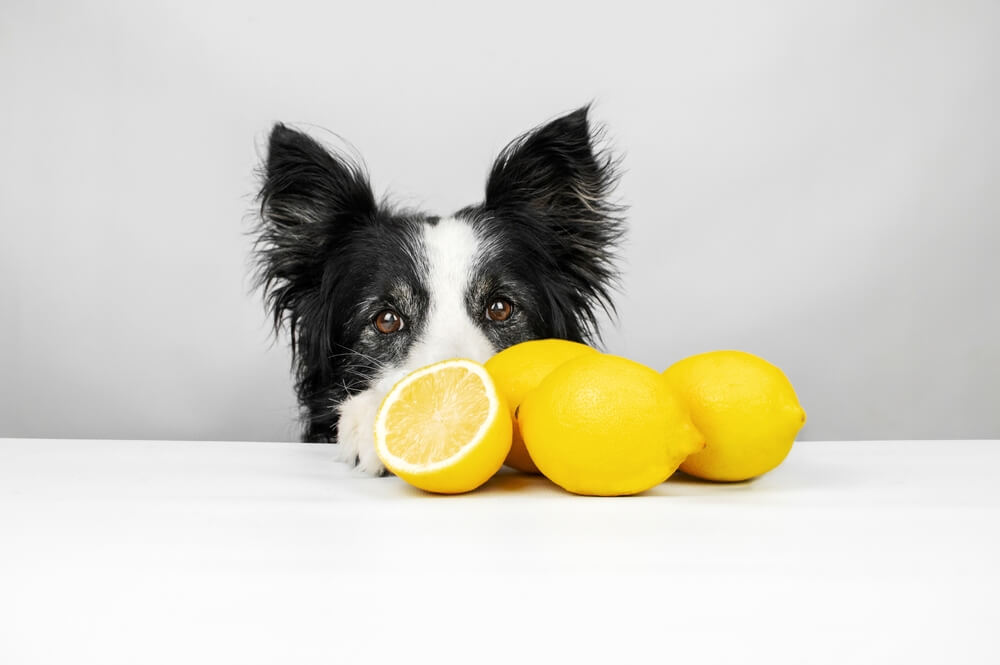
Have you ever seen a dog eating an orange?  Or a lemon?
Dogs and Fruit
Probably, not.  That’s because unlike humans… who require vitamin C to sustain life… dogs possess the natural ability to make their own.

Without vitamin C humans get a disease called scurvy… and die.  Dogs do fine without it.

Just the same, there have been some reports claiming the vitamin may be beneficial in the treatment of bladder infections… or even hip dysplasias.

Unfortunately, those claims are only anecdotal and have not yet been scientifically confirmed by what’s known as “peer-reviewed” research.

So, don’t worry if you don’t find vitamin C… or any of the vegetables or fruits that naturally contain it… on your dog food’s ingredient list.

Your dog can take care of that nutritional shortfall… all by herself.

Dog Food Advisor IconThe Dog Food Advisor publishes independent reviews to help pet owners make better choices when shopping for dog food.


  • Shawna

    Interesting!!  I know Dr. Karen Becker (and other vets I’ve read) use intravenous vitamin C, along with other antioxidants, in cancer patients.  Even though dogs make their own C, the extra boost apparently helps :)

    http://healthypets.mercola.com/sites/healthypets/archive/2010/11/23/pet-supplements-and-pet-therapy-for-cancer-prevention.aspx

    My dogs love clementines :)

  • Thtooley

    The answer above, asserting that no studies with Vitamin C have been done on dogs and that any knowledge is anecdotal, is simply not true.  A quick review of veterinary and animal physiology journals (anyone can do this) shows that at least since the 1930s, researchers have periodically done clinical studies using Vitamin C, including one during the Cold War that showed that irradiated dogs given Vitamin C experienced a survival rate of about five times the control group (awful, yes, to expose dogs to radiation for the test, but my point is that this was 1949, and they gave Vitamin C to dogs) [see Field and Rekers, "Vitamin C and Flavonoids in Dogs," 1949].  Plus many other tests over the years.  Some have shown positive results for one symptom or another, some have shown no result.  But that animal physiologists have done work in this area seems beyond dispute.   

  • erin

    The VET books I referred to is

    James Herriot’s Favorite Dog Stories
    or
    James Herriot’s Cat Stories

  • erin

    Great story about Merg.

    All dogs are different. We had a dog that could eat anything and the next 2 could not.

    I have seen British people giving CHOCOLATE to their dogs on TV. Can British dogs tolerate chocolate and not American dogs? Not that I would ever give our dog chocolate.

    I also read a book that a VET. wrote about his encounters with different cats and dogs. He would give a vitamin shot to help them recover from whatever. What was that vitamin shot and why don’t our vets have it?

  • Cathy

    Richard,
    What a delightful, inspiring story about Mergatroyd. Thank you for sharing! If more dogs were as fortunate as Mergatroyd, this planet would be bursting with sweetness, goodness and wellbeing.

  • Richard

    In the real world of country living, every dog I have had has eaten veggies of his/her own accord. We always have a garden, and sometimes keeping the dog OUT of the garden is the biggest problem.

    For example, years ago we had a puppy come out of the woods and he seized a cucumber out of my wife’s hand. Mergatroyd, a black and tan hound/husky mix, stayed and lived with us for the next 13 years. He ate peas off the vine, but didn’t like the little round things in them (we told guests that he would shuck them into a colander, “Would you like more?). He dug carrots, ate tomatoes off the vine, gnawed on broc and BrSp stems, loved the cooked skins from winter squash and nearly anything else in the compost pile, especially lobster and shrimp shells, and would steal our vegetarian pizza in a heartbeat. (It got so bad that we had to tie him up when we had pizza.) He ate loaves of bread that our neighbor put out for the raccoons, occasionally ate woodchucks, squirrels, and the odd chipmunk if they happened too close to the property. He also ate cooked beans, both soy and navy, but only liked chili when it had pinto beans, not kidney, in it. Brown rice, chocolate chip cookies stolen from any child who happened to be walking with it in her hand. He also thought that other animal feces, especially horse apples was a great desert, something he often found on our nightly walk. One he didn’t like to eat was porcupine, however the incredibly foully stinking stuff was great for rolling in to hide his own smell. And BTW, the vet said that horse apples are good, actually better, for the dog, because they are predigested, and that works great in the short alimentary tract of a dog.

    All in all, Mergatroyd was a slightly discriminating omnivore, and the vet called him healthy all his life. He also warned us when Merg was a puppy that he was not the kind of dog you would want for a pet. This was sort of true, and for many years we spent long hours searching for him, but he was lovable anyway, and when he howled in his baritone version of a husky howl along with our neighbor’s huskies, people from a half mile away would call us to tell us to stop mistreating him. (Once in the city, as he moaned about being left in the car, a parking attendant searched up and down the street looking for the sound. When I came back to the car I told the attendant that that was my dog making that sound. She said, “Oh my God, I thought that was the new fire engine!” Whatever others said, it always tugged at our hearts, and was a sure way to get someone to let him come in, lay by the woodstove, and watch TV until bedtime when he went back to his house.

    In summation, all I can observe from his life and the other dogs we have had is that dogs are scavengers, and as such will eat anything that seems to them to have food value. And they know to eat grass to make themselves throw up when they get a piece of bone stuck in their stomachs. When one allows them to live their life the way they want, they seem to know well how to do it. So allow your dog to tell you what it wants, but one thing for sure, stop feeding it junk food and table scraps, these are not found in the wild. And allow your dog to take you for a walk each day. You’ll find it is their greatest gift to you along with their love and loyalty.

  • Jennifer

    Two things I can tell you are potatoes are fine as long as they are peeled completely and cooked. Broccoli can be fed as it is a great help in cancer treatment but it cannot be more than 10% of the dogs daily diet. Aftet that it becomes toxic. Even if a food is considered safe, don’t let them have the seeds or stems. These can be toxic and can cause blockages. Just remember even if the food is safe too much is bad. Just like humans. For example, spinach. A little bit once in a while should be fine but given everyday can cause issues. It’s high iron content and minerals will build up and become toxic.
    Here are some sites for more info:
    http://www.risingwoods.org/OURFAMILY/THEDOGS/knowntoxicfoodsfordogs.htm
    http://gomestic.com/pets/be-a-good-dog-owner-fruits-and-veggies-that-are-bad-for-your-dog/
    http://www.acreaturecomfort.com/toxic.htm

  • http://DogFoodAdvisor.com Mike Sagman

    Hi Jo… Unfortunately, I’m not aware of a website that presents a fruit and veggie wish list for dogs. Yet the one fruit I’d avoid would be grapes (and their derivatives… like raisins).

  • Jo

    Hi,
    Thank you for your website. Is there a website that list the fruits and vegtables that a dog can be fed. Like feeding the dog pieces of fruit or vegtables as treats instead of buying commercial dog treats.

    Thanks

  • Ela

    My rescue dalmatian, presently 10 years old has been eating all fruits including oranges all his life, 9 with me . Bulcio ha been on Kirkland lamb formula most of his life and now receives senior K food.
    He at his age is very active and playful, although he takes longer “beauty naps”. The only food he will not eat are mushrooms .

  • http://DogFoodAdvisor.com Mike Sagman

    Hi Marjorie… I’ve never been asked that question before. I am guessing when I say it’s probably OK. But to be sure, you might want to check with a veterinarian.

  • Marjorie

    My dog enjoys a piece of orange whenever we have one. Can this be harmful to an small shitzu cross?