DogFoodAdvisor is reader supported See how
Dog Food Advisor is 100% impartial and is never paid to promote any brand. But if you buy using links on this page, we may earn a referral fee.
Propylene glycol is a controversial additive that’s used to help retain the moisture content in some commercial dog foods.
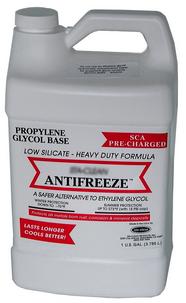 You may already recognize this chemical for its more common use — as the key component in newer automotive antifreeze.
However, propylene glycol is considerably safer (less toxic) than its far more dangerous cousin, ethylene glycol.
Yet because of its proven ability to cause a serious type of blood disease in some animals — Heinz body anemia — propylene glycol has been banned by the FDA for use in cat food.
But unfortunately, it can still be used to make dog food.
Propylene Glycol in Dog Food
The Bottom Line
Propylene glycol is probably safe — in small, infrequent doses.
Yet unlike most humans who are inclined to vary their diets with each meal, dogs are typically fed the same food on a perpetual basis — meal-after-meal, every day for a lifetime.
And it’s that continuous exposure to a synthetic substance like propylene glycol that tends to keep us up at night.
For this important reason, pet owners may wish to consider the potential long term harm of including this or any other non-nutritive additive in any food when making a purchase.
Final word
The Dog Food Advisor does not accept money, gifts, samples or other incentives in exchange for special consideration in preparing our reviews.
However, we do receive a referral fee from online retailers (like Chewy or Amazon) and from sellers of perishable pet food when readers click over to their websites from ours. This helps cover the cost of operation of our free blog. Thanks for your support.
For more information, please visit our Disclaimer and Disclosure page.