What Dog Food Companies Don’t Want You to Know About Added Fats

by Mike Sagman on March 25, 2009

Bookmark and Share

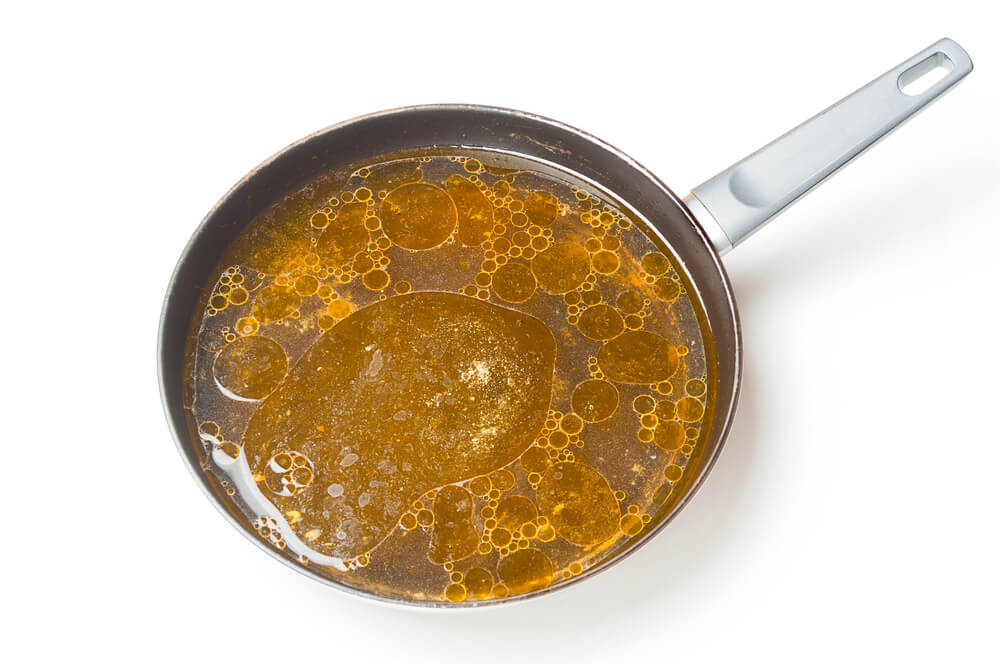
OK.  Say you had a cup of olive oil… and a cup of kitchen grease.  Which would you rather have on your salad?
Dog Food Companies Hide the Truth About the Source of Fat
I know.  I know.  Of course, that’s a silly question.  And besides, what has that got to do with dog food?

Well, unfortunately, more than you’d care to know.

You see… every time you shop for dog food… you’re unknowingly making an important decision… much like that “oil or grease” question I just posed.

Here’s why…

Commercial dog foods usually contain added fat.  You probably already know that.  But it’s the source of that fat that can make such a huge difference in the overall quality of the dog food you buy.

Better Sources of Healthy Fats

For example, take a look at these relatively respectable sources of dog food fat…

  • Chicken fat
  • Flax seed oil
  • Sunflower oil
  • Fish oil

Not bad.  For as long as they’re clean… and fresh… all of them contain a reasonable amount of wholesome nutrients.

But good fats might be too costly for greedy, profit-first manufacturers to use in their foods.

A Dirty Little Secret Revealed

Now, if you’ve ever spent much time trying to make heads or tails of a dog food ingredients list… you’ve probably already come across an item referred to as “animal fat”.

But have you ever wondered what animal fat really is?

Well, here’s the dog food industry’s official “take” on this rather obscure ingredient…

“Animal fat is obtained from the tissues of mammals and/or poultry in the commercial process of rendering…”1

Basically… animal fat is a by-product of rendering… the same high temperature cooking method that’s also used to produce meat meal.

The greasy debris left over after rendering is marketed as animal fat or “tallow”.  Regulators classify tallow as “inedible to humans”.  Yet tallow can still be used to make dog food.

The Dangerous Link Between Cancer and Recycled Fats

The problem with animal fat is that it’s made from mostly unknown, non-specific sources including…

  • Dead, dying, diseased, or disabled farm animals
  • Slaughterhouse waste
  • Meat by-products
  • Discarded restaurant grease
  • Road kill
  • Dead zoo animals

Of all these sources, restaurant grease deserves very special attention.

You see, restaurant grease comes from discarded oils and fats… even dangerous trans-fats… that have been salvaged after frying foods at very high temperatures.

Fats and oils raised to high cooking temperatures like this have been known to produce unwanted cancer-causing compounds known as carcinogens.

And nobody wants these potentially dangerous ingredients in their dog’s food.

Want to know how to spot these low quality fats?

Here’s a short list of some of the more common sources of inferior dog food fat to avoid…

  • Animal fat
  • Poultry fat
  • Lard (from hogs)
  • Rendered fat (tallow)
  • Recycled restaurant grease

Remember, poor quality fats like these have one thing “profit-first” dog food companies really love… they’re all cheap.

So, when you see inferior fat ingredients like these on a dog food you’re considering… stand aside.

  1. Official Publication, American Association of Feed Control Officials, 2008 Edition, Section 9.3, p. 288

{ 1 comment… read it below or add one }

Mike Sagman March 16, 2010 at 12:00 pm

Greaseman… Since recycled restaurant grease is frequently used by “profits-first” dog food companies as a source of low-quality animal fat for their products… and because your company appears to supply grease traps to the restaurant industry… I have elected to remove the link to your company’s website from your comment.

Leave a Comment