Protein in Dog Food: How Much Dogs Need and What to Look For


DogFoodAdvisor is reader supported See how
Dog Food Advisor is 100% impartial and is never paid to promote any brand. But if you buy using links on this page, we may earn a referral fee.
One of the essential nutrients your dog needs in their diet is protein.
But what is protein?
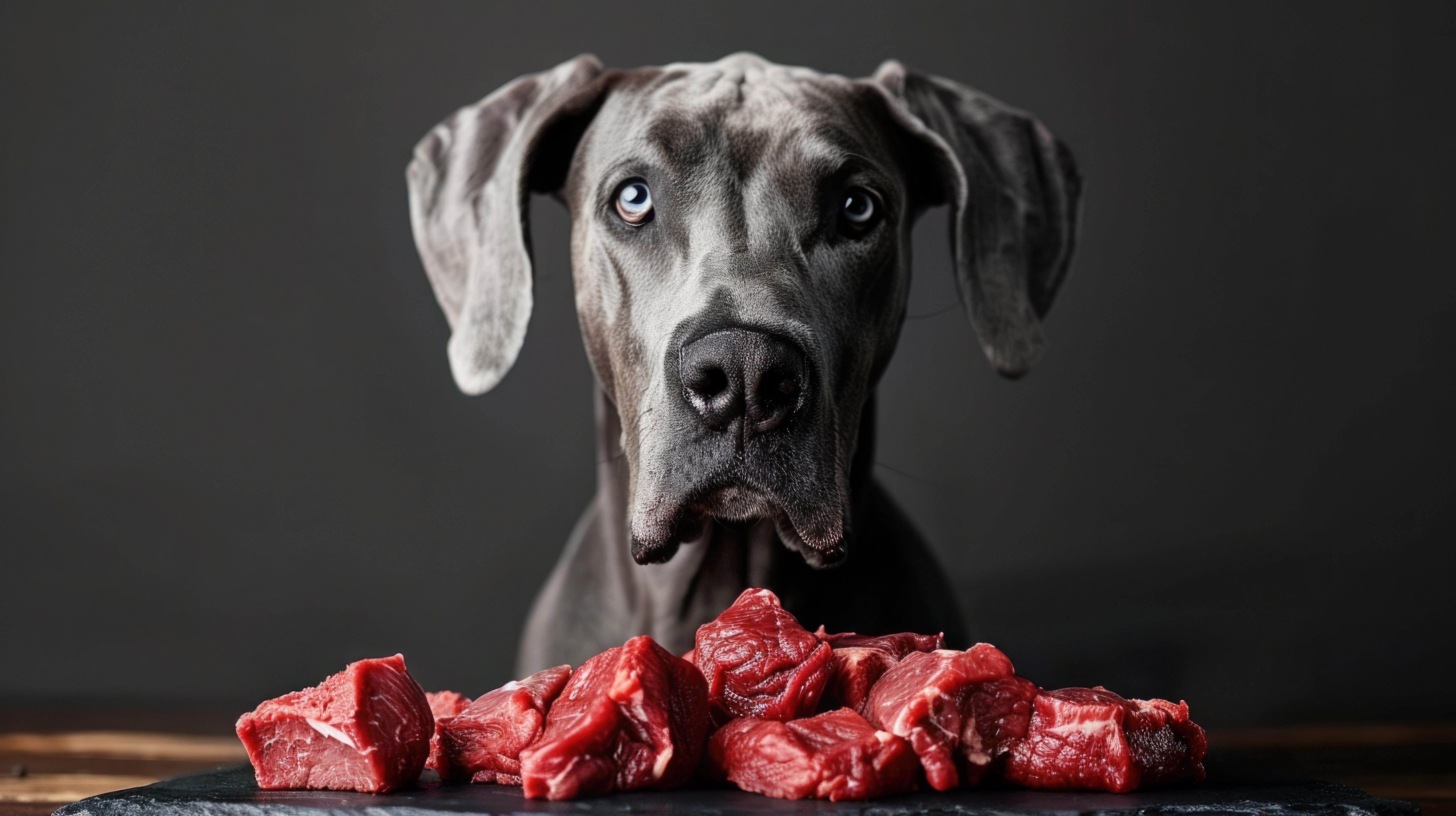
Protein is a macronutrient found in dog food that provides the amino acids dogs need to build muscle, support immune function, and maintain healthy skin and coat. It comes from animal sources like chicken, beef, and fish, as well as plant sources like peas and lentils.
On any dog food label, the level of protein should be clearly displayed so all pet parents can see exactly how much protein their dog will be consuming with that food. Most dog food labels list protein content as ‘crude protein’ in the Guaranteed Analysis.
All sounds straightforward so far? Good. But, there’s a lot more to consider when it comes to protein and your pup. Such as, how much protein does a dog need? Can your dog consume too much protein, or too little, and what would the consequences of that be?
It’s an important topic. The Dog Food Advisor enlisted the help of veterinarians Dr. Ben Schroeder, DVM, and Dr. Erin Schroeder, DVM, to provide their expert knowledge on protein in dog food — and the many questions that arise around it.
A husband and wife veterinarian team who manage a practice in Nebraska and star in the National Geographic series Heartland Docs, Ben and Erin are Education Partners for Wellness Pet Company. They previously collaborated with Dog Food Advisor to support advice articles on cleaning your dog’s teeth and dental health.

Why Protein Matters in Dog Food
Protein plays a critical and crucial role in your dog’s health and development — which is why it matters so much that, whatever food you give to your dog, it has the appropriate levels of protein within it.
“Protein is one of the most important nutrients in a dog’s diet,” emphasises Dr. Ben. “It provides the amino acids their body needs to build and maintain muscle, support the immune system and keep their skin and coat healthy. Dogs are constantly repairing and renewing tissues, so they rely on a steady supply of protein every day.”
“That’s why I encourage pet parents to look for foods that feature real, high-quality protein sources. Meals that center around meat, help provide the building blocks dogs need to stay strong and active.”
Look at it the other way — a diet that’s deficient in protein can lead to health issues for your dog.
“If dogs aren’t getting enough protein over time, you may start to see muscle loss, a dull coat, low energy or slower healing,” warns Dr. Ben. “Protein is essential for maintaining muscle, immune health and overall vitality. That’s why balanced nutrition with adequate, high-quality protein is so important.”
How Much Protein Does a Dog Need?
The need for protein in sufficient amounts is undisputed. But how much protein is in dog food, and how much protein should your dog be consuming, as part of a balanced diet?
Let’s start with the guidelines from the Association of American Feed Control Officials (AAFCO). AAFCO sets minimum protein requirements at around 18% for adult dogs, and at around 22.5% for puppies. However, as Dr. Ben explains, don’t become too focused on finding a dog food that hits those figures exactly.
“That said, many healthy dogs thrive on diets with higher protein levels, especially if they’re active,” he explains. “Rather than focusing on the number on the label, pet parents should look for high-quality, named protein sources — like chicken, turkey or salmon — listed complete and balanced according to AAFCO standards.”
When considering and comparing different types of dog food, the protein percentage as listed on any dog food label doesn’t tell the whole story. While the Guaranteed Analysis is the standard way of presenting nutritional information — providing a handy at-a-glance view for potential customers to see the levels of protein, as well as fat, fiber and moisture, it’s not completely accurate.
For a better understanding of how much protein is in dog food, you need a measuring method called dry matter basis. You can read more about what that is, how it works, and how to calculate it yourself easily if it’s not already provided, in our guide here — but in brief, dry matter basis provides the nutritional value when the moisture has been removed.
This isn’t as important if you’re trying to choose between two brands of wet canned dog food, or two brands of dry kibble for dogs as the moisture levels will be approximately the same. But, if you’re comparing a wet dog food v kibble, to gauge the percentage of protein, dry matter basis will deliver a more accurate picture.
If the level of protein in a dog food is a bit higher than the guidelines set by AAFCO, don’t necessarily be concerned or put off from choosing it. For example, is 30% protein too high? Is 32% protein too much for a senior dog?
“For most healthy dogs, 30% protein is perfectly appropriate,” says Dr. Ben. “Dogs are actually very well adapted to diets with moderate to higher protein levels, especially when the protein is coming from high-quality, digestible sources. What matters more than exact percentage is the quality of the protein and overall balance of diet.”
To reassure pet parents who may be worried that too much protein could cause harm to their dog, Dr. Ben has encouraging words:
“In healthy dogs, excess protein is typically just metabolized. There’s a long-standing myth that higher-protein diets damage the kidneys, but research hasn’t shown that to be the case in dogs with normal kidney function. Where protein levels do need to be monitored is in dogs with certain medical conditions, like kidney disease, where veterinarians may recommend specific therapeutic diets.”
There’s further reading on this in our ‘Can Dog Food Have Too Much Protein?’ guide.
Protein intake doesn’t automatically need to be adjusted through your dog’s life stage, either — at least not significantly. While puppies need higher protein levels to support their growth and development, and active adult dogs can also benefit from higher protein to support activity and recovery, it’s important that the nutritional needs of senior dogs aren’t overlooked.
“It’s a common misconception that senior dogs need less protein,” says Dr. Ben. “In reality, many older dogs actually benefit from maintaining good protein intake because it helps preserve lean muscle mass as they age.”
If you suspect your dog isn’t consuming a sufficient level of protein, perhaps because their food falls short of the required amount, don’t panic — but it’s advisable to take some action and potentially make some dietary changes.
“If you’re concerned your dog may not be getting enough protein – maybe you’re noticing muscle loss, low energy or coat changes – it’s a good idea to start with a conversation with your veterinarian,” suggests Dr. Erin. “Sometimes the solution is simply transitioning to a food that prioritized higher-quality protein sources. Adding protein-rich meals or toppers, like Wellness Protein Bowls, can also help increase protein intake while making mealtime more exciting.”
What Is Crude Protein — and Why It Can Be Misleading
If you study the label, you’re likely to see something called crude protein in dog food. It’s important to be aware of exactly what it is, because while it indicates the protein content in the food, it can be misleading. So, what is crude protein in dog food?
Crude protein in dog food is the total protein content in the food, determined by the amount of nitrogen content that’s present in the food. It’s a measurement method, and that nitrogen can come from a range of sources — not just meat but grains, filler meat, nuts, beans, peas and so on.
“Crude protein is the measurement you see on a pet food label that represents total estimated protein content in the food,” confirms Dr. Ben. “It’s calculated based on the amount of nitrogen present in the ingredients. What it doesn’t tell you is how digestible that protein is, which is why ingredient quality matters just as much as the percentage.”
Dr. Erin expands on that further, citing the differences between crude protein in dog good and digestible protein:
“Crude protein tells us the total amount of protein in a food, but digestible protein refers to how much of that protein the dog’s body can actually absorb and use,” she says. “Highly digestible proteins, often from animal sources, tend to provide more usable amino acids for dogs.”
To gain a better understanding of the protein content in any dog food, the most practical label-reading skill a pet parent can have is by learning how to calculate dry matter basis. Dry matter conversion involves calculating the protein content after removing the water. Look at the moisture/water as listed on the food’s label. If that’s 75%, for example, the dry matter is 25%. Divide the protein by the dry matter, then multiply by 100, to reveal the dry matter protein content.An example would be:
Dry Matter Protein Content = (10/25) x 100 = 40%
Animal Protein vs. Plant Protein in Dog Food
When we think of protein, we might immediately think of meat — which is categorised as animal protein. But, protein can be derived from plants, too. Both have nutritional benefits for your dog, though animal proteins are considered to have better digestibility, and have superior amino acid completeness.
“Animal proteins generally provide a more complete amino acid profile for dogs and tend to be easier for their bodies to digest and use,” says Dr. Erin. “That’s why many pet foods prioritize animal proteins as a primary ingredient. Plant proteins can still play a role in a balanced formula, but they’re often used alongside animal proteins to ensure dogs receive the full spectrum of essential amino acids.”
The inclusion of pea protein in dog food can be a source of anxiety for some pet parents, given the ongoing debate and discussion around grain-free ingredients and its potential connection with canine dilated cardiomyopathy; pea protein is grain-free.
Despite concerns, it’s important to emphasise that there’s no specific evidence definitely linking grain-free, or grain-inclusive diets, to DCM — and pea protein is a commonly used plant-based protein ingredient that contributes amino acids to a balanced diet.
“The key is that it’s used as part of a thoughtfully formulated recipe rather than replacing high-quality animal proteins entirely,” reveals Dr. Erin. “The research around diet-associated DCM has highlighted how important balanced formulations and responsible ingredient sourcing are. Pet parents should look for brands that prioritize nutritional expertise and transparency.”
The Best Protein Sources for Dogs
Now we’ve covered animal proteins and plant proteins, it’s likely that you’re questioning next what protein is best for dogs. We’ve written about this in more detail in this article on the best meats for dogs because the best protein for dogs is provided by high-quality meat. That can come from a range of different meats — including offal, duck and rabbit, as well as more common types. Fish is also a great source of protein, easily digestible and low in saturated fats, too.
“Some of the best protein sources for dogs include high-quality animal proteins like chicken, turkey, beef, lamb and fish,” says Dr. Erin. “These ingredients provide essential amino acids and tend to be very digestible. Foods and toppers that highlight real meat as the first ingredient can be a great way to incorporate those protein-rich ingredients into a dog’s daily routine.”
Eggs are packed with protein, too — some dog food may include dried egg, while you can also feed your pup cooked egg. Be mindful of the amount you feed, though, as too much can lead to stomach upset, and the egg needs to be thoroughly cooked. Egg yolks are also high in cholesterol, while some dogs may have an allergy to eggs.
If you are looking for a high-protein diet for your dog, you can see our top picks here.
Novel Proteins — What They Are and When to Use Them
Novel proteins might sound unusual or complicated, but they’re actually much simpler. Novel proteins are protein sources a dog hasn’t eaten before. Typically, this could be meats such as venison, rabbit, duck, but even exotic meats such as ostrich, kangaroo and wild boar.
Novel protein dog food could be introduced if your pet suffers from food allergies. An example here would be if your dog has an allergy to chicken, which is common enough. As chicken is a popular source of protein and an ingredient extensively used in many dog food recipes, you would need to find an alternative.
“Novel proteins are often used in elimination diets when veterinarians are trying to identify or manage food sensitivities,” says Dr. Erin. “Because the dog hasn’t previously been exposed to that protein, the immune system is less likely to react to it.”
Hydrolyzed Protein Dog Food — What It Is and Who Needs It
Hydrolyzed protein dog food might be recommended by a veterinarian for a pet living with more serious health conditions, such as severe skin allergies, digestive issues and inflammatory bowel disease. For some dogs, proteins cause problems with the immune system. With hydrolyzed protein dog food, a process called hydrolysis breaks the proteins down into tiny fragments that can be undetected by your pet’s immune system.
“Hydrolyzed protein diets contain proteins that have been broken down into very small pieces,” says Dr. Erin. “Because the protein fragments are so small, the immune system is less likely to recognize them and trigger an allergic response. Veterinarians often used hydrolyzed diets as part of food allergy testing or for dogs with diagnosed food sensitivities.”
Hydrolyzed protein dog food is prescription only, so it needs to have been authorized by a veterinarian before being purchased. The Dog Food Advisor has reviewed hydrolyzed protein dog food products from two of the leading brands — Royal Canin and Purina Pro Plan.
Low Protein Dog Food — When Less Is More
Most of this guide has focused on protein in dog food, with the emphasis on getting a good with high enough levels of protein — or even food that’s particularly high in protein. However, there can be occasions when low protein dog food is required.
“Low-protein diets are usually recommended only for dogs with specific medical conditions, such as advanced kidney disease or certain liver disorders,” says Dr. Erin.
“In those cases, veterinarians carefully manage protein levels to reduce strain on the body while still providing essential nutrients. For most healthy dogs, though, adequate high-quality protein is a key part of a balanced diet.”
Low protein diets should always be vet-directed, and could be prescribed to help manage a range of medical conditions. Typically, a vet may recommend low-protein dog food for kidney disease, as consuming less protein reduces some of the strain on the kidneys. Dogs living with liver disease may also benefit from low protein dog food — but always discuss any concerns with your vet.
How to Read the Protein Information on a Dog Food Label
The best way of reading the protein information on your dog food label is by understanding what’s on the label. Dog Food Advisor has a full explainer on how to read dog food labels here.The first step in learning the protein content in any dog food is to find the Guaranteed Analysis section. This shows a breakdown of the nutrients in the food — protein is one of the key nutrients.
However, remember that Guaranteed Analysis is an ‘as fed basis’ and doesn’t show the full picture. For that we need dry matter analysis. This calculates the protein content in the food — typically higher in wet dog food — once the moisture has been removed.
So, if the moisture is listed as 70%, the dry matter is 30%. If the protein is listed as 12%, divide the protein by the dry matter and then multiply by 100 to get the dry matter protein content:
Dry Matter Protein Content = (12/30) x 100 = 40%
The result? A dog food that is stated as having 12% protein actually has 40% protein on a dry matter basis.
Next, look at the list of ingredients. For protein, we should be looking for named meats — chicken, beef, turkey are common — or fish, such as salmon. Some dog foods may include ‘meat meal’ instead of fresh meat. Meat meal could be made from offal and tissues, and is frequently seen in dry dog foods. While it may not provide as much nutritional value as real meat, it’s still a good source of protein.
Lastly, look for any plant-based proteins such as soy, lentils, potatoes and dried egg.
FAQs
What percentage of protein should dog food have?
AAFCO sets minimum protein requirements at around 18% for adult dogs, and at around 22.5% for puppies.
Is 30% protein too high for a dog?
No — 30% protein is considered acceptable for healthy adult dogs.
Is 30% protein too much for a senior dog?
No — healthy senior dogs still need a good protein intake as it can help to preserve lean muscle mass.
What is the difference between crude protein and digestible protein?
Crude protein tells us the total amount of protein in a food, but digestible protein refers to how much of that protein the dog’s body can actually absorb and use.
Can too much protein harm a dog?
In healthy dogs, excess protein is typically just metabolized so too much protein won’t be harmful. For dogs living with certain medical conditions — such as kidney disease — protein intake should be monitored.
What is the highest protein dog food?
As covered here, Dog Food Advisor considers any dog food that contains over 28% protein as being ‘high’ in protein.
Final word
The Dog Food Advisor does not accept money, gifts, samples or other incentives in exchange for special consideration in preparing our reviews.
However, we do receive a referral fee from online retailers (like Chewy or Amazon) and from sellers of perishable pet food when readers click over to their websites from ours. This helps cover the cost of operation of our free blog. Thanks for your support.
For more information, please visit our Disclaimer and Disclosure page.