
DogFoodAdvisor is reader supported See how
Dog Food Advisor is 100% impartial and is never paid to promote any brand. But if you buy using links on this page, we may earn a referral fee.
Being a pet parent comes with a lot of responsibilities. Feeding your dog, providing exercise, grooming and brushing, booking veterinary appointments whenever necessary and of course, delivering copious amounts of belly rubs on demand.
There’s something else on the to-do list, too. Cleaning your dog’s teeth regularly might be a task you can all too easily forget, but it’s important to remember that your pet’s dental care and health depends on it. Dental disease is, in fact, the number one health issue affecting pets — up to 70% of dogs and cats are impacted.
To mark Pet Dental Health Month — which is every February — Dog Food Advisor teamed up with Wellness Whimzees to interview veterinarians Dr. Ben Schroeder, DVM, and Dr. Erin Schroeder, DVM, Education Partners for Wellness Pet Company.
A husband-and-wife veterinary team who run a practice in rural Nebraska, Doctors Ben and Erin are also well known for starring in the National Geographic series Heartland Docs, DVM.
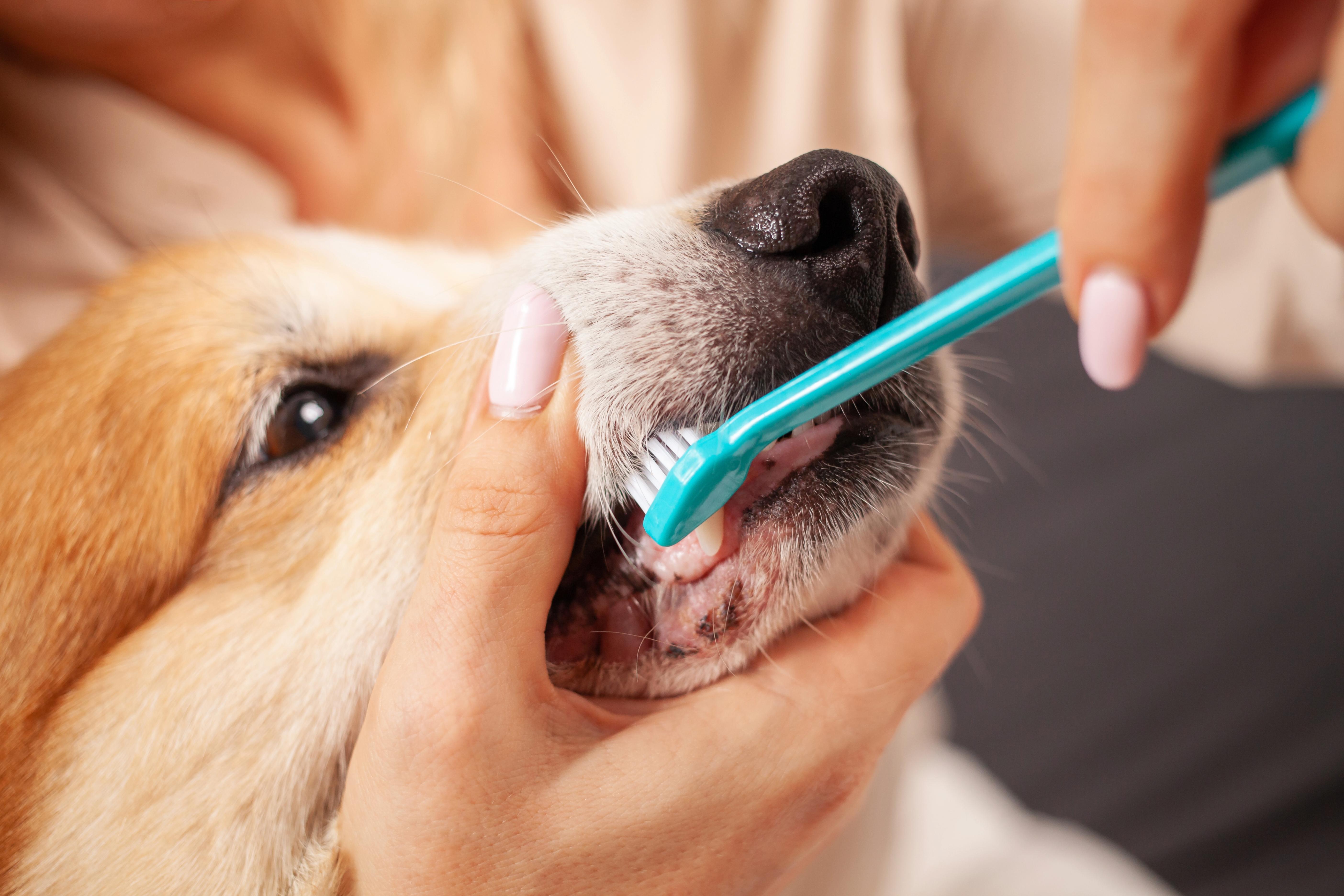
In this, part two of our interview, they share their professional tips on how to clean your dog’s teeth, brushing techniques for anxious, reluctant or aggressive dogs, and ongoing dental care.

To start the interview, we wanted to know how soon pet parents should start caring for and cleaning their dog’s teeth.
When should pet parents start caring for their dog’s teeth?
Dr. Ben: “As part of a comprehensive puppy program, we always recommend incorporating early dental care, including toothbrush and toothpaste training and, once puppies reach nine months, adding a quality daily dental treat like Wellness® WHIMZEES® Puppy Dental Chews.”
So, it is safe to start brushing a puppy’s teeth?
Dr. Ben: “Yes, as long as you’re using dog-specific products. A soft-bristled canine toothbrush and veterinary approved toothpaste are safe and effective. Early brushing is less about perfection and more about building comfort. You’re creating a foundation that supports lifelong oral health — something we emphasize at our clinic, especially during Pet Dental Health Month.”
Can you explain the timeline of a dog’s teeth? If puppies have ‘baby teeth’ is there any point in keeping those clean? When do dogs typically start to lose baby teeth?
Dr. Erin: “Puppies have 28 baby teeth that erupt around three to four weeks of age. They begin losing them around three to four months, and most adult teeth are in place by six months. Even though baby teeth are temporary, keeping them clean matters. Plaque can still accumulate and cause gum inflammation. More importantly, early dental routines — brushing when possible and incorporating Wellness WHIMZEES Dental Treats into the routine can help establish consistency before adult teeth fully erupt.”
Humans need to brush their teeth at least twice a day. How often should I be brushing my dog’s teeth?
Dr. Erin: “Daily brushing is ideal. Plaque forms every 24 hours, and if it isn’t removed regularly, it can harden into tarter and lead to gum disease.That said, we also recognize that life gets busy. Consistency matters more than perfection. When daily brushing isn’t realistic, incorporating a daily dental treat, which is designed to encourage longer chew duration, can help support clean teeth between brushings.”
How long should I brush my dog’s teeth for?
Dr. Ben: “About 30-60 seconds total should do! Focus primarily on the outer surfaces of the teeth where plaque accumulates most. It doesn’t have to be complicated — short consistent sessions are what count.”
Can I use a human toothbrush? Or does it need to be a special canine brush?
Dr. Ben: “A soft human toothbrush can work temporarily, but dog-specific brushes are often better designed for their mouth shape. Human toothpaste, however, should never be used. Many contain fluoride or xylitol, which can be harmful to dogs. Always choose veterinary toothpaste formulated specifically for pets.”
What are the best alternatives to using a toothbrush? Can I use my finger, for example?
Dr. Erin: “Yes! Finger brushes, dental wipes and even gauze can definitely help remove early plaque. They’re great tools to have in your routine. That said, chewing plays an important role too. Dental chews with a firmer texture are designed to encourage longer chewing, which helps support clean teeth. We often suggest incorporating them into a daily oral care plan.”
Are certain chews and dental sticks genuinely effective for keeping teeth clean? Could I just give my dog a dental stick every day instead of brushing?
Dr. Erin: “No, brushing will always remain the gold standard! But daily dental sticks or chews absolutely have value. Think of chews as a supportive daily routine — especially on the days when brushing doesn’t happen.”
What’s the best type of ‘paste’ to use when brushing a dog’s teeth? I can’t just use human minty toothpaste, right?
Dr. Erin: “Always use dog-specific toothpaste. Veterinary formulations are safe to swallow and often flavored to make brushing more enjoyable. The goal is to make dental care something your dog tolerates – or even looks forward to.”
What can I do if my dog hates having his/her teeth brushed?
Dr. Ben: “Start small and build gradually. Let them taste the toothpaste, then touch the lips and teeth, always pairing with praise and rewards!”
How can I brush an anxious dog’s teeth?
Dr. Erin: “Work on cooperative care skills first — getting your dog comfortable with having their mouth handled during calm moments. Keep sessions short and positive. For anxious dogs, we often suggest building a routine that includes both brushing practice and a daily dental chew. Having predictable, positive daily habits reduces stress for both pets and parents.”
How can I brush my dog’s teeth if he/she reacts aggressively?
Dr. Ben: “If there’s aggression, we first want to rule out pain. Dental disease can be uncomfortable, and sometimes behavior changes are a sign of underlying oral issues. Work with your veterinarian on a safe plan. In some cases, focusing on professional cleaning may be a more realistic starting point.”
Are there any foods that are naturally good for teeth/dental health?
Dr. Ben: “Nutrition absolutely plays a role in overall oral health. Feeding a consistent, high-quality diet supports gum health and immune function. Wellness Pet Company has a wide portfolio of delicious and nutritious recipes in theComplete Health,CORE andCORE+ lines for both cat and dog that support The 5 Signs of Wellbeing ™ — sustained energy, healthy digestion, healthy skin & coat, immune health and healthy teeth and bones.”
Read part one of our interview here: Veterinarian Q&A — Dental Issues in Dogs
Learn more about the Wellness range of dog food here. Dog Food Advisor has reviewed many Wellness dog food recipes, including CORE+ dry dog food and CORE grain-free dog food.
Read about how your dog’s diet can affect its dental health here.
Final word
The Dog Food Advisor does not accept money, gifts, samples or other incentives in exchange for special consideration in preparing our reviews.
However, we do receive a referral fee from online retailers (like Chewy or Amazon) and from sellers of perishable pet food when readers click over to their websites from ours. This helps cover the cost of operation of our free blog. Thanks for your support.
For more information, please visit our Disclaimer and Disclosure page.