
DogFoodAdvisor is reader supported See how
Dog Food Advisor is 100% impartial and is never paid to promote any brand. But if you buy using links on this page, we may earn a referral fee.
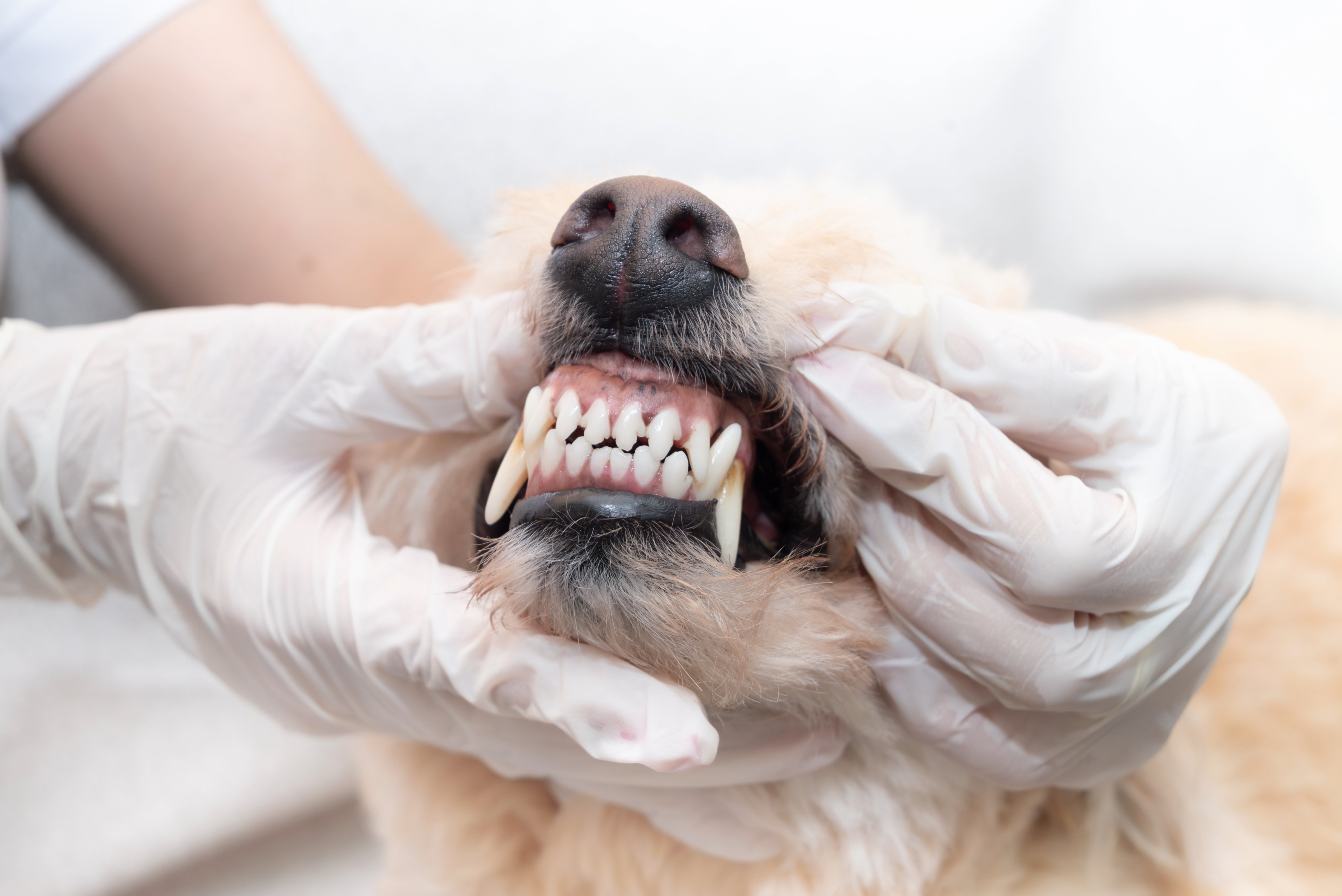
Dental disease is the number one health issue in pets. While regularly brushing your dog’s teeth can help to avoid many common dental health issues, your pet may still develop more serious problems that require veterinary intervention to diagnose and resolve.
To coincide with Pet Dental Health Month — which is every February — Dog Food Advisor teamed up with Wellness WHIMZEES to interview Veterinarian Dr. Ben Schroeder, DVM, and Veterinarian Dr. Erin Schroeder, DVM, Education Partners for Wellness Pet Company.
A husband-and-wife veterinary team who run a practice in rural Nebraska, Doctors Ben and Erin are also well known for starring in the National Geographic series Heartland Docs, DVM.
In part one of our interview, Drs Ben and Erin (pictured below) discussed the importance of cleaning our dog’s teeth frequently, which can manage the build-up of plaque and prevent dental issues. In part two, the veterinarians talk us through some common dental issues in dogs — including how to spot the warning signs when they may not be so obvious.

What are the most common canine dental issues?
Dr. Erin: “Dental disease is the No. 1 health issue in pets. Dental disease impacts up to 70% of pets* — especially small breeds and seniors — and often developing before visible symptoms. However, it remains one of the most preventable health issues with consistent daily care.”
How can I deal with dog plaque myself?
Dr. Ben: “Early plaque can often be managed with brushing and daily dental chews like Wellness WHIMZEES Dental Treats. Once plaque hardens into tartar, however, it requires professional cleaning under anesthesia to remove safely.”
Should my dog have regular teeth cleaning by a professional/vet?
Dr. Ben: “Yes. Even if you’re doing a great job with dental care at home, professional cleanings are important because they allow us to check below the gumline, which is where dental disease often hides. The best approach is combining daily preventative care at home with regular veterinary exams to keep your dog’s mouth healthy long term.”
Can you tell us what some of the typical red flags/warning signs are regarding canine health? What should pet parents look out for?
Dr. Erin: “Yes — persistent bad breath, red or bleeding gums, yellow or brown tartar buildup, dropping food, pawing at the mouth and facial swelling are the biggest tell-tale signs. Dental disease doesn’t just affect the mouth — it can impact overall wellbeing.”
When is bad breath a sign of a more serious issue (rather than just stinky breath)?
Dr. Erin: “Persistent or very strong bad breath is often a sign of periodontal disease or infection. It’s never ‘just normal dog breath.’ If it lingers, it’s worth a veterinary exam.”
Can dogs have bad teeth removed?
Dr. Erin: “Yes! If a tooth is severely diseased or infected, extraction may be necessary. Most dogs feel much better once a painful tooth is removed.”
Do dogs have abscesses? How about wisdom teeth?
Dr. Ben: “Dogs can absolutely develop tooth rot abscesses. They don’t have wisdom teeth like humans, but their molars can fracture and become infected.”
Can you explain more about gum disease? Is it the same as periodontal disease? And what other potentially serious health issues can arise as a result of gum disease?
Dr. Erin: “Gingivitis is the early, reversible stage of gum inflammation. Periodontal disease is more advanced and involves damage to the supporting structures of the tooth. If untreated, bacteria from the mouth can enter the bloodstream and potentially affect the heart, liver and kidneys. That’s why simple, daily habits matter.”
How does aging affect dental health? Do senior dogs require more frequent dental care?
Dr. Ben: “Senior dogs are more prone to advanced dental disease simply due to cumulative plaque exposure. They may require more frequent exams and professional cleaning. For older dogs, softer dental options — such as Wellness WHIMZEES Freshzees TM formulated for softer chewers — can be helpful additions to a daily routine.”
Read our other article with the two veterinarians: Veterinarian Q&A — How to Clean Your Dog’s Teeth
Learn more about how your dog’s diet can affect its dental health here. You can also read Dog Food Advisor’s picks of the Best Dog Dental Chews here.
*Niemiec, B., Gawor, J., Nemec, A., Clarke, D., McLeod, K., Tutt, C., Gioso, M., Steagall, P. V., Chandler, M., Morgenegg, G., & Jouppi, R. (2020). World Small Animal Veterinary Association Global Dental Guidelines. Journal of Small Animal Practice, 61(7), E36–E161. https://doi.org/10.1111/jsap.13132)
Final word
The Dog Food Advisor does not accept money, gifts, samples or other incentives in exchange for special consideration in preparing our reviews.
However, we do receive a referral fee from online retailers (like Chewy or Amazon) and from sellers of perishable pet food when readers click over to their websites from ours. This helps cover the cost of operation of our free blog. Thanks for your support.
For more information, please visit our Disclaimer and Disclosure page.