

DogFoodAdvisor is reader supported See how
Dog Food Advisor is 100% impartial and is never paid to promote any brand. But if you buy using links on this page, we may earn a referral fee.
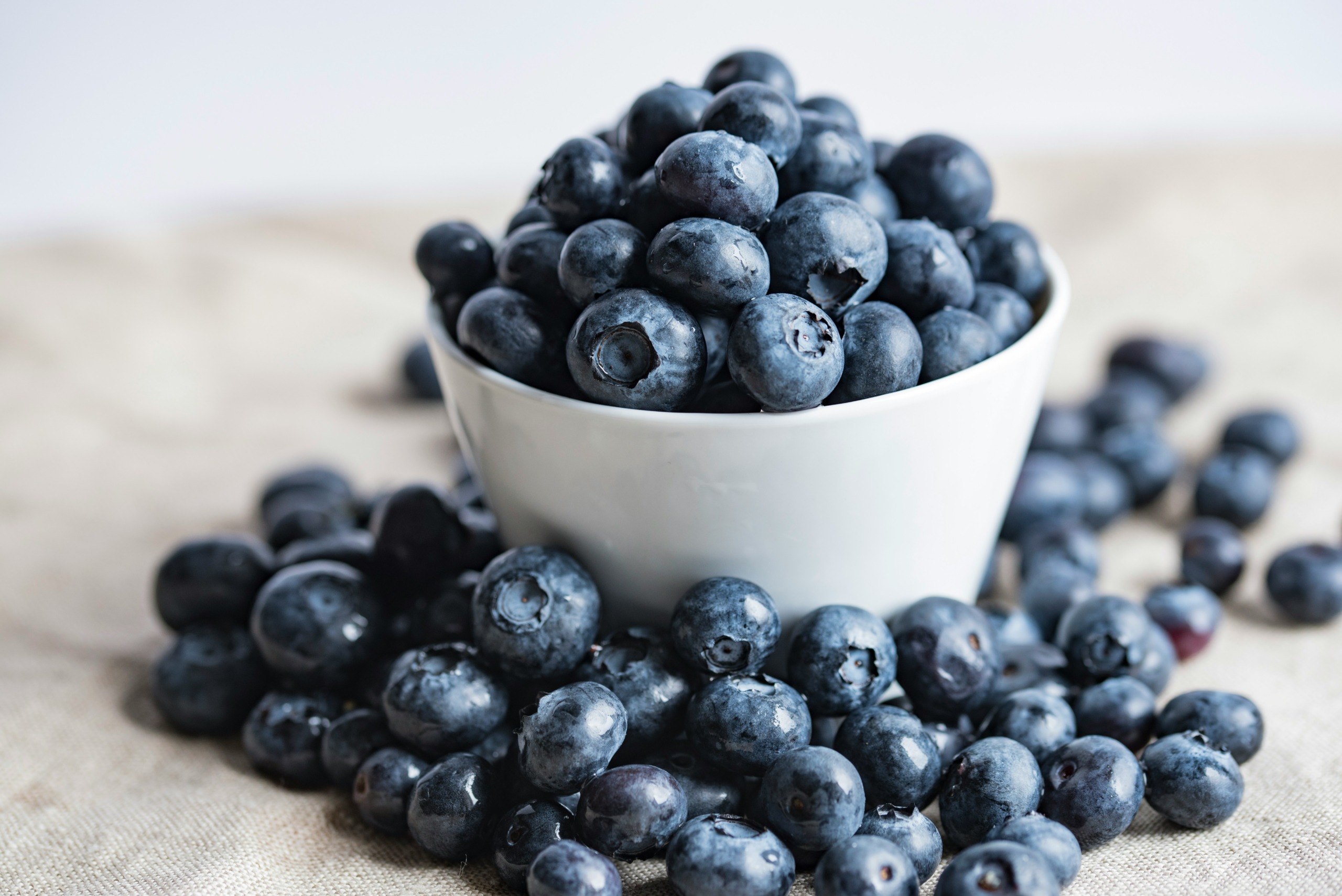
Blueberries are a tiny fruit bursting with health benefits for us humans. However, sometimes what’s good for us isn’t always safe for our dogs. Can dogs eat blueberries? And if so, how many blueberries can you give your dog?
The good news is that yes, dogs can eat blueberries. They’re a safe and healthy treat in moderation, but, as with most human foods, there are some precautions and guidelines to keep in mind. Read below to find out more.
Are blueberries good for dogs?
Unlike grapes, which are toxic to dogs, blueberries can be a healthy, low-calorie snack. They’re packed with antioxidants, fiber, and vitamins C and K, all of which can support your dog’s overall health. Plus, they’re a natural source of hydration, making them a great option for a refreshing treat on a hot day.

How many blueberries can I give my dog?
Blueberries should be treated as an occasional snack and offered in moderation. While they’re healthy, too many can cause an upset stomach or digestive issues, particularly in smaller dogs. If it’s your dog’s first time trying blueberries, start with one and watch for any adverse reactions.
Feeding your dog blueberries
How can I give my dog blueberries?
Sure, there’s the standard fresh blueberry, but the fruit also comes frozen, mashed, dried, as well as mixed in yoghurts, pastries, smoothies, and more. Here are the best ways to feed your dog the blue snack:
- Fresh: Treat your dog to fresh, washed blueberries, free from stems.
- Frozen: Frozen blueberries can be a fun, crunchy, refreshing treat, especially on hot days.
- Mashed: Mash up the blueberries and mix a small amount into your dog’s regular food for a healthy flavor boost.
- Dried: If you have a dehydrator at home, you can make your own dried blueberries for special treats. Just be sure to give your dog a little less than the recommended amount, as dehydrating concentrates the sugars. You can also buy pre-made dried blueberry dog treats.
Can dogs eat blueberries raw?
Yes, dogs can eat blueberries raw. In fact, raw blueberries are a great way to preserve all the natural nutrients. Just make sure to wash them thoroughly and remove any stems.
Can all dogs eat blueberries?
Most dogs can safely enjoy blueberries, but there are a few exceptions to keep in mind:
- Diabetic dogs: While blueberries are lower in sugar than many fruits, dogs with diabetes should only eat them under veterinary guidance due to their natural sugar content.
- Dogs with sensitive stomachs: Some dogs may experience mild digestive upset when first introduced to blueberries. Start with just one or two berries and monitor your dog’s reaction.
- Weaning puppies: Blueberries are suitable for puppies after weaning (~12 weeks +, late growth).
- Dogs with allergies: Though rare, some dogs may be allergic to blueberries. Watch for signs like itching, swelling, or digestive issues.
Can dogs eat blueberry muffins?
No, dogs should not eat blueberry muffins. While the blueberries themselves are safe, muffins contain ingredients that can be harmful to dogs:
- High sugar content can lead to obesity and dental problems
- Artificial sweeteners like xylitol are toxic to dogs
- Butter and oils can cause digestive upset
- Wheat flour may cause issues for dogs with grain sensitivities
Stick to plain, fresh blueberries instead of baked goods or sugary yogurt containing them.
Signs blueberries might not be good for your dog
When introducing blueberries to your dog’s diet, monitor for any adverse reactions:
- Digestive upset (diarrhea, vomiting)
- Excessive gas
- Changes in appetite
- Allergic reactions (itching, swelling, difficulty breathing)
If you notice any of these symptoms, stop giving blueberries and consult your veterinarian.
What fruits are toxic to dogs?
Most fruits are safe for your dog to eat in small quantities. However, pet parents need to be careful of stones, seeds, pits, leaves, and cobs as they can cause problems for dogs.
Fruits such as plums, peaches, cherries, and mangos are OK for dogs but the stones aren’t safe. Remove the middle or cut off a small slice if you wish to give your dog a taste. Other fruits such as apples, pears, and tomatoes are also ok if you remove the seeds and the core.
Avocados aren’t highly toxic to dogs, but the leaves, bark, and skin can lead to vomiting or indigestion as they contain a natural antifungal compound called persin. Avocado is also high in fat so only a little bit of the fruit is recommended and of course, guacamole is a no-no due to the extra ingredients.
Grapes and raisins, as mentioned, should be avoided as they are toxic and cause liver issues but generally, a small piece of fruit is fine for your dog.
Final word
The Dog Food Advisor does not accept money, gifts, samples or other incentives in exchange for special consideration in preparing our reviews.
However, we do receive a referral fee from online retailers (like Chewy or Amazon) and from sellers of perishable pet food when readers click over to their websites from ours. This helps cover the cost of operation of our free blog. Thanks for your support.
For more information, please visit our Disclaimer and Disclosure page.
Article reviewed by
Laura Ward
Pet Nutritionist
Laura studied BSc (Hons) Animal Science with an accreditation in Nutrition at the University of Nottingham, before working for eight years in the pet food and nutrition industry.